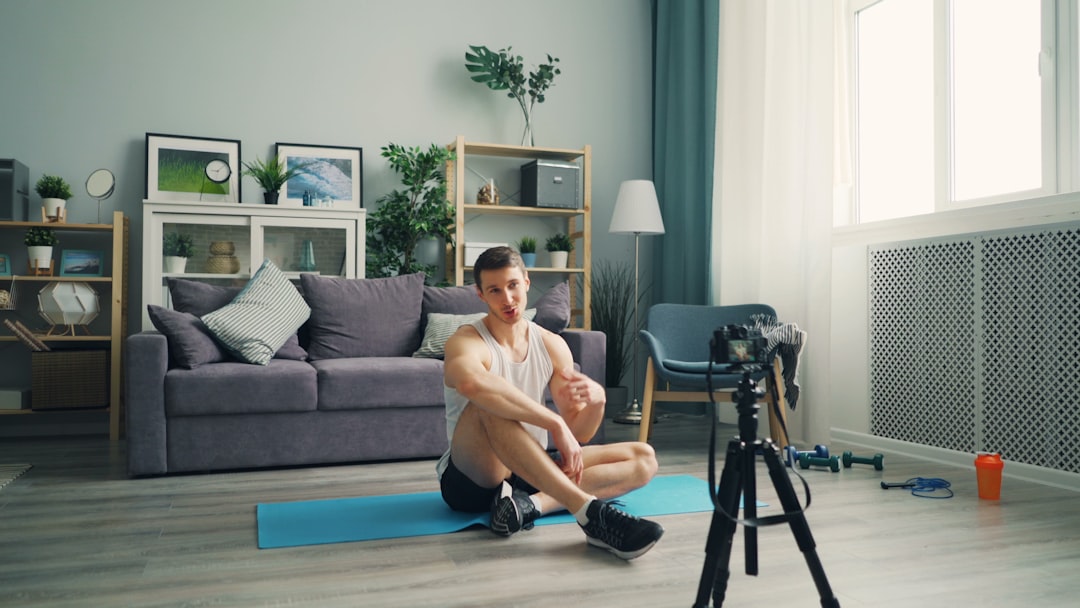
If you are a fitness influencer, online coach, or PT recording workout content from home, bad audio will kill your credibility faster than bad lighting. This Shure SM7B review is based on Shure’s published specifications and current UK pricing rather than personal testing. It explains what the microphone is, what it needs to work, and who it suits. One note up front: the SM7B is an audio product, not a fitness product, and it is only relevant if you record fitness content.
Quick Verdict
| Best For | Fitness influencers, online PTs, podcast hosts, YouTube coaches |
| Avoid If | You have a tight budget or no audio interface to pair it with |
| Price | £409 RRP on Shure UK (checked 5 Oct 2026) |
| Free Trial | No – one-time hardware purchase |
What Is the Shure SM7B?
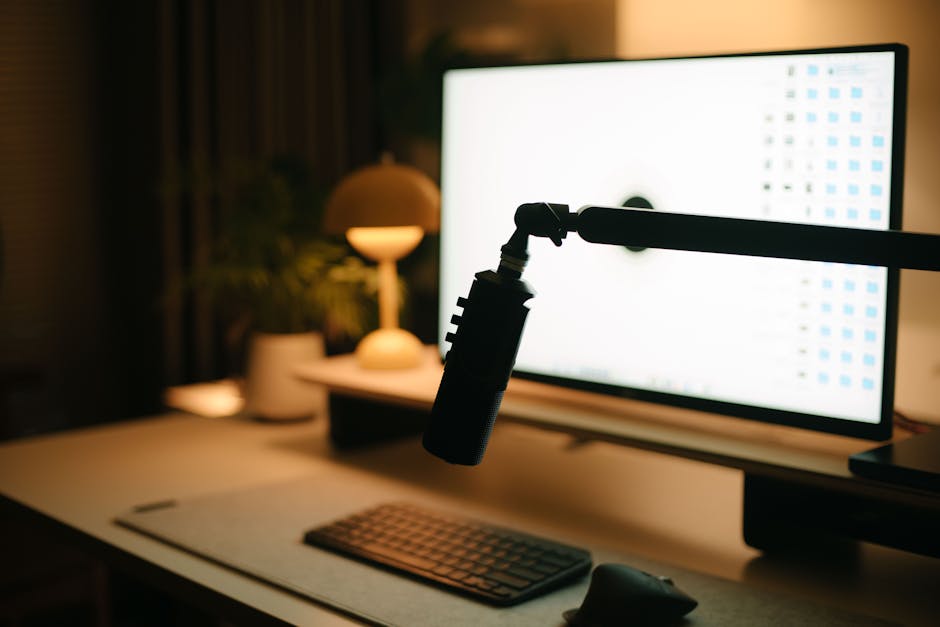
The Shure SM7B is a professional-grade, cardioid dynamic microphone that has been a broadcast and studio staple for decades. Originally designed for radio broadcasting, it has found a second life as the go-to microphone for podcasters, YouTubers, and – increasingly – fitness content creators who want broadcast-quality audio without stepping foot in a professional studio.
Shure’s UK site lists a recommended retail price of £409.00, and the microphone is sold through Shure and audio retailers. Unlike condenser microphones, the SM7B uses a dynamic capsule, which means it is far less sensitive to background noise – a crucial advantage if you are recording in a home gym with a fan humming, weights clanking, or traffic outside your window.
According to Shure’s product page, it has a cardioid polar pattern, internal air suspension shock isolation, a pop filter, a detachable A7WS windscreen, and bass roll-off and mid-range emphasis (presence boost) controls. It requires an XLR connection, meaning you will need an audio interface or mixer to use it – which is the single biggest consideration for new buyers. This is not a plug-and-play USB microphone. It is a serious piece of kit that rewards serious creators.
Key Features
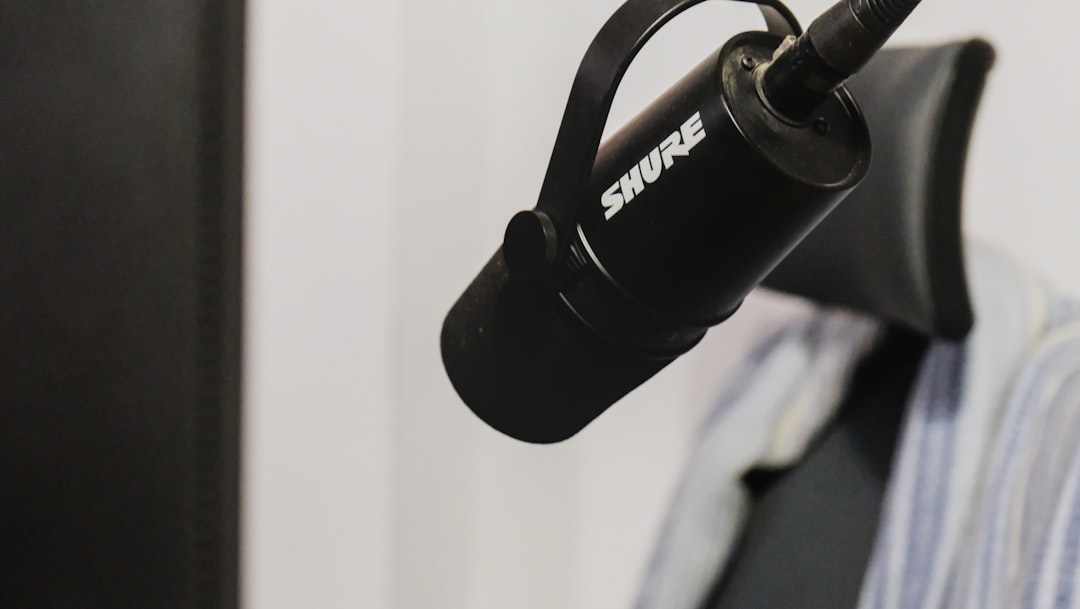
Broadcast-Quality Cardioid Dynamic Capsule
The SM7B’s dynamic capsule is the core of the design, and dynamic microphones are generally less sensitive to room noise than condenser microphones, which matters in a home gym. The cardioid polar pattern focuses on audio directly in front of the mic, which helps reduce off-axis sound such as room noise or equipment in the background.
Built-In Pop Filter and Air Suspension Shock Isolation
Shure has included both a close-talk windscreen (pop filter) and an internal air suspension system that absorbs mechanical noise and handling vibrations. Shure says the air suspension virtually eliminates mechanical noise transmission and that the pop filter removes the need for add-on protection against plosive breath sounds.
Switchable High-Pass Filter and Presence Boost
Two discreet switches on the rear of the microphone give you on-the-fly tonal control. The bass roll-off switch reduces low-frequency rumble, which can help if your recording space has street noise or HVAC vibration. The presence boost adds emphasis in the upper midrange, which Shure positions for vocal clarity.
Durable All-Metal Construction
The SM7B has been a long-running broadcast and studio microphone, and it is a heavy, metal-bodied design that is normally used on a boom arm or stand rather than moved around. We have not tested its durability ourselves.
How Shure SM7B Compares
Cheaper dynamic XLR microphones such as the Rode PodMic, and higher-priced broadcast microphones such as the Electro-Voice RE20, serve the same kind of use. Shure also sells the SM7dB, which adds a built-in preamp. Specifications and prices differ between these models and change over time, so compare current details on each manufacturer’s site before buying.
Pros and Cons
✅ Pros
- Long-established broadcast microphone design
- Cardioid dynamic design that helps reject room noise
- Built-in pop filter and detachable windscreen supplied
- Bass roll-off and presence boost switches work without software
- Metal-bodied broadcast design
❌ Cons
- Requires a separate audio interface – adds cost and complexity
- Very low output gain means budget interfaces may not drive it adequately
- Price point is significant for creators just starting out
- Bulky and heavy – not easily portable between locations
- No USB connectivity limits plug-and-play convenience
Pricing
The Shure SM7B is a one-time hardware purchase with no subscription. Shure’s UK site lists a recommended retail price of £409.00 (checked 5 October 2026), and lists the SM7dB, which has a built-in preamp, at £549.00. Retailer prices vary and change, so check the current price before buying.
The SM7B is an XLR microphone, so you also need an audio interface or mixer with enough clean gain. It is a low-output microphone, and the SM7dB’s built-in preamp exists to avoid the need for a separate inline preamp. Budget for an interface on top of the microphone price.
Check Current Price on Shure UK →
Who Is Shure SM7B Best For?
Perfect For:
- Established fitness influencers and YouTubers who are ready to upgrade from USB microphones and want their audio to match their video production quality.
- Online personal trainers and coaches delivering paid-for programmes, courses, or membership content where audio quality directly reflects professionalism.
- Fitness podcasters who record weekly episodes and want broadcast-standard audio without booking studio time.
- Home gym studio creators who have a dedicated recording space and want a permanent, high-quality setup with consistent results.
- PT business owners creating client-facing educational content such as nutrition tutorials, technique guides, or mindset coaching sessions.
Not Ideal For:
- Beginners on a tight budget – the total cost including an interface is a meaningful investment, and a cheaper dynamic microphone such as the Rode PodMic may be a better place to start.
- Mobile fitness creators who need to record content at different locations – the SM7B is a desk-bound, heavy microphone that is not designed for portability.
- Creators who want plug-and-play simplicity – if you want to connect a microphone directly to a laptop via USB with zero setup, this is not your microphone.
- Outdoor or on-location fitness recording – dynamic microphones still pick up significant ambient noise when used in open environments, and the SM7B is firmly a studio-environment tool.
Our Verdict
Based on Shure’s published specifications, the SM7B is a long-established dynamic broadcast microphone suited to spoken-word recording in untreated rooms. We have not tested it, so we cannot comment on how it sounds in your space. For fitness coaches and influencers who record voice-led content, it is a serious but expensive option.
The single genuine weakness is the ecosystem cost. You cannot simply plug this in and press record. You need an interface, likely a CloudLifter or a high-gain preamp, and the patience to learn basic gain staging. But if you are prepared for that investment – financial and time – it is a capable choice. It is not the right microphone for everyone.
Frequently Asked Questions
Does the Shure SM7B need a preamp or audio interface?
Yes – the SM7B is an XLR microphone and requires a separate audio interface or mixing desk to connect to a computer. It also has a low output level, so many budget interfaces struggle to provide enough clean gain. Many creators add an inline preamp such as the CloudLifter CL-1, or choose the SM7dB, which has a built-in preamp. Check your interface’s gain specification before buying.
Is the Shure SM7B worth it for beginners?
It depends on your budget and ambitions. For absolute beginners, the SM7B represents a significant investment once you factor in the required interface. If you are just starting out, the Rode PodMic or even the Shure MV7 (a USB/XLR hybrid) offer excellent quality at a lower entry cost. The SM7B becomes compelling once you are generating income from your content and want broadcast-grade audio.
What is the difference between the Shure SM7B and the SM7dB?
Shure also sells the SM7dB, which adds a built-in preamp with switchable gain, so a separate inline preamp is not needed. Shure lists it at £549.00 on its UK site, against £409.00 for the SM7B. If you are buying new, compare the two directly.
Can you use the Shure SM7B for live streaming fitness classes?
The cardioid dynamic design is intended to reject off-axis sound, which can suit streaming from a home gym. You will still need an interface with enough clean gain and sensible input levels in your streaming software.
How close do you need to be to the Shure SM7B?
Shure positions the SM7B for close-talk use, so you will normally sit close to it, and a boom arm helps keep the distance consistent. Check Shure’s guidance and adjust to your voice and room.
Still Not Sure? Compare Your Options:
- Why Amazfit GTR 4 Beats Fitbit for Budget Runners – great read if you are also investing in fitness tracking hardware
- My PT Hub: Honest Review from a Real User – perfect companion guide for PTs building their full online coaching toolkit
- Les Mills On Demand Review: Is It Worth It? – useful context if you are evaluating the full ecosystem of digital fitness tools
- TrueCoach Review – a coaching platform for online trainers who also record video content