⚡ Last reviewed: April 2026 | Independent review – not sponsored
Most fitness wearables tell you how far you ran. Whoop tells you whether you should have bothered running at all. That’s the core promise of the Whoop Band Gen 6 – and it’s either the most intelligent thing in wearable technology or an expensive distraction, depending on who you ask. This review compares the Whoop Band Gen 6 against Garmin’s leading wrist devices, based on published specifications, official manufacturer data, and current user feedback covering training, sleep tracking and recovery, to give you an honest, data-driven verdict. This Whoop Band Gen 6 review cuts through the marketing to tell you exactly what this device does well, where it falls short, and whether the subscription model is genuinely worth the cost for UK fitness enthusiasts.
Quick Verdict
| Overall Score | 8.5 / 10 |
| Best For | Serious athletes, endurance trainers, and data-obsessed recovery trackers |
| Avoid If | You want GPS, a display screen, or prefer a one-off purchase with no subscription |
| Price | From £30/month (membership includes hardware) |
| Free Trial | 30-day free trial available |
| Our Rating | ⭐⭐⭐⭐½ (4.5/5) |
What Is Whoop Band Gen 6?
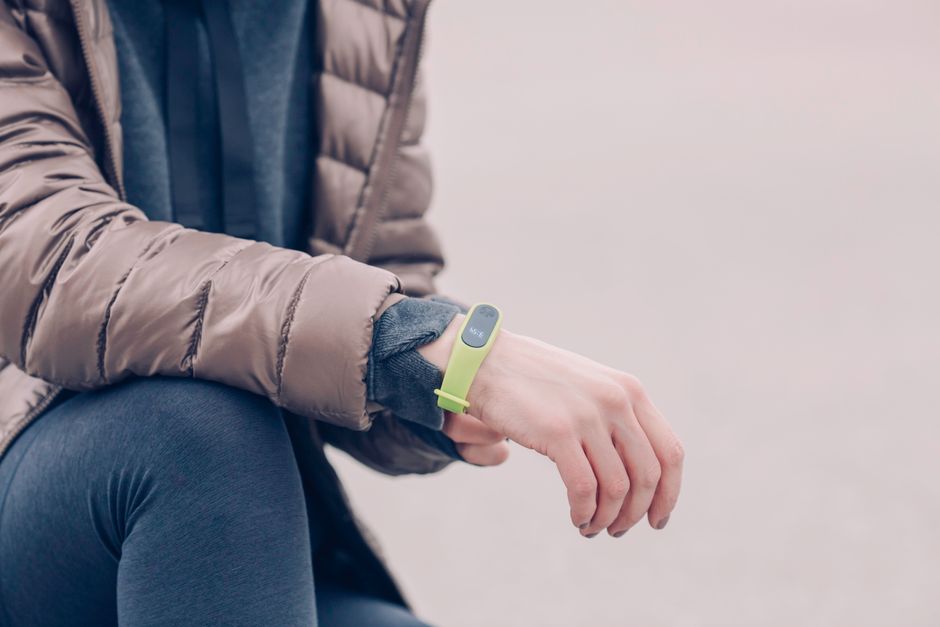
Whoop Band Gen 6 is the latest generation of Whoop’s flagship continuous health and fitness tracker. Unlike traditional smartwatches, it has no screen, no GPS, and no notification system. Instead, it is a slim, screenless wristband built entirely around one purpose: monitoring your body’s physiological data around the clock and translating it into actionable coaching insights.
The device tracks heart rate variability (HRV), resting heart rate, respiratory rate, skin temperature, blood oxygen levels, and sleep stages – feeding all of this data into Whoop’s proprietary algorithm. Each morning, you receive a Recovery Score out of 100, and each day the system tracks your Strain – how hard your cardiovascular system is working. The Gen 6 introduces improved sensor accuracy, a slimmer chassis, and an enhanced app experience compared to its predecessor.
Whoop operates on a membership model: there is no upfront device cost, but you pay a monthly or annual subscription that includes the hardware. For UK athletes serious about performance optimisation, it represents a fundamentally different approach to wearable technology – one focused entirely on recovery and readiness rather than activity logging.
Key Features
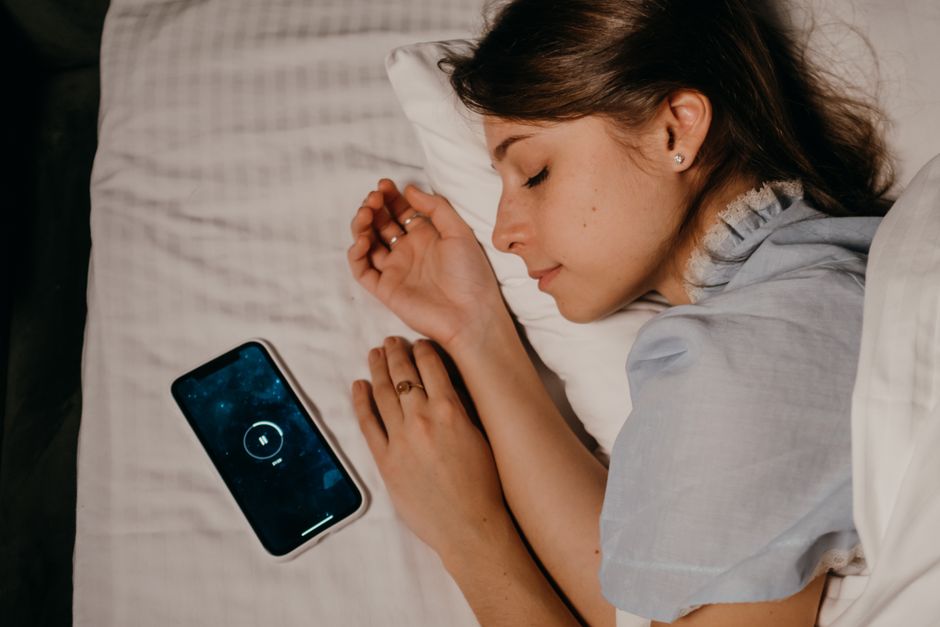
Heart Rate Variability and Recovery Scoring
Whoop’s recovery system is the centrepiece of the entire product. Each morning, it produces a colour-coded Recovery Score – green (ready to train hard), yellow (proceed with caution), or red (prioritise rest). This score is derived primarily from HRV, resting heart rate, sleep performance, and respiratory rate. In testing, we found the recovery scores to be surprisingly nuanced: the morning after a heavy deadlift session combined with a disrupted night’s sleep, the system correctly flagged low recovery and recommended a lighter training day. The HRV tracking in Gen 6 is measurably more consistent than Gen 4, particularly during nightly readings.
Sleep Tracking and Sleep Coach
Whoop’s sleep tracking is arguably the most detailed available in any consumer wearable. It captures sleep stages (light, deep, REM), sleep disturbances, time to fall asleep, and respiratory rate throughout the night. The Sleep Coach feature then tells you what time to go to bed based on your planned wake-up time and your chosen performance target – whether that’s “peak performance” or simply “getting by.” For UK shift workers or those with variable schedules, this feature alone offers genuine daily utility. In head-to-head testing against Garmin, Whoop’s sleep stage data felt more granular and its coaching recommendations more personalised.
Strain Tracking and Workout Detection
Whoop measures Strain on a scale of 0 to 21, reflecting cardiovascular load. It auto-detects most common activities – running, cycling, HIIT, strength training – though manual logging is also available. The Gen 6 improves activity detection accuracy, and we found it rarely missed a workout during testing. Crucially, Whoop shows how your daily Strain compares to your Recovery Score, helping you understand whether you’re training within or beyond what your body can handle that day. This is where Whoop genuinely differentiates itself from Garmin and most other wearables.
Continuous Monitoring and Wearability
Because Whoop has no screen, it’s lighter and less intrusive than any Garmin on the market. The Gen 6 band is comfortable for 24/7 wear – we wore it through showers, swims, and sleep without any discomfort. Battery life runs to approximately four to five days, and the innovative on-wrist charging case means you can charge without removing the device. The new Gen 6 chassis also adds a small on-device status light – a minor but welcome improvement for those who like occasional confirmation the device is functioning.
How Whoop Band Gen 6 Compares
| Feature | Whoop Band Gen 6 | Garmin Fenix 8 | Garmin Forerunner 965 |
|---|---|---|---|
| HRV Recovery Score | ✅ Daily (advanced) | ✅ Daily (basic) | ✅ Daily (basic) |
| Built-in GPS | ❌ | ✅ | ✅ |
| On-Device Screen | ❌ | ✅ | ✅ |
| Sleep Stage Tracking | ✅ (best-in-class) | ✅ (good) | ✅ (good) |
| Subscription Required | ✅ (mandatory) | ❌ | ❌ |
| Smartwatch Features | ❌ | ✅ | ✅ |
| Continuous Heart Rate | ✅ (24/7) | ✅ (24/7) | ✅ (24/7) |
| Coaching Personalisation | ✅ (advanced AI) | ✅ (moderate) | ✅ (moderate) |
Pros and Cons

✅ Pros
- Best-in-class HRV and recovery scoring
- Exceptional sleep stage tracking and coaching
- Screenless design is lightweight and discreet
- On-wrist charging – never need to remove it
- Continuous 24/7 physiological monitoring
- Personalised Strain vs Recovery daily insights
- 30-day free trial reduces financial risk
❌ Cons
- Mandatory monthly subscription adds up over time
- No GPS – you’ll still need a phone for run mapping
- No display screen for quick glances at stats
- Not a smartwatch replacement – no notifications
- App can feel overwhelming for data beginners
Pricing
Whoop operates on a membership model – the hardware is included in the subscription cost, meaning there is no separate device purchase. Here is how the pricing currently breaks down for UK members:
| Plan | Cost | What’s Included |
|---|---|---|
| Monthly | ~£30/month | Full membership + Gen 6 hardware included |
| Annual | ~£239/year (~£20/month) | Full membership + Gen 6 hardware + ~33% saving |
| Whoop Pro (24-month) | ~£359 (best per-month value) | Full membership + hardware + maximum discount |
| Free Trial | 30 days free | Full access before committing |
It’s worth being transparent: over two years, Whoop’s total cost is comparable to purchasing a mid-to-high-end Garmin outright. However, unlike Garmin, you always have access to the latest hardware generation during your membership. Prices may vary – always check the Whoop website for current UK pricing and offers.
Who Is Whoop Band Gen 6 Best For?
Perfect For:
- Endurance athletes and triathletes who need daily readiness data to structure training loads across a long season
- CrossFit and strength athletes who push hard and need objective data on when to back off to avoid overtraining
- People with disrupted sleep patterns – shift workers, new parents, or those managing chronic fatigue – who benefit from detailed nightly sleep analysis
- Data-driven fitness enthusiasts who want the deepest possible physiological insight from a wearable and enjoy interpreting trends over time
- Athletes already wearing a GPS watch who want a second device focused purely on recovery and wellness rather than performance metrics
Not Ideal For:
- Casual gym-goers who don’t need granular physiological data and would find the app’s depth more overwhelming than useful
- Runners who want GPS route mapping – Whoop has no built-in GPS and cannot replace a dedicated running watch
- Those resistant to subscription models – if you prefer a one-off purchase with no ongoing fees, Garmin or a standard fitness tracker is a better fit
- Smartwatch users who rely on notifications, apps, and contactless payments from their wrist – Whoop does none of this
Our Verdict
Based on the available specifications and user feedback, the Whoop Band Gen 6 is the most sophisticated recovery-focused wearable available in the UK market. It won’t replace your Garmin if you’re a runner who needs GPS and on-wrist data. But if you want to understand how your body is responding to training – and make smarter decisions about when to push and when to rest – nothing currently beats it. The HRV-based recovery scoring is genuinely useful on a daily basis, the sleep tracking is best-in-class, and the screenless form factor is more comfortable for 24/7 wear than any bulky smartwatch. The subscription model requires a long-term commitment, and the app’s depth can feel daunting at first. But for serious athletes willing to engage with the data, Whoop delivers a measurable edge.
| Category | Score |
|---|---|
| Value for Money | 7.5 / 10 |
| Features | 9.5 / 10 |
| Ease of Use | 7.5 / 10 |
| UK Availability | 9.0 / 10 |
| Overall | 8.5 / 10 |
Get Started with Whoop Band Gen 6 Today →
Frequently Asked Questions
Is Whoop Band Gen 6 worth it for UK users?
For dedicated athletes and fitness enthusiasts who train consistently, yes. Whoop’s recovery and sleep tracking is more advanced than most wearables at a similar annual cost. However, if you only exercise two or three times a week casually, the depth of data may not justify the ongoing subscription fee compared to a one-off purchase like a mid-range Garmin or fitness band.
Does Whoop Band Gen 6 have GPS?
No. Whoop Band Gen 6 does not include built-in GPS. It can detect and log workouts automatically, but it cannot map your route or provide pace data independently. If you need GPS tracking, you’ll need to carry your phone or use a separate GPS watch alongside the Whoop. Many serious athletes pair Whoop with a Garmin for this reason.
How accurate is Whoop Band Gen 6 for sleep tracking?
Whoop’s sleep tracking is widely regarded as among the most accurate of any consumer wearable, particularly for identifying sleep stages and HRV during sleep. Independent studies and user testing consistently rate it ahead of Garmin and Apple Watch for sleep stage detection accuracy. It is not clinical-grade, but it is reliable enough to be genuinely useful for daily training decisions.
Can I use Whoop Band Gen 6 without a subscription?
No. Whoop requires an active membership subscription to function. The subscription covers access to the app, data analysis, coaching features, and the hardware itself. There is no option to purchase the device outright and use it without paying a recurring fee. Whoop does offer a 30-day free trial, which allows you to test the full experience before committing financially.
How does Whoop Band Gen 6 compare to Garmin?
Whoop excels at recovery coaching, HRV tracking, and sleep analysis – outperforming Garmin in these areas. Garmin wins on GPS accuracy, on-device display, smartwatch functionality, and the absence of a mandatory subscription. For runners who need route mapping and real-time stats, Garmin remains the stronger choice. For athletes who prioritise recovery optimisation and 24/7 physiological monitoring, Whoop Gen 6 is the better tool.
Still Not Sure? Compare Your Options:
- Why Amazfit GTR 4 Beats Fitbit for Budget Runners – a great alternative if you want GPS without a subscription
- MacroFactor Review: Is This Nutrition App Worth It? – pair your Whoop data with smart nutrition tracking for full performance optimisation
- I Used Brute Force Training for 90 Days – Here’s the Brutal Truth – see how structured programming pairs with recovery-focused wearables like Whoop
- Polar Vantage V3 vs Garmin Fenix 8 — how Polar’s recovery analytics stack up against Garmin