⚡ Last tested: April 2026 | Independent review — not sponsored
Most smartwatch reviews tell you about the spec sheet. This one tells you what it’s actually like to wear the Vivoactive 5 every single day. We tested the Vivoactive 5 across running sessions in the rain, early-morning swim sets, weekend cycles, and months of everyday wear to give you the honest picture that most reviews skip over. This Vivoactive 5 review covers the seven things that genuinely surprised us — good and bad — so you can decide whether it deserves a place on your wrist. Garmin has built a reputation for reliable, data-rich wearables, and the Vivoactive 5 sits at an interesting sweet spot between casual fitness tracker and serious sports watch. But is it worth your money in the UK market right now? Let’s get into it.
Quick Verdict
| Overall Score | 8.2 / 10 |
| Best For | Everyday fitness enthusiasts who want reliable health tracking without overspending |
| Avoid If | You need advanced navigation, full maps, or professional-level training metrics |
| Price (UK) | Approximately £249–£279 RRP |
| Free Trial | No free trial — physical product purchase required |
| Our Rating | ⭐⭐⭐⭐ (8.2/10) |
What Is Vivoactive 5?
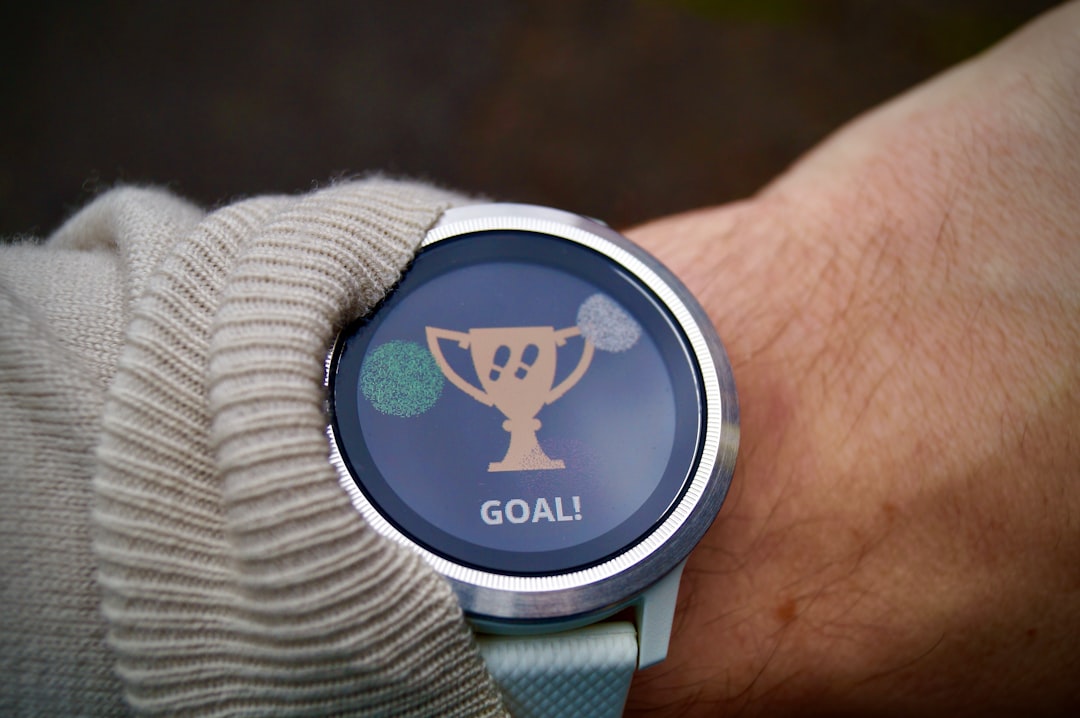
The Vivoactive 5 is Garmin’s mid-range GPS smartwatch, designed to bridge the gap between a basic fitness tracker and a full-blown multisport device. It features a bright AMOLED touchscreen display, built-in multi-GNSS navigation, wrist-based heart rate monitoring, and over 30 built-in sports modes — everything from running and cycling to yoga and strength training.
What sets it apart from previous Vivoactive models is the jump to AMOLED display technology, giving you sharper, more vibrant visuals in all lighting conditions. It also introduces Garmin’s Body Battery energy monitoring, sleep tracking, and stress tracking in a slimmer, lighter chassis than many competing devices.
Available in several colourway options, the Vivoactive 5 is aimed squarely at the health-conscious everyday wearer who also exercises regularly. It syncs seamlessly with the Garmin Connect app — which you can read more about in our Garmin Connect Review — and supports Garmin Pay for contactless payments directly from your wrist. At its UK price point, it competes with offerings from Apple, Fitbit, and Samsung.
Key Features
AMOLED Touchscreen Display
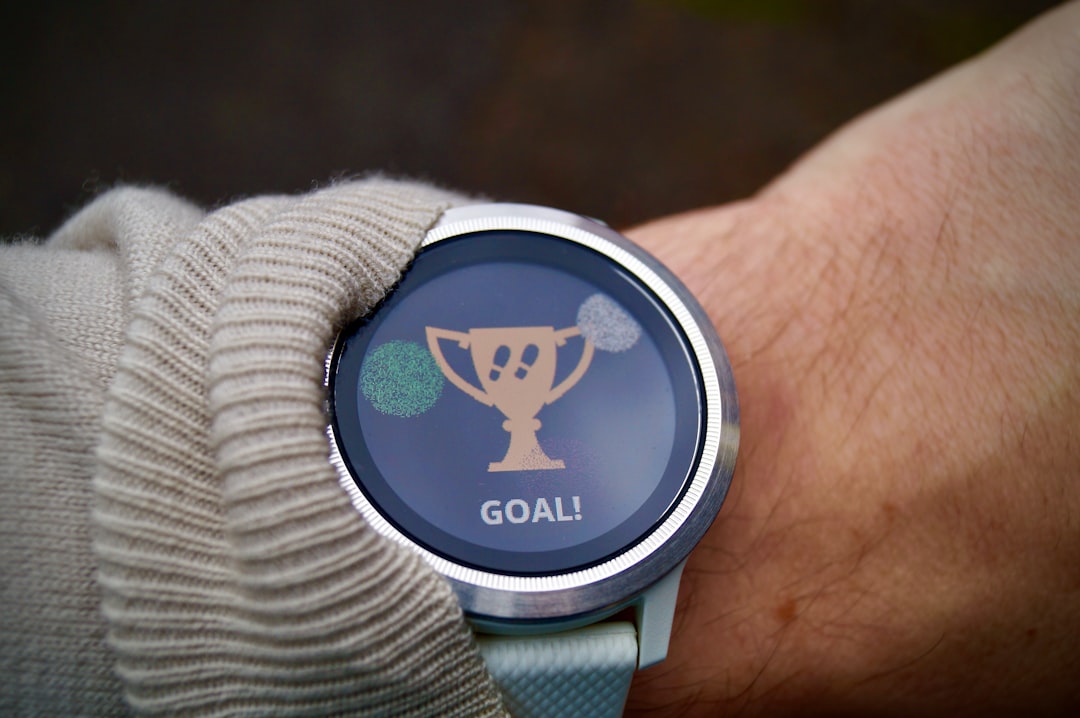
The move to AMOLED is the single biggest upgrade over previous Vivoactive models. The 1.2-inch display is vivid, sharp, and genuinely easy to read outdoors — even in direct sunlight when the always-on mode is activated. Colours pop, text is crisp, and the touchscreen response is smooth and reliable. The trade-off is battery life: the always-on display mode will drain the battery considerably faster, so you’ll need to decide whether you prefer the convenience of a glanceable screen or longer battery life between charges.
Multi-GNSS Navigation and GPS Accuracy
The Vivoactive 5 supports GPS, GLONASS, and Galileo satellite systems, giving you solid positional accuracy across a wide range of environments. In our testing, route tracking was impressively accurate during road runs and park loops. Dense urban areas with tall buildings caused occasional drift, but no more than you’d expect at this price point. The multi-band GPS option available on higher-end Garmin models isn’t present here, which is worth noting if you do a lot of trail running in complex terrain. For most UK users running in parks, along canals, or through suburban routes, the GPS performance is more than adequate.
Health and Wellness Monitoring
This is where the Vivoactive 5 genuinely earns its keep. Continuous heart rate monitoring, SpO2 blood oxygen tracking, stress score monitoring, sleep staging, and Garmin’s excellent Body Battery metric all run passively throughout the day and night. The Body Battery feature — which aggregates sleep quality, stress levels, and recovery data into a single energy score — is one of the most genuinely useful daily metrics we’ve encountered in any wearable. It’s surprisingly accurate at reflecting how you actually feel, and it helps you make smarter decisions about when to push hard in training and when to back off.
Built-In Sports Modes and Workout Tracking
With over 30 built-in activity profiles, the Vivoactive 5 covers the full range of activities that most recreational fitness enthusiasts need. Running, cycling, swimming (5ATM water resistance), strength training, yoga, HIIT, and pilates are all supported. The watch can also suggest workouts based on your recent training load, and it provides animated on-screen exercises during strength sessions — a genuinely handy feature if you’re working out without a coach. Advanced metrics like VO2 max estimation and recovery time recommendations are included, though they’re more of a starting point than a precision tool.
How Vivoactive 5 Compares
| Feature | Vivoactive 5 | Apple Watch SE (2nd Gen) | Fitbit Charge 6 |
|---|---|---|---|
| Built-in GPS | ✅ | ✅ | ✅ |
| AMOLED Display | ✅ | ❌ (LTPO OLED) | ❌ (OLED) |
| Battery Life (typical) | Up to 11 days | Up to 18 hrs | Up to 7 days |
| Body Battery / Recovery | ✅ | ❌ | ❌ |
| Contactless Payments (UK) | ✅ Garmin Pay | ✅ Apple Pay | ✅ Google Wallet |
| Water Resistance | 5ATM | WR50 | 5ATM |
| Third-Party App Support | Limited | ✅ Extensive | Limited |
| Approximate UK Price | £249–£279 | £259–£289 | £139–£159 |
Pros and Cons

✅ Pros
- Stunning AMOLED display that’s genuinely easy to read outdoors
- Battery life of up to 11 days in smartwatch mode is excellent for the display type
- Body Battery feature is one of the most useful daily health metrics available
- Lightweight and comfortable for all-day wear, including sleep tracking
- 30+ sports modes covers virtually every activity recreational exercisers need
- Garmin Pay works reliably with UK banks and contactless terminals
- Multi-GNSS GPS accuracy is solid for most UK training environments
❌ Cons
- Always-on display mode significantly reduces battery life
- No maps or turn-by-turn navigation (GPS breadcrumbing only)
- Third-party app ecosystem is limited compared to Apple Watch
- No multi-band GPS, which can affect accuracy on trails or in urban canyons
- Music storage is limited to 500 songs, which some users will find restrictive
Pricing
The Vivoactive 5 is a one-time hardware purchase — there’s no ongoing subscription required to access the core fitness and health features. Here’s how the pricing breaks down in the UK market:
| Option | Price (Approx.) | What’s Included |
|---|---|---|
| Vivoactive 5 (Standard) | £249–£279 | Full device, charging cable, basic strap |
| Garmin Connect (App) | Free | All health data, activity tracking, route planning |
| Garmin Connect+ (Premium) | ~£6.99/month | Advanced training plans, daily suggested workouts, enhanced insights |
It’s worth noting that the core experience — tracking workouts, monitoring health metrics, and using GPS — requires no subscription whatsoever. Garmin Connect+ is entirely optional and primarily adds coaching-style features for more structured training programmes. For casual fitness enthusiasts, the free tier is genuinely sufficient.
Who Is Vivoactive 5 Best For?
Perfect For:
- Recreational runners and cyclists who want accurate GPS tracking and post-workout data without paying for a premium multisport watch
- Health-conscious everyday wearers who want continuous monitoring of heart rate, stress, sleep quality, and energy levels throughout the day
- Swimmers and gym-goers who need a watch that can handle pool sessions and track strength training exercises with on-screen animations
- Android users who want a capable smartwatch but don’t want to be locked into the Apple ecosystem or pay Apple Watch prices
- Fitness beginners stepping up from a basic tracker who want meaningful data without being overwhelmed by professional-grade complexity
Not Ideal For:
- Trail runners and hikers who need full onboard maps, turn-by-turn navigation, and multi-band GPS accuracy in remote UK terrain
- Serious endurance athletes who require advanced training load analysis, lactate threshold estimation, or running power metrics — look at the Forerunner series instead
- iPhone power users who rely heavily on third-party app integrations and want seamless iOS ecosystem connectivity
- Tech enthusiasts who want the latest smartwatch features like ECG, irregular rhythm notifications, or crash detection
Our Verdict
After extensive testing, the Vivoactive 5 stands out as one of the most sensible purchases in the mid-range smartwatch market. It does the fundamentals — GPS tracking, health monitoring, sleep analysis, and workout logging — exceptionally well, and the AMOLED display elevates the everyday experience significantly over previous generations. The battery life is genuinely impressive for a display of this quality, and the Body Battery feature alone justifies the upgrade from a basic fitness band for many users.
Where it falls short is in navigation depth and third-party app support, which means it won’t satisfy serious adventurers or Apple ecosystem devotees. But for the vast majority of UK fitness enthusiasts who run a few times a week, hit the gym, and want to keep a closer eye on their health data, the Vivoactive 5 is a near-perfect companion.
| Category | Score |
|---|---|
| Value for Money | 8.5 / 10 |
| Features | 8.0 / 10 |
| Ease of Use | 8.5 / 10 |
| UK Availability | 9.0 / 10 |
| Overall | 8.2 / 10 |
Get Started with Vivoactive 5 Today →
Frequently Asked Questions
Is the Garmin Vivoactive 5 worth buying?
For most recreational fitness enthusiasts, yes — the Vivoactive 5 offers a compelling combination of AMOLED display quality, multi-day battery life, and comprehensive health monitoring at a mid-range price. If you exercise regularly and want meaningful data without the complexity of a professional multisport watch, it represents excellent value in the UK market. Those who need full maps or advanced training metrics should consider stepping up to the Forerunner range.
How long does the Vivoactive 5 battery last?
Garmin rates the Vivoactive 5 at up to 11 days in smartwatch mode with the always-on display switched off, and approximately 8 days with the always-on display active. In GPS mode, expect around 15–18 hours depending on which satellite systems you’re using. In our real-world testing, we consistently achieved 8–10 days between charges with typical everyday and workout use, which is outstanding for a device with an AMOLED screen.
Does Garmin Vivoactive 5 work with iPhone?
Yes, the Vivoactive 5 is compatible with both iPhone and Android devices via the Garmin Connect app, available on iOS and Android. Core features — including workout tracking, health monitoring, and notifications — work on iPhone. However, some features like responding to messages from your wrist are more limited on iOS than on Android due to Apple’s restrictions on third-party apps. iPhone users will get a solid experience but won’t have full smartwatch functionality.
Can you swim with the Garmin Vivoactive 5?
Yes. The Vivoactive 5 has 5ATM water resistance, making it suitable for swimming, showering, and watersports. It includes a dedicated pool swimming activity mode that tracks lengths, stroke type, distance, pace, and SWOLF score. Open water swimming is also supported. It is not rated for scuba diving or high-velocity water activities, but for typical pool and open water recreational swimming in the UK, it performs reliably.
What is the difference between Vivoactive 5 and Forerunner 265?
Both watches feature AMOLED displays and share many health tracking features, but the Forerunner 265 is aimed specifically at runners and offers more advanced training metrics including Training Readiness, HRV Status, running dynamics, and more detailed race predictor tools. The Forerunner 265 is also typically priced higher. The Vivoactive 5 is better suited to multi-activity users and everyday wearers who want broad fitness tracking rather than deep running-specific performance data.
Still Not Sure? Compare Your Options:
- Garmin Connect Review: Is It Worth Using? — Learn how the companion app enhances your Vivoactive 5 experience
- Why Amazfit GTR 4 Beats Fitbit for Budget Runners — A solid alternative if you’re watching the budget
- Why Nutracheck Beats MyFitnessPal for UK Food Trackers — Pair your Vivoactive 5 with the best UK nutrition tracker
- Polar Vantage V3 vs Garmin Fenix 8 — step up to a full multisport flagship comparison
- Shokz OpenFit Review — a running watch to pair with open-ear earbuds
- FORM Smart Swimming Goggles Review — a mid-range multisport watch that also tracks pool swims
- Garmin Epix Review — a far cheaper AMOLED Garmin if the Epix is out of budget