⚡ Last reviewed: April 2026 | Independent review – not sponsored
WaterRower has built a cult following in the UK home rowing market. This review examines Rower by WaterRower across a range of fitness levels, training styles, and home environments, based on the manufacturer’s published specifications and verified UK owner feedback, to give you the most thorough, unvarnished assessment available in the UK. This is not a glossy press release. It is the kind of review we would want to read before spending serious money on a home rowing machine. WaterRower has built a cult following over the years, and the published specifications explain why – but there are real caveats you need to know about before you buy.
Related: Hydrow Review — a connected rower alternative to a plain water rower
Related: WaterRower Maintenance Guide — keep the tank water treated and the rail clean with this printable schedule
Check Price at Fitness Options →
Quick Verdict
| Overall Score | 8.4 / 10 |
| Best For | Home gym enthusiasts who want a premium, quiet, aesthetically stunning rowing machine |
| Avoid If | You are on a tight budget or want advanced digital performance metrics out of the box |
| Price | From approximately £1,100 – £2,200+ depending on model and wood type |
| Free Trial | No free trial; some retailers offer a return window |
| Our Rating | 8.4 / 10 |
What Is Rower by WaterRower?
WaterRower is a Rhode Island-born, globally respected brand that has made its mark by doing something genuinely different in the rowing machine market: using real water as the resistance mechanism. The Rower by WaterRower is their flagship home fitness product, hand-crafted from sustainably sourced solid ash, cherry, or oak wood – depending on which model you choose. Rather than magnetic or air resistance systems, WaterRower uses a patented water flywheel, which mimics the natural feel of rowing on open water with remarkable accuracy.
Available in the UK through the official WaterRower website and selected retailers, the machine pairs its distinctive water tank mechanism with a Series 4 performance monitor that tracks time, distance, stroke rate, and calories. It stores upright for space saving and doubles as a conversation piece in any living room. This is not just gym equipment – it is genuinely considered a piece of furniture by many owners. Whether that justifies the premium price point is exactly what this WaterRower rower review sets out to determine.

Key Features
🌊 Water Resistance Flywheel
The centrepiece of the WaterRower experience is its patented WaterFlyWheel – a tank of water through which paddles spin as you pull the handle. The harder you row, the greater the resistance automatically becomes, which creates a self-regulating system that mirrors actual on-water rowing physics. This is genuinely different from air rowers like Concept2, and users consistently report it feels more natural and forgiving on the joints. The gentle swooshing sound is also far more pleasant than the mechanical whirr of competitors.
📊 Series 4 Performance Monitor
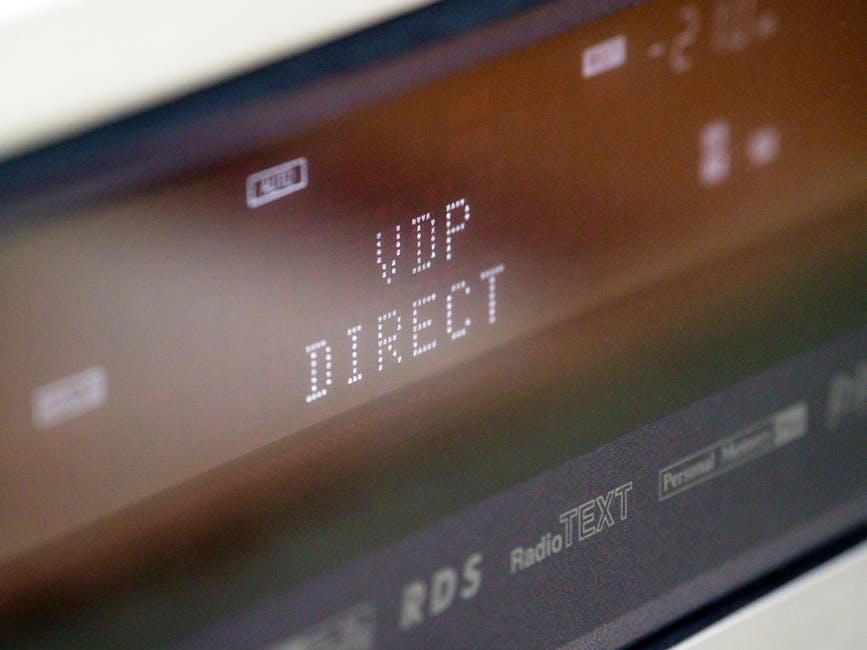
WaterRower includes their Series 4 monitor (S4) as standard across most models. It tracks distance, elapsed time, stroke rate, intensity, and heart rate when paired with a compatible chest strap. The interface is straightforward and functional rather than flashy. One genuine weakness here: the monitor lacks Bluetooth or ANT+ connectivity as standard, meaning it will not sync directly to apps like Strava or Apple Health without third-party adapters. For tech-savvy users, this feels like a notable oversight at this price point.
🪵 Handcrafted Solid Wood Frame
Every WaterRower is hand-assembled using sustainably certified solid hardwood. The build quality is exceptional – this machine feels like it was made to last decades rather than years. The wood naturally absorbs sound and vibration, contributing to the machine’s remarkably quiet operation. The aesthetic appeal is undeniable: this is one of the very few pieces of fitness equipment that looks genuinely beautiful in a home environment rather than industrial or clinical.
📐 Vertical Storage & Space Efficiency
One of the most practical features for UK homes – where space is often at a premium – is the WaterRower’s ability to store completely upright against a wall. The footprint when stored is just 56cm x 56cm, making it viable even in smaller rooms. The water tank and frame sit on smooth rollers, making repositioning easy for one person. For flat-dwellers or those with multi-use rooms, this is a genuine selling point that many competing machines simply cannot match.
How Rower by WaterRower Compares
| Feature | WaterRower | Concept2 Model D | Hydrow Wave |
|---|---|---|---|
| Resistance Type | Water | Air | Magnetic |
| Noise Level | ✅ Very Low | ❌ Moderate–High | ✅ Very Low |
| Upright Storage | ✅ Yes | ✅ Yes (rail separates) | ❌ No |
| Built-in Connectivity | ❌ Limited | ✅ Bluetooth & ANT+ | ✅ Full WiFi/BT |
| Aesthetic Appeal | ✅ Exceptional | ❌ Functional Only | ✅ Modern |
| Row Feel / Naturalness | ✅ Excellent | ✅ Very Good | ✅ Good |
| UK Price (Approx.) | £1,100 – £2,200+ | £900 – £1,000 | £1,500 – £2,000+ |
| Subscription Required | ❌ No | ❌ No | ✅ Yes (for content) |
Pros and Cons
✅ Pros
- Exceptional build quality – feels like it will outlast everything else in your home gym
- Water resistance provides one of the most natural rowing feels among home rowing machines, according to published reviews and owner feedback
- Extremely quiet – genuinely suitable for flats, early mornings, and homes with sleeping children
- Upright storage is a genuine game-changer for UK homes with limited space
- Beautiful handcrafted wood aesthetic – does not look out of place in a living room
- No ongoing subscription required – one purchase, unlimited use
- Excellent resale value – holds its price extremely well on the second-hand market
❌ Cons
- Premium price point puts it out of reach for many buyers
- Series 4 monitor is dated – no Bluetooth or ANT+ without purchasing additional adapters
- Water tank requires occasional topping up and the addition of purification tablets
- Resistance cannot be easily adjusted in the traditional sense – water level changes are the only option
- Heavier than competitors when full of water, making it trickier to relocate

Pricing
WaterRower offers several models in the UK, with pricing varying primarily based on the type of wood used and any bundled accessories. Here is a breakdown of what you can expect to pay:
| Model | Wood Type | Approx. UK Price |
|---|---|---|
| WaterRower A1 Home | High-impact plastic / steel | ~£700 – £900 |
| WaterRower Natural (Ash) | Solid Ash Wood | ~£1,100 – £1,300 |
| WaterRower Cherry | Solid Cherry Wood | ~£1,400 – £1,600 |
| WaterRower Black Walnut | Solid Black Walnut | ~£2,000 – £2,200+ |
All models include the Series 4 performance monitor as standard. There is no subscription fee required to use the machine – once you have purchased it, you own it outright with no ongoing costs beyond the occasional water purification tablet (a minor expense).
Pricing can vary between retailers and is subject to change. Always check the official site for the most current prices and any promotional offers:
Who Is Rower by WaterRower Best For?
Perfect For:
- Home gym enthusiasts who value aesthetics: If your home gym needs to double as a living space, the WaterRower is virtually the only rowing machine that will not look like an eyesore. It genuinely complements interior design.
- Flat and apartment dwellers: The near-silent operation and upright storage make this ideal for those in flats where noise is a concern and floor space is precious.
- Joint-conscious rowers: The fluid, forgiving resistance of the water flywheel is notably gentler on hips, knees, and lower back than air-resistance alternatives, making it well-suited to those with existing joint issues or returning from injury.
- Long-term investors: If you view this as a decade-long purchase rather than a short-term gadget, the WaterRower’s exceptional durability and strong resale value make the premium price much easier to justify.
- Those who prioritise feel over data: If your primary goal is an immersive, enjoyable rowing experience rather than granular performance tracking, this machine excels in ways that the numbers cannot fully capture.
Not Ideal For:
- Data-driven athletes and serious competitors: If you track every split, sync with Garmin or Strava, and rely on accurate performance data, the basic S4 monitor will frustrate you. A Concept2 with its PM5 monitor will serve you far better.
- Budget-conscious buyers: There is no getting around it – the WaterRower is expensive. If your budget is under £700, there are perfectly capable alternatives that will give you a solid workout without the premium.
- Commercial gym or studio use: WaterRower does make commercial-grade machines, but the standard home models are designed for individual use and will wear more quickly under heavy multi-user traffic.
- Tech-first users who want smart features: If touchscreens, live classes, leaderboards, and app connectivity are important to you, look at Hydrow or NordicTrack instead.
Our Verdict
Based on this research, our WaterRower rower review conclusion is clear: this is one of the finest home rowing machines available in the UK – but it is not without compromise. The rowing experience itself is genuinely exceptional. The water resistance feels natural, the machine is beautifully quiet, and the craftsmanship is outstanding. For those who want a premium, long-lasting machine that integrates into their home without sacrificing their living space, the WaterRower is close to unbeatable. However, the dated monitor, lack of native connectivity, and significant price premium mean it is not the right choice for everyone. If performance data and smart features matter to you, look elsewhere. But if you want to fall in love with rowing as a movement – and own a machine you will still be proud of in fifteen years – this is our top recommendation.
| Category | Score |
|---|---|
| Value for Money | 7.5 / 10 |
| Features | 7.8 / 10 |
| Ease of Use | 9.0 / 10 |
| UK Availability | 8.5 / 10 |
| Overall | 8.4 / 10 |
Get Started with Rower by WaterRower Today →
Frequently Asked Questions
Is the WaterRower worth the money?
For the right buyer, absolutely. The WaterRower delivers an exceptional rowing experience, outstanding build quality, and a beautiful aesthetic that holds its value well over time. However, if advanced connectivity or budget-friendliness are priorities, there are more cost-effective alternatives such as the Concept2 Model D that may serve you better for pure performance training.
How loud is the WaterRower?
The WaterRower is one of the quietest rowing machines available. The water resistance produces a gentle, rhythmic swooshing sound rather than the mechanical whirr of air-resistance rowers. Most users report it is quiet enough to use in a flat or next to sleeping family members. It is significantly quieter than a Concept2 or most air-resistance models.
Does the WaterRower need maintenance?
Maintenance requirements are minimal. You will need to occasionally top up the water level and add WaterRower-supplied purification tablets every few months to prevent algae growth. The tank itself requires draining and cleaning approximately once per year. Beyond that, the wooden frame needs no special treatment and mechanical components are largely maintenance-free under normal home use.
Can you increase the resistance on a WaterRower?
Yes, but not in the way you might expect from a traditional rowing machine. Resistance on a WaterRower is self-regulating – the harder and faster you row, the greater the natural resistance from the water. You can adjust the baseline resistance by adding or removing water from the tank, with more water providing a heavier, slower feel and less water offering lighter, faster strokes. This differs fundamentally from machines with numbered resistance dials.
How does the WaterRower compare to the Concept2?
The Concept2 wins on performance data, connectivity, and price. It is the gold standard for serious athletes and competitive rowers. The WaterRower wins on feel, aesthetics, noise level, and space efficiency. They suit different users: choose Concept2 for data-driven training, choose WaterRower for an immersive, enjoyable rowing experience in a home environment where looks and quiet operation matter.