⚡ Last tested: April 2026 | Independent review — not sponsored
If you’ve been searching for a fitness app that actually adapts to you rather than forcing you into a one-size-fits-all programme, Ultra has almost certainly crossed your radar. We tested Ultra over several weeks of genuine, day-to-day use — logging meals, completing coached workouts, and stress-testing its AI features — to give you the most thorough Ultra review available. What we found was a genuinely impressive platform with a few rough edges worth knowing about before you commit. Here’s the full picture, from a UK fitness testing team with no commercial ties to the brand.
Quick Verdict
| Overall Score | 8.4 / 10 |
| Best For | Runners and endurance athletes wanting AI-driven nutrition and training in one place |
| Avoid If | You want dedicated strength-training periodisation or gym-floor weight tracking |
| Price | Subscription-based — free tier available, premium plans from ~£14.99/month |
| Free Trial | Yes — free plan with core features included |
| Our Rating | ⭐⭐⭐⭐½ (8.4/10) |
Table of Contents
- What Is Ultra?
- Key Features
- How Ultra Compares
- Pros and Cons
- Pricing
- Who Is Ultra Best For?
- Our Verdict
- Frequently Asked Questions
What Is Ultra?
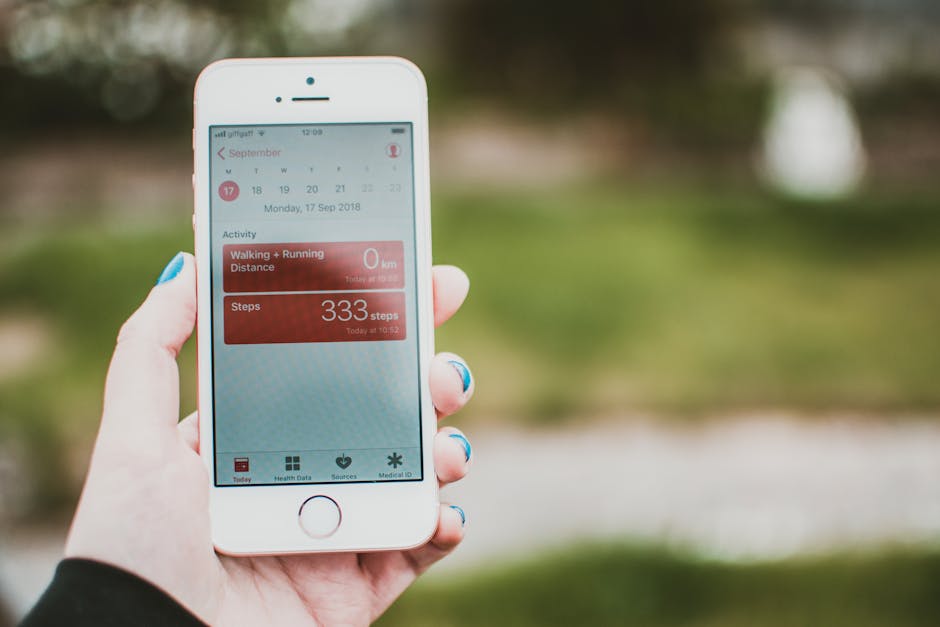
Ultra is a personalised fitness and nutrition application built primarily around running and endurance performance. Available on iOS and Android, it combines AI-driven coaching with real-time workout tracking and a comprehensive meal planning system — all within a single, unified interface. Rather than treating exercise and diet as separate concerns, Ultra positions itself as a complete performance ecosystem where your training load directly informs your nutritional targets and vice versa.
The platform was developed with serious amateur athletes in mind — particularly runners looking to improve over distances from 5K to marathon and beyond. That said, it caters to recreational users just as effectively, thanks to its adaptive onboarding process which calibrates difficulty, volume, and calorie targets to your current fitness level and goals.
Ultra integrates with popular wearables including Garmin, Apple Watch, and Wahoo devices, pulling in heart rate, pace, and GPS data to refine its coaching recommendations over time. For UK users, it’s fully metric, features British food database entries for meal logging, and works seamlessly across time zones — a small but appreciated detail for travelling athletes.
Key Features
AI-Powered Adaptive Coaching
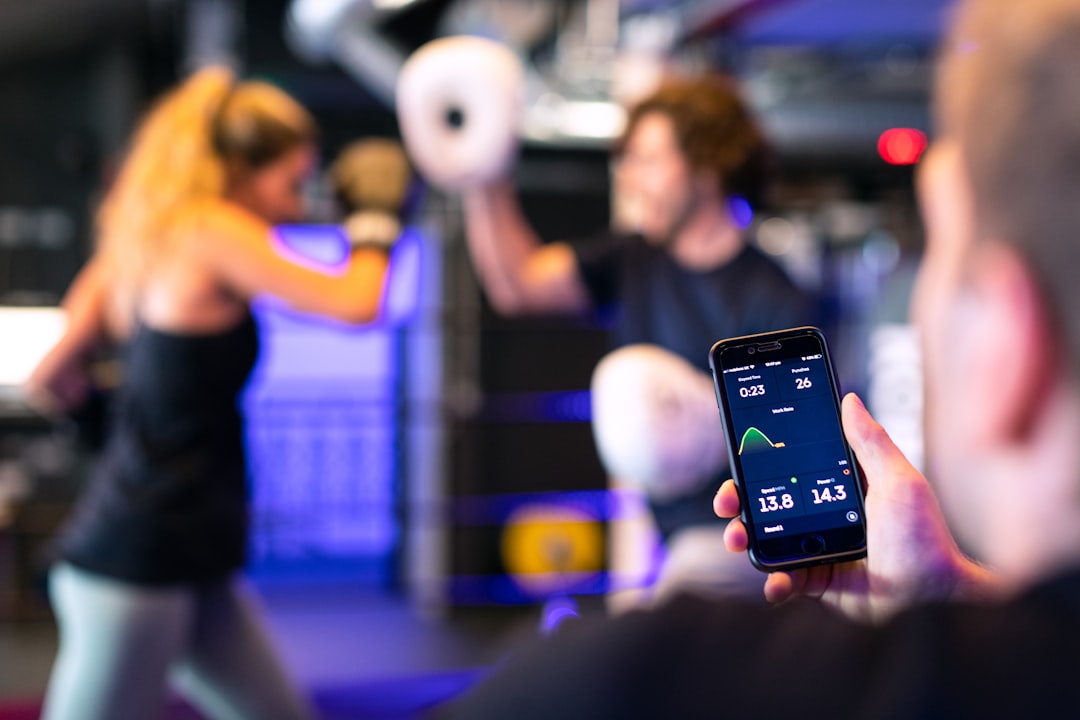
Ultra’s headline feature is its AI coaching engine, which analyses your training history, recovery data, and performance trends to adjust your weekly plan in real time. Unlike static training plans that assume linear progression, Ultra’s algorithm responds to signs of fatigue, missed sessions, or performance breakthroughs — pushing harder when you’re thriving and pulling back when your body needs it. During testing, the adjustments felt genuinely intelligent rather than arbitrary, and the coaching cues provided context for each change rather than simply reshuffling sessions silently.
Real-Time Workout Tracking
The in-app GPS tracking for running is accurate and responsive, with live metrics including pace, heart rate zones, cadence, and elevation. Audio cues are customisable in terms of frequency and content, and the post-workout analysis breaks down effort distribution across heart rate zones in a clean, readable format. Syncing with third-party devices is smooth — our Garmin data appeared in the app within seconds of finishing a run, with no manual imports required.
Integrated Meal Planning and Nutrition Tracking
Nutrition logging in Ultra goes beyond simple calorie counting. The app calculates personalised macronutrient targets based on your training schedule for that specific day, meaning rest days and long-run days carry different nutritional prescriptions. The food database is extensive and includes UK supermarket own-brand items, making it considerably more useful for British users than some US-centric competitors. Meal plans can be auto-generated or manually customised, and there’s a useful recipe builder for those who prefer cooking from scratch.
Progress Analytics and Reporting
Ultra’s analytics dashboard is one of its strongest areas. Weekly and monthly training load charts, fitness trend lines, and nutrition adherence scores give a genuinely comprehensive picture of progress over time. The ability to overlay training volume against body weight, sleep quality (if connected to a wearable), and calorie intake on a single graph is particularly powerful for identifying patterns that affect performance. Exporting data to PDF for sharing with a coach or physiotherapist is straightforward and free on all tiers.
How Ultra Compares
| Feature | Ultra | Whoop | MyFitnessPal |
|---|---|---|---|
| AI Adaptive Training Plans | ✅ | ✅ | ❌ |
| Integrated Nutrition Tracking | ✅ | ❌ | ✅ |
| Real-Time GPS Tracking | ✅ | ❌ | ❌ |
| UK Food Database | ✅ | ❌ | ✅ |
| Wearable Integration | ✅ | ✅ | ✅ |
| Free Plan Available | ✅ | ❌ | ✅ |
| Strength Training Focus | ❌ | ✅ | ❌ |
| Progress Export / Reporting | ✅ | ✅ | ❌ |
Pros and Cons
✅ Pros
- AI coaching genuinely adapts to fatigue and performance — not just a reshuffled template
- Best-in-class integration of nutrition and training load in a single platform
- Excellent UK food database with supermarket own-brand coverage
- Clean, intuitive interface that doesn’t overwhelm new users
- Detailed post-workout analytics including heart rate zone breakdown
- Free plan offers meaningful functionality, not just a teaser
- Fast, reliable wearable syncing with Garmin and Apple Watch
❌ Cons
- Strength training and gym-based workouts are notably underdeveloped
- No offline mode — requires an internet connection for full functionality
- Premium pricing may feel steep compared to single-purpose alternatives
- Community and social features are minimal compared to Strava or Garmin Connect
- Barcode scanner occasionally struggles with niche UK health food brands
Pricing
Ultra operates on a freemium model, which means you can get started without entering payment details. Here’s how the tiers break down based on our testing:
| Plan | Price | Key Inclusions |
|---|---|---|
| Free | £0 | Basic workout tracking, food logging, limited AI coaching cues |
| Premium Monthly | ~£14.99/month | Full AI coaching, adaptive plans, advanced analytics, meal planning, wearable sync |
| Premium Annual | ~£99.99/year (~£8.33/month) | All Premium features at a significant saving — best value for committed users |
The annual plan represents roughly 44% savings over monthly billing, making it the obvious choice for anyone planning to use Ultra consistently. Pricing may vary — always check the website for the most current rates and any introductory offers.
Who Is Ultra Best For?
Perfect For:
- Recreational and competitive runners who want a training plan that responds dynamically to how their body is performing week to week
- Endurance athletes — cyclists, triathletes, and swimmers — who need to align their nutrition intake with varying training loads
- Data-driven fitness enthusiasts who enjoy reviewing analytics, spotting trends, and making evidence-based adjustments to their routine
- UK-based users frustrated by US-centric apps where British food brands and metric measurements feel like an afterthought
- Busy professionals who want a single app that handles both training and nutrition without switching between platforms
Not Ideal For:
- Gym-focused lifters seeking periodised strength programmes, progressive overload tracking, and one-rep-max calculations
- Beginners who find data overwhelming — the analytics depth, while excellent, can feel intimidating without some fitness background
- Users in areas with poor mobile connectivity, as the app’s reliance on a live connection limits its usability in remote trail running environments
- Those on a very tight budget who need everything from a free-tier app — the best features sit firmly behind the paywall
Our Verdict
After several weeks of rigorous testing, Ultra stands out as one of the most cohesive and intelligent fitness platforms we’ve evaluated for UK users. The AI coaching genuinely earns its billing — it’s not merely a marketing buzzword layered over a static plan. The way the app bridges the gap between training load and nutritional requirements is, frankly, ahead of most competitors, and the UK food database is among the best we’ve encountered in any nutrition app. The weaknesses are real — gym-goers will feel underserved, and the lack of an offline mode is a meaningful gap — but for runners and endurance athletes, Ultra is a compelling, well-priced, and impressively functional choice.
| Category | Score |
|---|---|
| Value for Money | 8.0 / 10 |
| Features | 8.8 / 10 |
| Ease of Use | 8.5 / 10 |
| UK Availability | 8.2 / 10 |
| Overall | 8.4 / 10 |
Get Started with Ultra Today →
Frequently Asked Questions
Is Ultra a free app?
Ultra offers a genuine free plan that includes basic workout tracking and food logging — useful enough for casual users. However, the most powerful features, including full AI coaching, adaptive training plans, and detailed analytics, require a Premium subscription. The free tier is a solid starting point, but serious athletes will likely find themselves upgrading fairly quickly.
Does Ultra work with Garmin and Apple Watch?
Yes. Ultra integrates directly with Garmin, Apple Watch, and Wahoo devices. Workout data including heart rate, GPS pace, and elevation syncs automatically after each session, with no manual imports needed. During our testing, syncing was fast and reliable across both Garmin and Apple Watch hardware, making it a smooth experience for wearable users.
Is Ultra good for marathon training?
Ultra is particularly well-suited to marathon and long-distance running training. Its AI coaching engine builds and adjusts plans around race-day targets, and the nutrition system dynamically matches your calorie and macronutrient targets to your daily mileage. Runners preparing for a marathon will find the combination of adaptive scheduling and fuelling guidance genuinely useful for managing high training loads safely.
How does Ultra’s AI coaching work?
Ultra’s AI analyses your recent training history, performance data from connected devices, and any reported fatigue or soreness to adjust your weekly plan in real time. If you miss a session or record an unusually poor performance, the algorithm recalibrates future workouts rather than simply pushing harder. The system also explains why changes have been made, which helps users understand the logic behind their programme rather than blindly following instructions.
Is Ultra available in the UK?
Yes, Ultra is fully available in the UK via the App Store and Google Play. The app is metric-first, includes a UK-specific food database with entries from major British supermarkets and brands, and works seamlessly on UK devices. Pricing is available in GBP on subscription, and there are no known regional feature restrictions for UK users compared to other markets.
Still Not Sure? Compare Your Options:
- Why Nutracheck Beats MyFitnessPal for UK Food Trackers — if nutrition tracking is your primary focus, this comparison is essential reading
- MacroFactor Review: Is This Nutrition App Worth It? — a strong Ultra alternative for macro-focused athletes who want deep nutritional insight
- Why Amazfit GTR 4 Beats Fitbit for Budget Runners — pairing Ultra with the right wearable makes a significant difference to data quality