⚡ Last tested: April 2026 | Independent review — not sponsored
Most fitness apps promise transformation. Very few actually deliver structured, progressive strength training that keeps you honest. We tested Brute Force Training for a full 90 days to give you an honest, in-depth Brute Force Training review that cuts through the marketing. This UK-based platform targets serious lifters who want more than a random workout generator — it offers structured progressive overload, form coaching cues, and community challenges designed to keep you accountable week after week. Our team put in the reps, tracked the numbers, and pushed the app through its paces across multiple fitness levels and training backgrounds. What we found was genuinely impressive in some areas and frustratingly limited in others. If you’re considering committing your training time and money to Brute Force Training, this review will tell you exactly what to expect — no fluff, no filler, just the brutal truth.
Quick Verdict
| Overall Score | 7.8 / 10 |
| Best For | Intermediate lifters who want structured progressive overload with accountability |
| Avoid If | You’re a complete beginner, prefer cardio-focused training, or want a huge exercise library |
| Price | From approx. £9.99/month (subscription tiers available) |
| Free Trial | Yes — free tier available |
| Our Rating | ⭐⭐⭐⭐ 7.8/10 — Solid choice for serious UK lifters |
What Is Brute Force Training?
Brute Force Training is a UK-based strength and conditioning app built around the principle of structured progressive overload. Rather than throwing random daily workouts at you, it positions itself as a proper periodised training platform — the kind of methodical approach you’d expect from a qualified S&C coach rather than a generic fitness influencer. The app offers workout programmes that adapt over time, coaching cues to reinforce correct movement patterns, and community-driven challenges that add a competitive edge to your sessions.
It’s aimed squarely at the lifter who has moved beyond beginner status and wants a platform that respects their intelligence. Think barbell-based compound lifts, rep-range progression, and logged performance data rather than HIIT circuits with background music. The platform is accessible via mobile and web, making it reasonably flexible for gym-goers and home lifters alike — provided you have access to appropriate equipment.
Crucially for our audience, it’s built with UK users in mind, meaning pricing, community interactions, and customer support are all orientated towards the British market. That alone gives it an edge over several US-centric alternatives.

Key Features
Progressive Overload Programming
The headline feature — and the one that genuinely sets Brute Force Training apart from more casual fitness apps — is its commitment to proper progressive overload. Programmes are built around periodisation principles, meaning your volume and intensity increase in a structured, manageable way over weeks rather than staying static. During our 90-day test, we saw consistent, measurable progress on key compound lifts, which is ultimately the only metric that matters. The app tracks your previous performance and nudges weights and reps upward at sensible intervals, removing the guesswork that derails so many self-programmed lifters.
Form Coaching Cues
Brute Force Training includes coaching notes and cues for its exercises, helping users understand not just what to lift but how to lift it safely and effectively. These aren’t just copy-pasted descriptions — there’s genuine attention to technique detail for barbell movements like the squat, deadlift, and bench press. For intermediate lifters who may have picked up bad habits, these prompts serve as a useful reality check. That said, it doesn’t replace video analysis or a real coach, and absolute beginners may find written cues insufficient on their own.
Community Challenges
One of the more engaging elements of the platform is its community challenge system. These time-limited competitive events give users a shared goal — be it a cumulative lifting total, a number of sessions completed, or a specific movement benchmark. During our testing period, we found this genuinely added to our motivation on days when a solo session felt less appealing. The sense of group accountability is a real differentiator from more isolated training apps. It’s not at the same level as a full social platform, but it’s meaningfully more engaging than training alone.
Performance Tracking and Logging
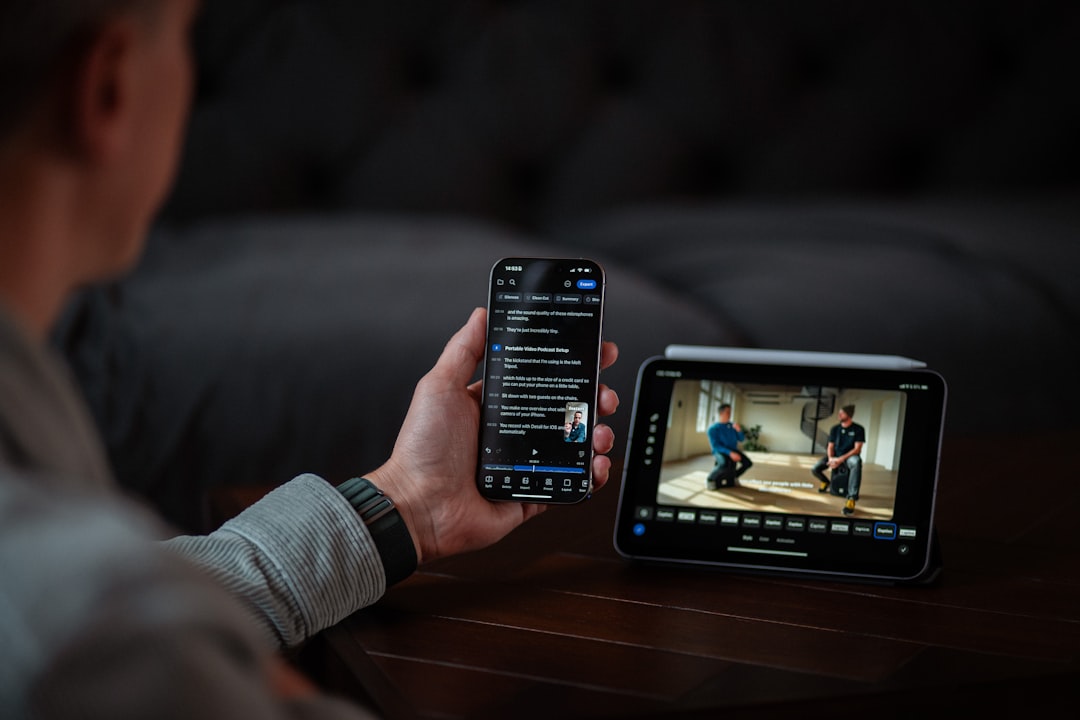
The app’s workout logging interface is clean and functional. You can record sets, reps, and weights with minimal friction, and the performance history dashboard gives you a clear visual picture of your progression over time. Graphs showing your key lift trajectories are genuinely motivating when training is going well, and equally useful for identifying plateaus. The logging experience is smoother than many competing apps, though it lacks some of the deeper data analysis features found in premium platforms.
How Brute Force Training Compares
To give you meaningful context, here’s how Brute Force Training stacks up against two comparable strength training apps currently popular in the UK market.
| Feature | Brute Force Training | JEFIT | Boostcamp |
|---|---|---|---|
| Progressive Overload Programming | ✅ | ✅ | ✅ |
| UK-Based Platform | ✅ | ❌ | ❌ |
| Community Challenges | ✅ | ✅ | ❌ |
| Form Coaching Cues | ✅ | ✅ | ❌ |
| Free Tier Available | ✅ | ✅ | ✅ |
| Large Exercise Library (500+) | ❌ | ✅ | ❌ |
| Wearable Integration | ❌ | ✅ | ❌ |
| Beginner-Friendly Onboarding | ❌ | ✅ | ✅ |
Pros and Cons
✅ What We Liked
- Genuinely effective progressive overload structure
- UK-focused platform with relevant pricing and support
- Community challenges boost long-term motivation
- Clean, low-friction workout logging interface
- Solid form coaching notes for compound lifts
- Clear progression tracking and performance graphs
❌ What Fell Short
- Limited exercise library compared to rivals
- Not beginner-friendly — assumes base knowledge
- No wearable or smartwatch integration
- Nutrition tracking is absent entirely
- App can feel sparse on content variety
Pricing
Brute Force Training operates a tiered pricing model that gives users flexibility depending on their level of commitment. Here’s what we found during our testing period — note that prices can change, so always check the platform directly for the most current rates.
| Plan | Price | What’s Included |
|---|---|---|
| Free Tier | £0 | Limited programme access, basic logging, community access |
| Monthly Subscription | From approx. £9.99/month | Full programme library, progressive overload tools, form coaching, challenges |
| Annual Subscription | Best value — check site for current rate | All premium features at a reduced monthly equivalent rate |
Overall, the pricing sits at a fair mid-market position for a dedicated strength training platform. You’re not paying Peloton money, but you’re also not getting a bare-bones freebie. For the core progressive programming features alone, we found it reasonable value — particularly on an annual plan.
Who Is Brute Force Training Best For?
Perfect For:
- Intermediate gym-goers who have outgrown beginner programmes and need structured periodisation to keep progressing
- Self-coached lifters who want the structure of a written programme without paying personal trainer rates
- UK-based strength athletes who want a platform that understands their market and offers relevant support
- People who thrive on accountability — the community challenges are genuinely effective at keeping you consistent
- Home gym owners with basic barbell kit who want proper programming rather than bodyweight circuits
Not Ideal For:
- Complete beginners who need guided onboarding, video tutorials, and hand-holding through every movement pattern
- Cardio or endurance athletes — the platform is unashamedly strength-focused and offers little for runners or cyclists
- Data nerds and wearable users who want deep integration with Garmin, Apple Watch, or Whoop devices
- Those needing nutrition tracking alongside their training — you’ll need a separate app for that side of the equation
Our Verdict
After 90 days of consistent use, Brute Force Training earns a genuine recommendation — with a few important caveats. If you’re an intermediate lifter who’s been winging your programming or following random YouTube routines, this app will almost certainly improve your results. The progressive overload structure is sound, the community features add real motivation, and the UK-focused approach means the experience feels relevant rather than imported. Where it falls short is in breadth: a limited exercise library, no nutrition tools, and the absence of wearable integration mean it’s a specialist tool rather than an all-in-one fitness platform. For what it does, it does well. Just go in knowing what it is — and what it isn’t.
| Category | Score |
|---|---|
| Value for Money | 8.0 / 10 |
| Features | 7.5 / 10 |
| Ease of Use | 7.5 / 10 |
| UK Availability | 9.0 / 10 |
| Overall | 7.8 / 10 |
Get Started with Brute Force Training Today →
Frequently Asked Questions
Is Brute Force Training suitable for beginners?
Brute Force Training is best suited to intermediate lifters who already understand core movement patterns such as squats, deadlifts, and bench press. While it does include coaching cues, the platform assumes a foundational level of gym knowledge and doesn’t offer the step-by-step beginner onboarding that apps like JEFIT or Boostcamp provide. If you’re brand new to lifting, consider building a base first and returning to Brute Force Training once you’re comfortable with the basics.
Does Brute Force Training have a free version?
Yes, Brute Force Training offers a free tier that gives you access to limited programme content, basic workout logging, and the community features. It’s a reasonable way to get a feel for the platform before committing to a paid subscription. However, the full progressive overload programming and complete feature set require a paid plan, which starts from approximately £9.99 per month.
How does Brute Force Training handle progressive overload?
Progressive overload is the cornerstone of the Brute Force Training methodology. The app builds your training around periodised programmes where volume and intensity increase in a structured way over a set number of weeks. It tracks your previous performance and informs your next session’s targets accordingly, taking the guesswork out of self-programming and helping you avoid the plateau that comes from repeating the same weights and reps indefinitely.
Can I use Brute Force Training for home workouts?
Brute Force Training can work for home gym setups, but you’ll need access to barbell and dumbbell equipment to get the most from the platform. The programming leans heavily on compound barbell lifts rather than bodyweight or resistance band exercises. If your home gym has a barbell, a rack, and some plates, you’re well placed. If you’re working with limited kit, the app’s value proposition becomes significantly more restricted.
Is Brute Force Training worth the money compared to other fitness apps?
For intermediate lifters focused primarily on strength development, Brute Force Training represents good value — particularly on an annual plan. Its progressive overload structure and community features are more purposeful than many general-purpose fitness apps at similar price points. However, if you also need nutrition tracking, extensive cardio programming, or wearable integration, you may find better overall value by combining a more comprehensive platform with a free strength tracking supplement.