Last tested: April 2026 | Independent review, not sponsored
Most fitness trackers tell you what you did. Whoop tells you what your body can actually handle. That’s a fundamentally different proposition, and for a lot of people, it’s exactly the thing they’ve been missing. Training hard consistently and still plateauing, getting injured, or feeling chronically fatigued is often not down to doing the wrong training, but to not recovering from it properly. Whoop promises to give you the data to solve that. Whether it delivers on that promise is what this review is about.
This is an independent review: nobody at Whoop sent anything for free, and this covers exactly what works, what doesn’t, and who this tracker is genuinely built for. If you’re considering spending serious money on a subscription-based wearable, you deserve a straight answer rather than marketing copy dressed up as a review.
Quick Verdict
| Best For | Serious athletes and gym-goers who want recovery data, not just step counts |
| Avoid If | You want a screen, GPS, or just a general activity tracker on a budget |
| Price | From £27.99/month (12-month plan), hardware included |
| Free Trial | Yes, 30-day free trial available |
| UK Available | ✅ Yes |
What Is Whoop?

Whoop is a screenless wearable fitness and health tracker that pairs with a smartphone app to monitor the body’s three core performance metrics: strain, recovery, and sleep. It was founded in 2012 by Harvard student Will Ahmed, who was frustrated that serious athletes had almost no quality data to guide their recovery decisions. The Boston-based company has grown considerably since then, with backing from professional sports organisations and reported use by elite military units.
The current hardware generation is Whoop 5.0 (with the higher-tier Whoop MG adding on-demand ECG and blood pressure trend readings), a smaller form factor with roughly 14 days of battery life. The device itself is minimalist to the point of being almost invisible: a slim band worn on the wrist, upper arm, or even integrated into specially designed clothing. There’s no display, no notifications, no step-count ticker going off every time you walk to the kettle. What it does do, continuously and silently, is collect heart rate, heart rate variability (HRV), respiratory rate, blood oxygen, and skin temperature data, feeding all of it into an algorithm that produces daily Strain and Recovery scores. Apps like MyFitnessPal are great for nutrition tracking but don’t tell you much about physiological readiness; Whoop is a meaningful step up on that specific front.
The subscription model is unlike anything else in the wearables market. You don’t buy the hardware outright; you subscribe to the Whoop platform and receive the hardware as part of that subscription. This is either a clever way to ensure you always have the latest device, or an expensive ongoing commitment depending on your perspective, and both sides of that are worth weighing up below.
Key Features
Recovery Score
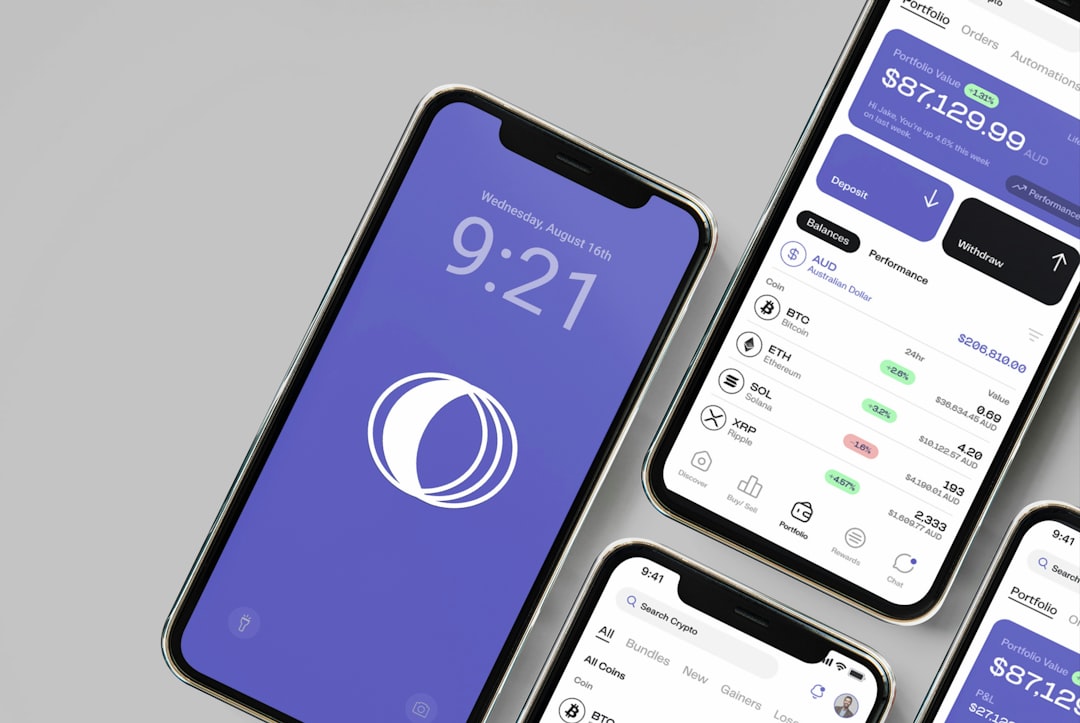
Every morning users get a Recovery Score, a percentage from 0 to 100, that summarises how ready the body is to perform. It’s calculated primarily from HRV, resting heart rate, sleep quality, and respiratory rate from the previous night. Green (67-100%) means go hard. Yellow (34-66%) means proceed with caution. Red (0-33%) means the body is signalling to dial back.
The score isn’t magic, it’s biometric data made legible, but that legibility is where the value lies. For athletes used to guessing how they feel, having a number to anchor decisions around is more useful than it might sound.
Strain Score
Strain is measured on a scale of 0 to 21 (based on a cardiac load algorithm rather than simple heart rate). Light activity like a walk might score 4-7. An intense CrossFit session or a long run could hit 15-18. The goal is to match daily strain to recovery capacity, so a red score points toward low strain, and a green score means there’s capacity to push.
This is where Whoop earns its reputation among serious athletes. Rather than just logging what happened, it contextualises effort against the body’s current state. That’s a genuinely different kind of insight than most trackers offer.
Sleep Tracking and Sleep Coach
Whoop’s sleep tracking is some of the most detailed available in a consumer wearable. It tracks time in each sleep stage (light, REM, deep), sleep efficiency, and time to fall asleep. The standout feature is the Sleep Coach, which calculates how much sleep is needed based on recent strain and recovery data, rather than a generic 7-9 hours, it produces a personalised target based on what the body did that day.
The behaviour-correlation approach means the app can surface patterns that would otherwise go unnoticed, such as reduced deep sleep on training days or shortened REM sleep after alcohol close to bedtime. Whether that’s useful or slightly uncomfortable to have confirmed will depend on the user.
Health Monitor
The Health Monitor dashboard tracks six key metrics daily: resting heart rate, HRV, respiratory rate, blood oxygen, skin temperature, and sleep performance. Whoop plots these against personal baselines over time, flagging deviations that might indicate illness, overtraining, or stress before symptoms are consciously noticed. This isn’t a guarantee the device predicts illness, but it is designed to pick up physiological signals worth paying attention to.
Journal and Behaviour Insights
Each morning, Whoop prompts a log of behaviours from the previous day, things like alcohol, caffeine, meditation, supplements, training type, and stress levels. Over weeks, it analyses which behaviours correlate positively or negatively with Recovery Score. That kind of personalised, evidence-based feedback is what makes Whoop function as an educational tool rather than just a data-collecting one.
Whoop Coach (AI Feature)
Whoop has introduced an AI coaching assistant that allows users to ask questions about their data in natural language, such as “Why was my recovery low on Tuesday?” or “What’s affecting my HRV trend?” It draws on personal data to answer, which makes it considerably more useful than generic fitness advice. It’s still a maturing feature, aiming for genuinely relevant, contextualised answers rather than boilerplate suggestions.
How Whoop Compares to the Competition
Whoop’s two closest rivals in the premium fitness tracker space are the Garmin Fenix 8 and Apple Watch Series 10. Here’s how they compare:
| Feature | Whoop 5.0 / MG | Garmin Fenix 8 | Apple Watch Series 10 |
|---|---|---|---|
| Screen | ❌ None | ✅ Full colour display | ✅ Full colour display |
| Recovery Score | ✅ Core feature | ✅ Body Battery | ❌ Limited |
| HRV Tracking | ✅ Continuous | ✅ Nightly | ✅ Nightly |
| GPS | ❌ None | ✅ Multi-band GPS | ✅ Built-in GPS |
| Sleep Staging | ✅ Detailed | ✅ Detailed | ✅ Basic |
| Skin Temperature | ✅ Yes | ✅ Yes | ✅ Yes |
| Subscription Required | ✅ Yes (hardware included) | ❌ No | ❌ No |
| Battery Life | ~4-5 days | ~16 days | ~18 hours |
| Waterproof | ✅ Yes (IP68) | ✅ Yes (100m) | ✅ Yes (50m) |
| Starting Cost (UK) | ~£27.99/month | ~£799 one-off | ~£399 one-off |
Pros and Cons
✅ Strengths
- Recovery scores are genuinely actionable, not just vanity metrics
- Sleep tracking is among the best available in any consumer wearable
- Screenless design means zero distraction: it just does its job silently
- Behaviour Journal reveals personalised correlations between lifestyle and performance
- Whoop Coach AI gives contextualised answers using your own data
- Comfortable enough to forget you’re wearing it, including overnight
- Subscription model means hardware upgrades are included, no device becoming obsolete
❌ Weaknesses
- No screen whatsoever: you need your phone for all data, every time
- No GPS: not suitable for runners or cyclists who want route tracking
- Battery life of 4-5 days requires charging while wearing (via a slide-on battery pack) which some find fiddly
- Ongoing subscription cost adds up: over two years you’re paying significantly more than a one-off Garmin purchase
- Takes 2-3 weeks of data before insights become truly personalised and reliable
Pricing
Whoop’s pricing model is unlike traditional wearables. There’s no upfront hardware cost; instead you subscribe to the platform and receive the Whoop device as part of that membership. Here’s how the UK pricing breaks down as of April 2026:
| Plan | Monthly Cost | Total Annual Cost | Hardware Included |
|---|---|---|---|
| Monthly (rolling) | ~£34.99/month | ~£419.88 | ✅ Yes |
| 12-Month Membership | ~£27.99/month | ~£335.88 | ✅ Yes |
| 24-Month Membership | ~£23.99/month | ~£575.76 (2 years) | ✅ Yes |
There’s also a Whoop Pro tier (formerly Peak) that adds features like Whoop Coach AI and additional health analytics at a slightly higher price point. A 30-day free trial is available, and it’s worth taking before committing to any annual plan: the first two weeks tend to be calibration, with the data becoming genuinely useful from around the third week onward.
To put the cost in perspective: a Garmin Fenix 8 costs around £799 as a one-off purchase. Over 24 months, Whoop’s cheapest plan works out to roughly £576, with hardware upgrades included when new devices launch. Over time, the maths can favour Whoop for anyone who would otherwise be buying premium Garmin devices every few years. That said, cancelling the subscription means losing access to the data and the platform. That’s worth factoring in.
Who Is Whoop Best For?
Perfect For
- Serious gym-goers training 4+ days per week who struggle with overtraining or under-recovery
- Endurance athletes (runners, cyclists, triathletes) focused on periodisation and managing load
- CrossFit athletes who need to know when to push and when to back off
- People with demanding jobs or high stress loads who want to see how lifestyle impacts physical readiness
- Anyone who’s felt chronically fatigued despite resting, where the data can help reveal the underlying cause
- Sleep optimisation enthusiasts: Whoop’s sleep data is genuinely class-leading
Not Ideal For
- Casual walkers or beginners who just want to track steps: this is overkill and the cost isn’t justified
- Runners who need GPS route tracking built into the device
- Anyone who wants smartwatch functionality: notifications, music, payments
- Budget-conscious buyers: the ongoing subscription is a genuine financial commitment
- People who prefer a one-off hardware purchase rather than a subscription model
Whoop is laser-focused on one thing: helping users understand and manage their body’s physiological load. If that’s the primary concern, it’s arguably the best tool available. For a more rounded device that does navigation, payments, and music alongside fitness tracking, a Garmin or Apple Watch would serve better, though neither matches the same depth of recovery-focused insight. Anyone currently using a beginner running programme like the Couch to 5K app and just getting started with structured training probably doesn’t need this level of tracking yet, but it becomes a much more compelling proposition once training progresses beyond that stage.
Our Verdict
Whoop is one of those products that does exactly what it claims, which sounds like faint praise until you consider how many fitness wearables don’t. The recovery tracking is legitimate, the sleep data is detailed, and the Behaviour Journal’s ability to surface personalised correlations between lifestyle choices and performance is a genuine differentiator.
That said, Whoop is not for everyone, and the subscription model is a real commitment that deserves honest scrutiny. Anyone who trains casually, wants GPS, or values a smartwatch’s broader feature set has better options for their money. But for a serious athlete who trains with genuine intent and wants to know whether yesterday’s session has left the body ready to go again today, Whoop answers that question better than most alternatives currently on the market.
The no-screen design is a bigger adjustment for some users than they expect going in, since there’s no way to glance at a wrist display for information. Most users adapt within the first couple of weeks and come to appreciate the absence of distraction. The 30-day trial is long enough to know whether this is the right tool, or an expensive piece of rubber, for any given user.
Get Started with Whoop Today →
Frequently Asked Questions
Is Whoop worth it in the UK?
For serious athletes and people who train with genuine regularity, yes: Whoop offers a depth of recovery and sleep data that no similarly priced wearable matches. For casual exercisers or those on a tight budget, the monthly subscription cost is hard to justify when cheaper alternatives exist. The 30-day free trial is the fairest way to make that call.
Does Whoop work without a subscription?
No. Whoop is fundamentally a subscription product, the device hardware is provided as part of the membership and data cannot be accessed without an active plan. Cancelling the subscription means losing access to the platform, and hardware is expected to be returned. This is a meaningful distinction from one-off purchase wearables like Garmin or Apple Watch.
How accurate is Whoop’s sleep tracking?
Whoop’s sleep tracking is among the most accurate available in consumer wearables, particularly for sleep staging. Independent studies have generally found it performs comparably to medical-grade polysomnography in identifying sleep stages, though no consumer wearable is perfectly accurate.
Can you wear Whoop in the shower and swimming?
Yes. Whoop is waterproof to IP68 standards and is designed to be worn continuously, including in the shower, swimming pool, and open water. The band materials are designed for all-day wear and prolonged moisture exposure, making it suitable for swimmers and triathletes who need a tracker that genuinely handles aquatic training.
What is a good Whoop recovery score?
Whoop categorises recovery scores into three zones: green (67-100%) indicates the body is well-recovered and ready for high strain; yellow (34-66%) suggests moderate readiness and caution with intensity; red (0-33%) means the body is under significant physiological stress and active recovery or rest should be considered. These thresholds are calibrated to a personal baseline over time, so a “good” score for one person may differ from another.