Most wearables sit on your wrist. The Oura Ring sits on your finger – and that small difference turns out to matter enormously for sleep and recovery tracking accuracy. This review draws on Oura’s published specifications, membership terms and independent reporting to set out what this smart ring gets right, what it gets wrong, and who it genuinely suits. This Oura Ring review covers everything from build quality and feature depth to that ongoing subscription nobody talks about loudly enough. If you’re spending serious money on a wearable, read this first.
Last updated: April 2026 | Independent review, not sponsored
Quick Verdict
| Overall Score | 8.5/10 |
| Best For | Sleep-focused individuals and recovery-driven athletes who want discreet, ring-based tracking |
| Avoid If | You want real-time workout metrics on your body or prefer a one-off cost with no subscription |
| Price | Ring from approx. £349 + membership from £5.99/mo (UK pricing, check site for current rates) |
| Free Trial | ✅ Yes – 30-day trial included with ring purchase |
What Is Oura Ring?
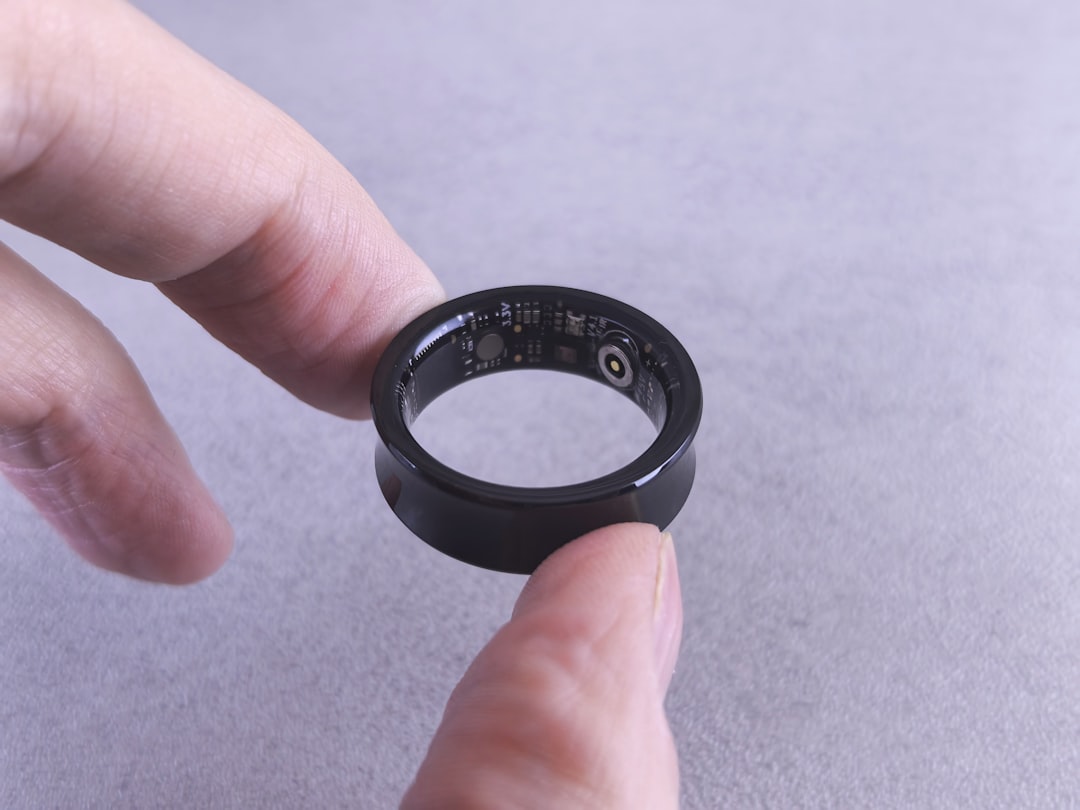
The Oura Ring is a smart ring designed to track sleep, recovery and daily activity. Unlike a smartwatch or fitness band, it’s worn on your finger and is built to look like a piece of everyday jewellery – discreet, lightweight and suitable for wearing around the clock, including in the shower and during exercise.
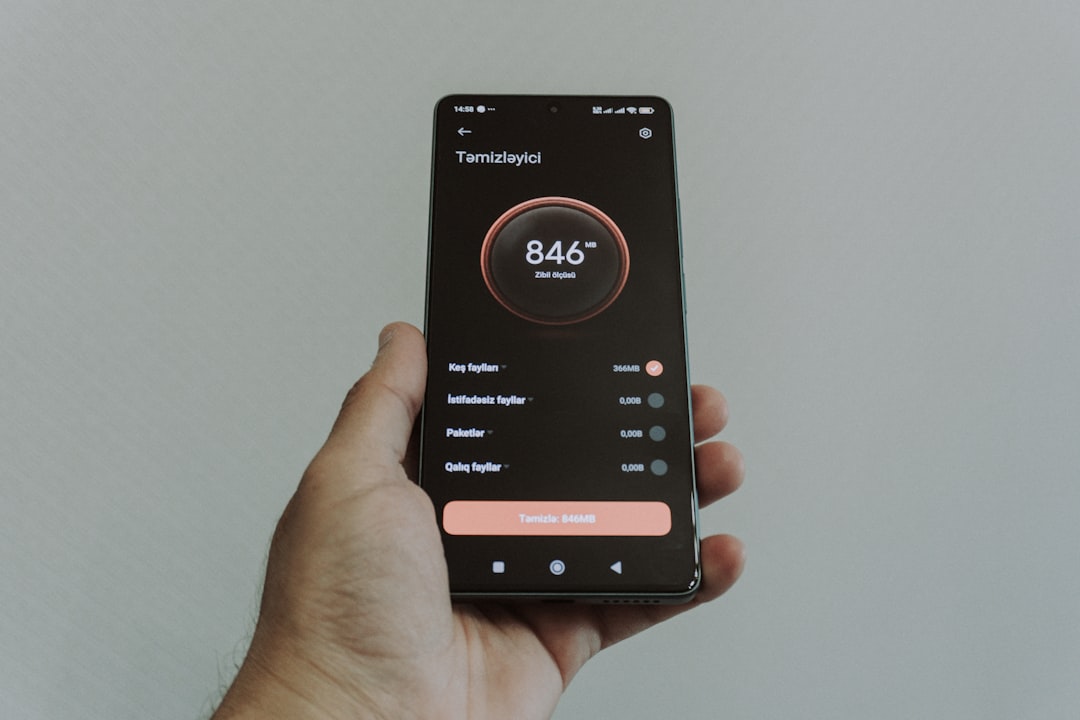
Made by Finnish company Oura Health, the ring uses an array of sensors on its inner surface to measure heart rate, heart rate variability (HRV), blood oxygen levels, skin temperature and movement. It then feeds all of this data into the companion app, which produces three daily scores: a Sleep Score, a Readiness Score and an Activity Score. These scores are the heart of the product – they’re designed to give you an at-a-glance view of how recovered you are each day, helping you decide whether to push hard in training or pull back.
Oura offers the ring in multiple finishes and sizes; check ouraring.com for the current model in the range. Oura has attracted attention from elite athletes, biohackers and sleep researchers alike, and according to the company, millions of rings are now in use worldwide. If you’re also tracking nutrition alongside recovery, you might find our Garmin Connect review a useful companion read.
Key Features
Sleep Tracking and Sleep Stages
This is where Oura genuinely earns its reputation. The ring tracks total sleep duration, sleep efficiency, time spent in light, deep and REM sleep, plus latency (how long it takes you to fall asleep) and the number of times you wake during the night. Independent testing by third-party reviewers has generally found Oura’s sleep-stage figures to be plausible and well-calibrated for a consumer device. It doesn’t just log hours – it explains what your sleep architecture means and how it affects your readiness the following day.
Readiness Score and HRV Monitoring
The Readiness Score is Oura’s flagship metric and arguably its most useful feature. It pulls together your HRV, resting heart rate, body temperature trends, sleep quality and recent activity load to produce a single score from 0 to 100. HRV monitoring happens overnight, which is widely regarded as a more accurate window for measuring autonomic nervous system recovery than wrist-based daytime readings. Oura positions a lower Readiness Score as a prompt to ease back on training intensity that day.
Continuous Skin Temperature Monitoring
Oura tracks your skin temperature every night and builds a personalised baseline over time. Deviations from your norm flag up in the app as potential signs of illness, overtraining or – for those who use it – cycle phase shifts. Oura says these deviations can flag the early signs of illness before obvious symptoms appear. It’s a subtle but useful differentiator compared with most wrist-based wearables.
Activity and Workout Tracking
It is worth being clear on this: Oura is not a workout tracker in the traditional sense. It automatically detects activities such as walking, running and cycling, and logs steps and calorie burn estimates, but it does not show real-time metrics on the ring itself. There’s no screen. You won’t see your current heart rate during a session the way you would with an Apple Watch or Garmin. For serious training data, Oura is best used alongside a dedicated sports watch, not instead of one.
How Oura Ring Compares
| Feature | Oura Ring | Whoop 4.0 | Garmin Venu 3 |
|---|---|---|---|
| Hardware Cost | From ~£349 | Included in membership | From ~£349 |
| Monthly Subscription | From £5.99/mo | From ~£30/mo | ❌ None |
| Sleep Tracking | ✅ Advanced | ✅ Advanced | ✅ Good |
| HRV Monitoring | ✅ Overnight | ✅ Continuous | ✅ Overnight |
| Skin Temperature Tracking | ✅ Yes | ✅ Yes | ✅ Yes |
| Real-Time Workout Display | ❌ No screen | ❌ No screen | ✅ Full display |
| GPS | ❌ No | ❌ No | ✅ Built-in |
| Battery Life | Up to 7 days | Up to 5 days | Up to 14 days |
| Free Trial | ✅ 30 days | ✅ 30 days | ❌ No |
Pros and Cons
- ✅ Exceptional sleep tracking accuracy – sleep stages, HRV and temperature data are among the most detailed available in any consumer wearable
- ✅ Discreet, wearable design – looks like a plain ring; comfortable enough to forget you’re wearing it, even in bed
- ✅ Up to 7 days battery life – easily lasts a full week without charging, which is rare for a device tracking this much data
- ✅ Continuous skin temperature baseline – flags illness and overtraining before you consciously notice symptoms
- ✅ Readiness Score is genuinely actionable – not just a number; the app explains what’s driving it and what to do about it
- ✅ Waterproof to 100 metres – wear it swimming, showering or in any weather without a second thought
- ✅ No bulky screen to catch or scratch – unlike smartwatches, there’s nothing to knock during lifts or outdoor activities
- ❌ Ongoing subscription is unavoidable – after your free trial, you pay monthly to access most of the app’s meaningful data; this cost adds up significantly over time
- ❌ No real-time workout metrics – you cannot see heart rate, pace or any live data during training without a paired device
- ❌ No built-in GPS – route tracking relies entirely on your phone’s GPS signal, which drains your phone battery
- ❌ Sizing can be tricky – fingers swell during exercise and change size with temperature; getting the right fit often requires ordering a sizing kit first, which adds time to the buying process
Pricing
The Oura Ring has a two-part cost that catches many buyers off guard. First, there’s the upfront hardware cost: the ring starts from approximately £349 in the UK, with price variations depending on the finish you choose (silver, black, gold and stealth options are available at different price points). Check ouraring.com for current UK pricing as it does shift.
After the included 30-day free trial, you’ll need an Oura Membership to access the full suite of features, including your Readiness Score, detailed sleep analysis and personalised health insights. According to the company, this is priced from approximately £5.99 per month. Without the membership, data access becomes significantly limited – worth understanding before you commit to the hardware cost.
Compared to Whoop, where the membership costs considerably more per month (though hardware is bundled in), Oura’s subscription is relatively modest. Versus something like the Garmin Venu 3, which carries no ongoing subscription at all, the long-term cost picture is less flattering. Over two years, the total cost of ownership for an Oura Ring is meaningfully higher than many competing wearables.
Who Is Oura Ring Best For?
Perfect For:
- Sleep-obsessed individuals who want the most granular sleep stage and HRV data available in a consumer device without strapping a bulky device to their wrist every night
- Endurance athletes and CrossFitters who train hard and need a reliable readiness signal to manage fatigue and avoid overtraining across blocks of high-volume work
- Professionals in high-stress roles – lawyers, founders, shift workers – who want to quantify the impact of stress and poor sleep on their body’s recovery patterns
- People who’ve tried fitness trackers and found them uncomfortable – the ring format genuinely solves the comfort and skin irritation issues common with wristbands
- Biohackers and data enthusiasts who want to correlate sleep quality, temperature trends and HRV over months to fine-tune training, nutrition and lifestyle habits
Not Ideal For:
- Runners and cyclists who need real-time data – without a screen or GPS, Oura simply cannot replace a sports watch for anyone who coaches their effort using live metrics
- Budget-conscious buyers – the combined hardware and subscription cost over two or three years is substantial; if you’re not willing to pay monthly, look elsewhere
- People with ring-size issues or very active hands – construction workers, martial artists or anyone whose fingers take a daily battering may find the ring impractical or at risk of damage
- Those who want an all-in-one wearable – if you want notifications, contactless payments, a display and health tracking in a single device, a smartwatch remains the better choice
Our Verdict
On its specifications and independent reporting, the Oura Ring earns its premium reputation, but with important caveats. For sleep tracking and recovery monitoring, it is genuinely class-leading. The Readiness Score becomes one of the most useful daily health signals you’ll encounter, particularly if you take training seriously. The design is elegant, the battery life is excellent and wearing it truly becomes second nature within days.
However, the ongoing subscription is a structural cost that deserves full transparency before you buy, and the complete absence of any real-time workout feedback means it works best as a complement to a sports watch, not a replacement for one. If sleep and recovery are your primary goals, the Oura Ring is one of the best tools available. If you want a single wearable that does everything, look at the comparison table above carefully.
| Value for Money | 7/10 |
| Features | 9/10 |
| Ease of Use | 9/10 |
| UK Availability | 9/10 |
| Overall | 8.5/10 |
View Oura Ring on ouraring.com →
Frequently Asked Questions
Is the Oura Ring worth the money?
For sleep tracking and recovery monitoring, the Oura Ring is one of the most capable consumer wearables available. Whether it’s worth the money depends on your priorities. If you’re serious about sleep quality and training recovery, the data it provides is genuinely actionable. However, the combined hardware and ongoing subscription cost means it represents a significant long-term investment compared with some competitors.
Does the Oura Ring require a monthly subscription?
Yes. After a 30-day free trial included with the ring, an Oura Membership is required to access the full range of features, including the Readiness Score, detailed sleep analysis and personalised health insights. According to the company, membership starts from approximately £5.99 per month. Without it, the app’s data access is substantially limited.
How accurate is Oura Ring sleep tracking?
Oura Ring sleep tracking is widely regarded as among the most accurate available in a consumer wearable. The finger-based sensor position gives it better access to blood flow data than most wrist-worn devices. Sleep stage detection – light, deep and REM – is considered reliable for general-purpose health tracking, though it is not a clinical-grade medical device and should not replace professional sleep studies.
Can you wear the Oura Ring during exercise?
Yes, the Oura Ring is waterproof to 100 metres and can be worn during most forms of exercise, including swimming, lifting and running. However, it does not display real-time workout metrics – there is no screen. It will log activity automatically and allow manual workout entry in the app, but for live training data, you would need a paired sports watch or phone.
How does Oura Ring compare to Fitbit or Apple Watch for sleep?
The Oura Ring is widely regarded as providing more detailed and reliable sleep tracking than most Fitbit models and the Apple Watch, largely because finger-based optical sensors capture pulse data more cleanly than wrist-worn sensors. It also tracks skin temperature continuously overnight, which most Apple Watch and Fitbit models do not do to the same granular degree. You can also read our Fitbit review for a direct take on that platform.
Still Not Sure? Compare Your Options:
If Oura Ring isn’t quite right for you, these alternatives are worth a look:
- Garmin Connect Review: Is It Worth Using? – ideal if you want a no-subscription wearable ecosystem with strong GPS and training data
- Fitbit Review: Is the Fitness Tracker Worth It? – a lower-cost wrist-based alternative with solid sleep tracking for everyday users
- MacroFactor Review: Is This Nutrition App Worth It? – if you want to pair your recovery data with precision nutrition tracking