Independent review — not sponsored | Last updated: September 2026
Most fitness professionals are guessing at movement dysfunction. FMS gives you a system to stop guessing. This Functional Movement Systems review covers both the genuine strengths and the real limitations of one of the most talked-about assessment platforms in the industry, to help you decide whether the platform is worth your investment or whether the hype has outrun the product.
The fitness industry is littered with assessment tools that promise clinical precision but deliver little more than a checklist. FMS, by contrast, has been adopted by elite sports organisations and physical therapists worldwide.
Quick Verdict
| Overall Score | 8.2 / 10 |
| Best For | Personal trainers, strength coaches, physiotherapists, and sports performance staff |
| Avoid If | You want a standalone app for casual gym use or have no interest in formal movement screening |
| Price | From approx. $149/year (individual); certification courses sold separately |
| Free Trial | Limited free resources available; no full platform free trial |
| Our Rating | 8.2 / 10 |
What Is Functional Movement Systems (FMS)?
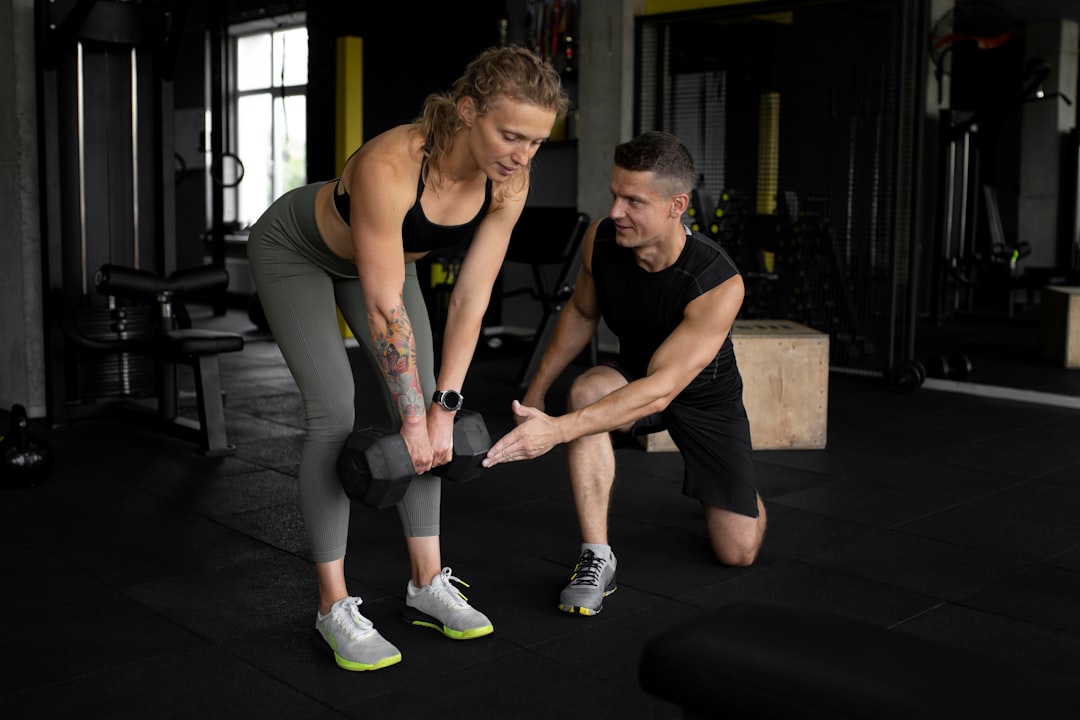
Functional Movement Systems (FMS) is a movement screening and corrective exercise platform developed by physical therapist Gray Cook and strength coach Lee Burton. Originally designed as a standardised method for identifying movement deficiencies and asymmetries before they develop into injuries, FMS has grown into a comprehensive ecosystem of tools used by personal trainers, physiotherapists, strength and conditioning coaches, and sports medicine professionals around the world.
At its core, the FMS screen consists of seven fundamental movement patterns scored on a 0–3 scale. These scores are used to identify the weakest links in a client’s movement chain, allowing the practitioner to prioritise corrective exercise interventions before loading those patterns in training. The platform also includes the Selective Functional Movement Assessment (SFMA) — a more clinically oriented tool aimed at practitioners working with clients experiencing pain.
Beyond the screening tools themselves, the FMS platform provides online education, certification programmes, a client management system, and access to a library of corrective exercise resources. It is used across the NFL, Premier League academies, and military organisations, which gives it genuine credibility in the professional fitness space.
Key Features
The FMS Screen — Seven Movement Patterns
The flagship feature is the seven-pattern screen: deep squat, hurdle step, inline lunge, shoulder mobility, active straight-leg raise, trunk stability push-up, and rotary stability. Each movement is scored 0–3, with asymmetries flagged separately. This gives practitioners an objective, repeatable baseline for each client — something many UK personal trainers have historically lacked. In practice, the screen takes roughly 15–20 minutes to administer once you are trained, which is realistic within a standard PT session structure.
SFMA (Selective Functional Movement Assessment)
The SFMA is the clinical-grade sibling of the standard FMS screen, designed for use by physiotherapists and sports medicine practitioners working with clients who present with pain. It breaks movement down into further subcategories to identify whether dysfunction is mobility-based or stability-based, enabling more targeted corrective programming. This is a significant differentiator from more basic assessment tools on the market and adds genuine clinical depth to the platform.
Online Education and Certification
FMS offers a range of online and in-person courses, including the Level 1 and Level 2 FMS certifications, SFMA courses, and Functional Fitness coaching education. Course content is well-structured and evidence-informed, drawing on peer-reviewed research in movement science. For UK fitness professionals pursuing continued professional development (CPD), FMS certifications are widely recognised and respected by employers and insurers alike.
Client Management and Reporting Tools
The FMS platform includes digital tools for recording and tracking client screen scores, generating reports, and monitoring progress over time. The interface is functional if not particularly modern. UK practitioners working across multiple clients will find the reporting features useful for demonstrating value and tracking outcomes — though the platform does not rival dedicated practice management software in terms of breadth.
How Functional Movement Systems (FMS) Compares
| Feature | FMS | TPI (Titleist Performance) | NSCA Assessment Tools |
|---|---|---|---|
| Standardised movement screen | ✅ | ✅ | ❌ |
| Clinical pain assessment tool | ✅ | ❌ | ❌ |
| Corrective exercise library | ✅ | ✅ | ✅ |
| Digital client management | ✅ | ✅ | ❌ |
| Professional certification | ✅ | ✅ | ✅ |
| UK-specific content | ❌ | ❌ | ❌ |
| Sport-agnostic application | ✅ | ❌ (golf-focused) | ✅ |
| Free entry-level content | ✅ (limited) | ✅ | ✅ |
Pros and Cons

✅ Pros
- Highly standardised — produces objective, repeatable results across practitioners
- Widely recognised and respected by UK employers and sporting organisations
- SFMA adds genuine clinical depth not found in competitor tools
- Strong evidence base — backed by published peer-reviewed research
- Excellent professional development pathway from Level 1 to advanced certification
- Applicable across a huge range of populations — athletes, older adults, rehabilitation clients
❌ Cons
- Platform interface feels dated compared to modern fitness software
- Certification costs can be significant — especially for newly qualified UK PTs
- No full free trial — harder to evaluate before committing financially
- Scoring can be subjective without thorough training and practice
- Limited UK-specific support, pricing in USD creates currency uncertainty
Pricing
FMS pricing is structured around two main elements: access to the digital platform and tools, and the cost of professional certification courses. Here is what UK practitioners can expect:
| Product / Tier | Approximate Cost | What’s Included |
|---|---|---|
| FMS Online Platform (Individual) | ~$149/year | Client management, screen recording tools, report generation |
| FMS Level 1 Certification | ~$375 online / higher in-person | Foundation screening course, online assessment, certification credential |
| FMS Level 2 Certification | ~$450+ | Advanced programming, corrective strategies, live practicum |
| SFMA Level 1 | ~$450+ | Clinical movement assessment for pain populations |
| FMS Screening Kit (Physical Kit) | ~$275 | Physical assessment boards, bands, and measurement tools |
It is worth noting that prices are listed in USD and will fluctuate with exchange rates. UK practitioners should factor in the current rate when budgeting. All-in, a UK PT getting certified to Level 2 with the physical kit and annual platform access could expect to spend upward of £700–£900 at current rates. That is a meaningful investment, but one that pays back quickly if it improves client retention and allows for premium service pricing.
Who Is Functional Movement Systems (FMS) Best For?
Perfect For:
- Personal trainers and strength coaches who want an objective, evidence-based assessment tool to elevate their service offering and reduce client injury risk
- Physiotherapists and sports rehabilitators who need a bridge between clinical assessment and performance training, particularly through the SFMA tool
- Sports performance staff working with team sports, athletics, or military populations where movement quality directly affects performance and injury prevention
- Fitness educators and CPD-seekers looking for internationally recognised credentials that are respected in UK and European fitness markets
- Gym owners and studio managers wanting to standardise assessment protocols across their team and demonstrate a higher standard of care to clients
Not Ideal For:
- Casual gym-goers with no interest in professional development — FMS is a practitioner tool, not a consumer product
- Newly qualified PTs on tight budgets who cannot yet absorb the combined certification and platform costs without a clear client base to justify it
- Practitioners seeking a modern, app-first experience — the platform’s digital experience lags behind more contemporary fitness software solutions
- Those wanting a fully UK-localised experience — pricing, support, and much of the content is US-centric
Our Verdict
On the methodology and platform as they stand, Functional Movement Systems (FMS) remains the gold standard for movement screening in the professional fitness and sports medicine world. The methodology is robust, the certifications are respected, and the ability to identify and correct movement dysfunction before injury occurs is genuinely valuable. The platform itself, however, is showing its age — and the cost of entry is not trivial for UK practitioners working in a competitive, price-sensitive market.
If you are serious about elevating the quality and safety of your coaching practice, the investment in FMS certification and platform access will pay for itself in client outcomes, referrals, and premium positioning. Just go in with realistic expectations about the digital experience.
| Category | Score |
|---|---|
| Value for Money | 7.5 / 10 |
| Features | 8.5 / 10 |
| Ease of Use | 7.8 / 10 |
| UK Availability | 7.0 / 10 |
| Overall | 8.2 / 10 |
Get Started with Functional Movement Systems (FMS) Today →
Frequently Asked Questions
What is the Functional Movement Screen (FMS) and what does it measure?
The Functional Movement Screen is a standardised assessment tool consisting of seven fundamental movement patterns scored on a 0–3 scale. It measures movement quality, mobility, and stability across key patterns including the deep squat, hurdle step, and rotary stability. The aim is to identify movement dysfunction and asymmetry before they result in injury, allowing coaches to prioritise corrective exercise in programming.
Is FMS certification worth it for UK personal trainers?
For UK personal trainers looking to differentiate their services and work with more performance-focused or injury-prone clients, FMS certification is widely considered worthwhile. It is recognised by many UK sporting organisations and employers. The cost is significant, but practitioners who integrate screening into their service model typically justify it through premium pricing and improved client retention. Budget carefully and consider starting with Level 1.
What is the difference between FMS and SFMA?
The FMS (Functional Movement Screen) is designed for use with clients who are not currently in pain, to identify movement limitations before they cause injury. The SFMA (Selective Functional Movement Assessment) is a clinical tool used with clients who are experiencing pain, allowing practitioners to distinguish between mobility and stability-based dysfunction. The SFMA is primarily aimed at physiotherapists and sports medicine professionals rather than personal trainers.
How long does an FMS screen take to administer?
Once a practitioner is trained and familiar with the protocol, a full FMS screen typically takes between 15 and 20 minutes to administer with a single client. Initial screens may take slightly longer as the practitioner becomes comfortable with cueing and scoring each pattern. This makes it practical to incorporate into an initial client consultation or pre-programme assessment session without significantly disrupting a training schedule.
What score on the FMS indicates a risk of injury?
Research associated with FMS has suggested that a composite score of 14 or below out of 21 may indicate an elevated risk of musculoskeletal injury, particularly in athletic populations. However, individual asymmetries — where one side scores differently from the other on bilateral movements — are also considered meaningful red flags, sometimes more so than the total score alone. Practitioners are trained to use scores alongside clinical judgement rather than in isolation.
Still Not Sure? Compare Your Options:
- Is PT Distinction Overrated? An Independent UK Review — coaching software to deliver corrective programmes to clients
- My PT Hub Pricing Explained: Is It Actually Worth the Cost? — another PT platform for programming and client management
- TrueCoach Review: Best Platform for Online Coaches? — remote coaching delivery for movement-focused practitioners