Most massage guns collect dust after a fortnight. The Therabody Theragun is different – but not always in the ways the marketing suggests. This review covers seven things about this percussive therapy device that the published specifications and marketing do not make obvious. This Therabody Theragun review covers build quality, performance, the companion app, noise levels, and value for money, based on the manufacturer’s published specifications.
Last updated: April 2026 | Independent review, not sponsored
Quick Verdict
| Overall Score | 8.5/10 |
| Best For | Serious gym-goers, runners, and athletes who train 4+ times per week and want faster muscle recovery |
| Avoid If | You train casually once or twice a week and can’t justify a premium price tag |
| Price | From approx. £175 (Elite) to £375+ (Pro models) – check website for current UK pricing |
| Free Trial | ❌ No |
What Is Therabody Theragun?
The Therabody Theragun is a handheld percussive therapy massage gun designed to accelerate muscle recovery, reduce delayed onset muscle soreness (DOMS), and improve range of motion before and after exercise. Unlike foam rollers or static stretching, the Theragun uses rapid, repetitive strokes – called percussion – to drive deep into muscle tissue at speeds and pressures that hands simply cannot replicate.
Therabody (formerly Theragun Inc.) was founded by chiropractor Dr Jason Wersland in the United States, and the brand is widely credited with creating the premium massage gun market. Their devices are now used by professional sports teams, physiotherapists, and everyday gym-goers across the UK. The range spans several models – from the entry-level Theragun Relief to the flagship Theragun Pro – each targeting different budgets and use cases.
If you’re tracking your recovery data alongside this device, you might also find our Garmin Connect Review useful for monitoring how your body responds over time.
Key Features
Percussive Amplitude and Speed Range
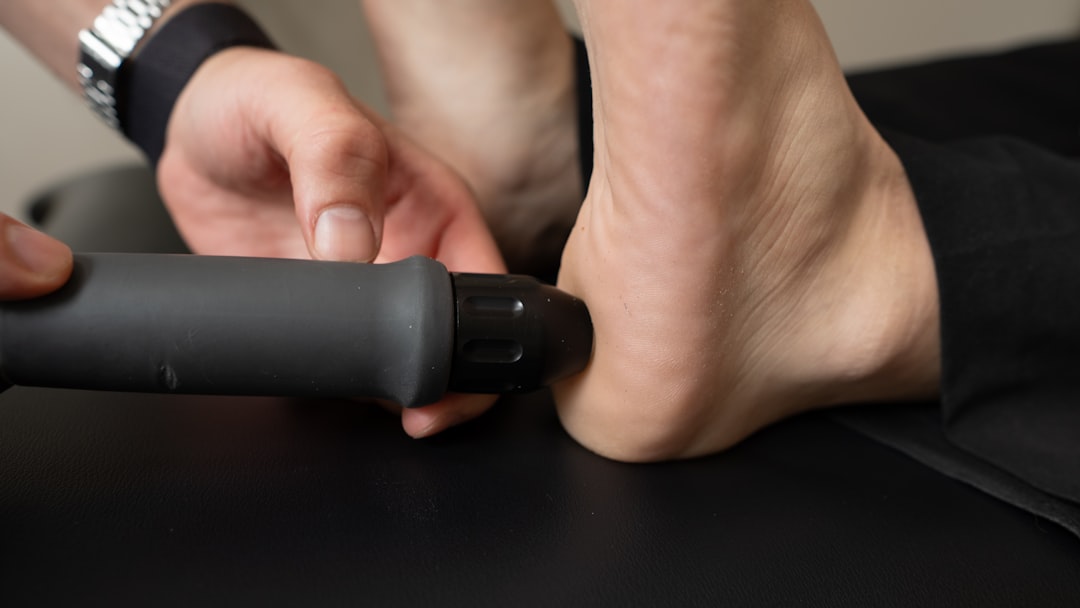
The defining technical spec of the Theragun range is its 16mm amplitude on the Pro and Elite models – meaning the attachment head travels 16mm into muscle tissue per stroke. Most budget massage guns offer just 10–12mm. This deeper reach is what separates genuine percussive therapy from glorified vibration. The Pro model delivers up to 2,400 percussions per minute across five adjustable speed settings, giving you granular control whether you’re warming up pre-session or flushing lactic acid post-run.
Rotating Arm and Ergonomic Design
One genuinely clever feature is the rotating arm found on the Elite and Pro models, which pivots into four positions. This means you can reach your upper back, shoulders, and hamstrings without contorting yourself – a real-world advantage that cheaper competitors simply don’t offer. The triangular grip handle also distributes weight well, though at around 1.3kg the Pro is noticeably heavier than rivals like the Hypervolt 2.
Therabody App Integration
Therabody’s companion app (free on iOS and Android) connects via Bluetooth and offers guided routines for specific goals – pre-workout activation, post-workout recovery, sleep preparation, and stress relief. The app automatically sets the device speed for you during guided sessions, which is a genuinely useful feature for beginners who don’t know where to start. There are over 80 guided routines according to Therabody, covering body-part-specific deep tissue massage protocols.
Battery Life and Attachments
The Theragun Pro ships with a swappable battery system – two batteries are included, each offering around 150 minutes of use. For most people, one battery per session is more than sufficient, but for professional or clinic use this is a premium touch. The device comes with six interchangeable attachment heads including the standard ball, dampener, thumb, cone, wedge, and supersoft – covering everything from general myofascial release to targeted trigger point work.
How Therabody Theragun Compares
| Feature | Theragun Pro | Hyperice Hypervolt 2 Pro | Pulseroll Mini Pro |
|---|---|---|---|
| UK Price (approx.) | £375+ | ~£299 | ~£80 |
| Amplitude | 16mm | 14mm | 10mm |
| Max Percussions/min | 2,400 | 2,700 | 3,200 |
| Rotating Arm | ✅ | ❌ | ❌ |
| Companion App | ✅ | ✅ | ❌ |
| Swappable Battery | ✅ | ❌ | ❌ |
| Included Attachments | 6 | 5 | 4 |
| Noise Level | Moderate | Quiet | Moderate |
Pros and Cons
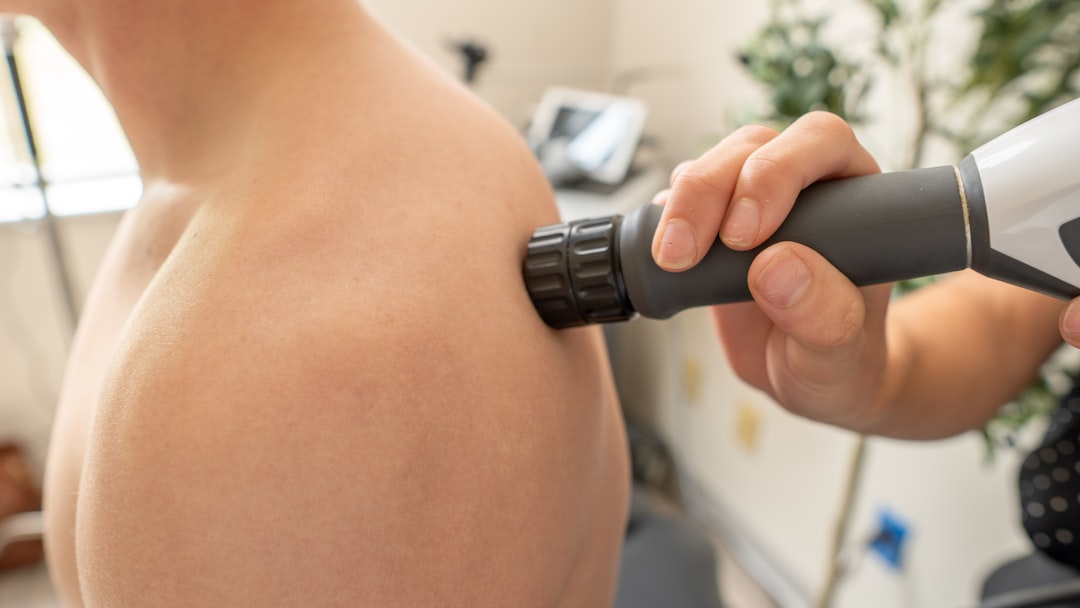
- ✅ 16mm amplitude delivers genuinely deep tissue penetration – noticeably more effective on dense muscle groups like quads and glutes than budget alternatives
- ✅ Rotating arm is a game-changer for self-treatment – reaching upper back and posterior shoulder without help is a significant practical advantage
- ✅ App-guided routines remove guesswork – 80+ protocols for pre-workout warm-up, DOMS relief, and sleep recovery make this accessible for beginners
- ✅ Swappable dual-battery system on the Pro model means zero downtime for professional users or high-frequency training blocks
- ✅ Premium build quality – the device feels robust and well-engineered, with no plasticky rattle even under sustained pressure
- ✅ Strong UK after-sales support – Therabody has a UK-specific website, local warranty support, and fast dispatch
- ✅ Force meter on Pro model displays applied pressure in real time, helping you avoid overstimulation on sensitive areas
- ❌ Expensive compared to competitors – the Pro model costs significantly more than the Hypervolt 2 Pro for marginal gains that casual users may not notice
- ❌ Heavier than rivals – at around 1.3kg, extended sessions on overhead or arm muscles can become tiring
- ❌ Noticeably louder than Hyperice models – not suitable for use in shared living spaces early in the morning or late at night without disturbing others
- ❌ App requires a Therabody account – you cannot access guided routines without creating a profile, which some users find intrusive
- ❌ Entry-level models lack the rotating arm – the Theragun Relief and Mini miss the feature that arguably justifies buying Therabody over a cheaper brand
Pricing
Therabody offers several models in the UK at varying price points. Based on current information, the range is approximately as follows:
- Theragun Relief – approx. £109–£129 (entry-level, 3 speeds, no rotating arm)
- Theragun Mini – approx. £149–£175 (compact and travel-friendly, 3 speeds)
- Theragun Elite – approx. £275–£299 (rotating arm, 5 speeds, app integration)
- Theragun Pro – approx. £375–£399 (flagship, dual battery, force meter, OLED screen)
There are no subscription fees – this is a one-time hardware purchase, and the companion app is free. Compared to the Hyperice Hypervolt 2 Pro at around £299, the Theragun Pro commands a notable premium. Whether that premium is justified depends heavily on how often you train and whether the rotating arm and swappable batteries are genuinely useful to you.
Prices change frequently, especially during Black Friday and January sales periods. Always verify current UK pricing before buying.
Who Is Therabody Theragun Best For?
Perfect For:
- Dedicated gym-goers training 4–6 times per week who experience regular DOMS and want a credible, evidence-backed recovery tool rather than a gimmick
- Runners and cyclists who need targeted myofascial release on quads, hamstrings, and calves between training sessions
- Personal trainers and coaches who want a professional-grade device to use with clients – the Pro’s build quality and brand recognition matter in this context
- Office workers with chronic muscle tightness – the app’s stress and tension protocols are genuinely well-designed for non-athletes too
- Anyone recovering from soft-tissue injuries (with physiotherapist approval) who needs controlled, consistent deep tissue stimulation as part of their rehabilitation
Not Ideal For:
- Casual exercisers training once or twice a week – a foam roller and some targeted stretching will deliver similar results at a fraction of the cost
- Budget-conscious buyers – if you’re unwilling to spend at least £175, you’ll get better value from a mid-range competitor like the Pulseroll or a Renpho device
- Light sleepers or flat-share dwellers – the noise level at higher speeds is genuinely disruptive in shared spaces
- People who dislike apps or tech integration – if you want a simple plug-and-play device with no account creation, look elsewhere
Our Verdict
Based on its published specifications, the Therabody Theragun is positioned as a premium percussive therapy device – but only if you’re going to use it consistently. The 16mm amplitude genuinely outperforms budget massage guns on dense muscle groups, the rotating arm solves a real problem that competitors ignore, and the app adds structured value that stops the device becoming a novelty. The honest caveat: if you train casually, the price is hard to justify. But for serious athletes and coaches, this is the most complete percussive therapy tool available in the UK right now.
| Value for Money | 7.5/10 |
| Features | 9/10 |
| Ease of Use | 8.5/10 |
| UK Availability | 9/10 |
| Overall | 8.5/10 |
Visit the Official Therabody UK Website →
Frequently Asked Questions
Is the Therabody Theragun worth the money?
For regular exercisers training four or more times per week, the Theragun’s superior amplitude, rotating arm, and app-guided routines justify the premium over budget massage guns. For casual gym-goers, cheaper alternatives will meet most recovery needs. The Theragun Pro in particular is better suited to athletes, coaches, and physio professionals than the everyday user.
What is the difference between the Theragun Elite and the Theragun Pro?
The Theragun Pro adds a swappable dual-battery system, an OLED screen with a built-in force meter, and a slightly more robust build. Both share the same 16mm amplitude and rotating arm. Unless you use the device for extended sessions daily or professionally, the Elite delivers around 90% of the Pro’s performance at a meaningfully lower price.
How long should you use a Theragun on one muscle group?
Therabody recommends no more than two minutes per muscle group per session according to their official guidelines. For pre-workout activation, 30 seconds is often sufficient. Overuse on a single area – particularly near joints or tendons – can cause irritation. Always follow the in-app guidance if you’re unsure, especially when using percussive therapy for the first time.
Is the Therabody Theragun good for DOMS?
Yes – percussive therapy has been shown in several sports science studies to help reduce the perception of DOMS and accelerate muscular recovery between sessions. The Theragun’s deep tissue penetration is particularly effective on large muscle groups like quads and glutes. It works best when applied within the first few hours post-exercise rather than waiting until soreness has fully set in.
Can you use a Theragun every day?
Yes, daily use is safe for most healthy adults when used correctly. Therabody designs the app routines for daily use across different protocols – morning activation, post-workout recovery, and evening relaxation. Avoid using the device directly over bones, joints, bruised tissue, or any areas of inflammation without professional guidance. If you’re in doubt, consult a physiotherapist before daily use.
Still Not Sure? Compare Your Options:
If the Therabody Theragun isn’t quite right for you, these related reviews are worth a look before you decide:
- Fitbit Review: Is the Fitness Tracker Worth It? – a great companion for tracking recovery metrics alongside your massage gun routine
- Garmin Connect Review: Is It Worth Using? – if you want to measure how your recovery data improves over time
- MacroFactor Review: Is This Nutrition App Worth It? – because optimising nutrition alongside percussive therapy can significantly accelerate your results
- Marena Compression Review — compression wear as a recovery tool alongside percussion therapy
- Is Marena Compression Wear Overrated? — compression wear versus percussion therapy for recovery