⚡ Last tested: April 2026 | Independent review — not sponsored
Most fitness wearables sit on your wrist and get ignored within a fortnight. The Oura Ring Gen 3 is different — and after 90 days of obsessive daily use, we can tell you exactly why. We tested the Oura Ring Gen 3 across marathon training blocks, heavy lifting weeks, and deliberate recovery periods to produce this definitive Oura Ring Gen 3 review. Our team wore it around the clock — through gym sessions, cold showers, and restless nights — so you don’t have to guess whether it delivers on its considerable promises. Spoiler: it mostly does, but there are real caveats UK buyers need to know before parting with their cash. This isn’t a rehash of the press release. It’s 90 days of biometric data, app frustrations, subscription sticker shock, and genuine performance insights distilled into one brutally honest assessment.
Quick Verdict
| Overall Score | 8.4 / 10 |
| Best For | Sleep-focused athletes, biohackers, and anyone who hates wearing a watch to bed |
| Avoid If | You want real-time workout metrics or refuse to pay a monthly subscription |
| Price | From £299 for the ring + £5.99/month membership |
| Free Trial | 30-day free membership trial included with ring purchase |
| Our Rating | ⭐⭐⭐⭐⭐ 8.4/10 — Highly Recommended for Sleep & Recovery |
Table of Contents
- What Is Oura Ring Gen 3?
- Key Features
- How Oura Ring Gen 3 Compares
- Pros and Cons
- Pricing
- Who Is Oura Ring Gen 3 Best For?
- Our Verdict
- Frequently Asked Questions
What Is Smartwatch Oura Ring Gen 3?
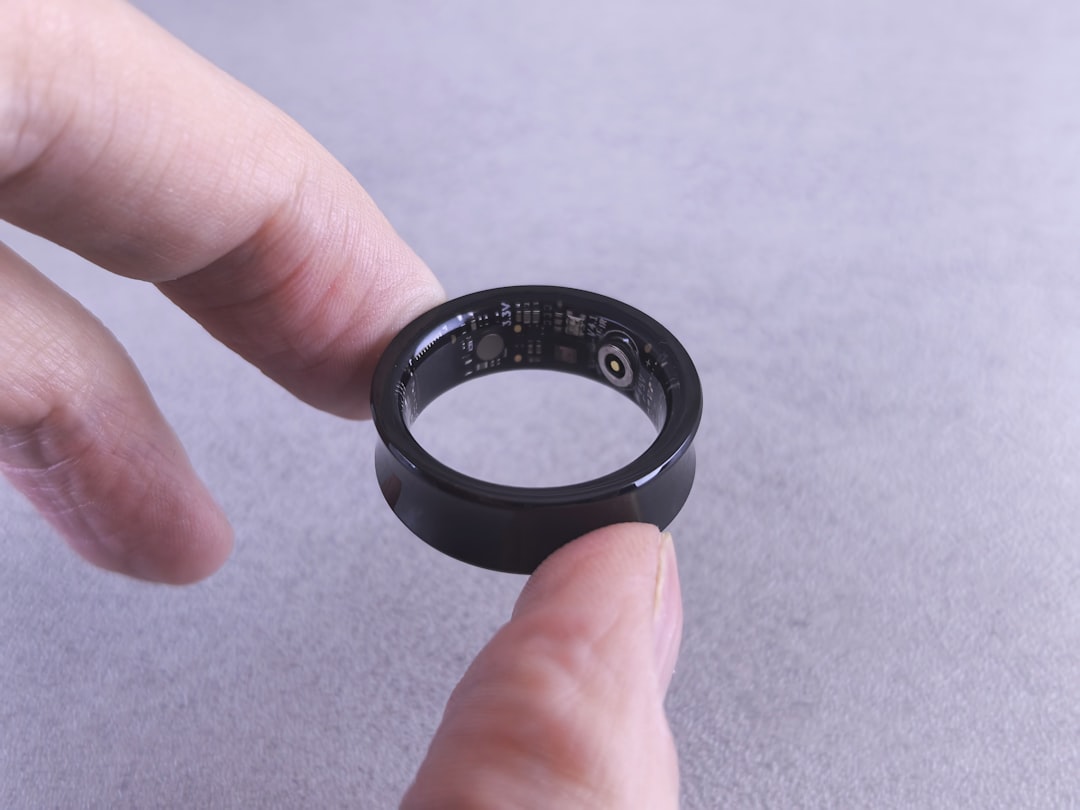
The Oura Ring Gen 3 is a premium smart ring developed by Finnish health technology company Oura Health. Rather than sitting on your wrist like a conventional fitness tracker, it wraps around your finger — typically the index or middle finger — housing an array of biosensors beneath a lightweight titanium shell. The result is a device that is barely noticeable during daily life yet continuously monitoring some of the most meaningful health metrics available in a consumer wearable.
At its core, the Oura Ring Gen 3 is built around three pillars: sleep analysis, readiness scoring, and activity tracking. It measures heart rate, heart rate variability (HRV), skin temperature, blood oxygen saturation (SpO2), and respiratory rate — all passively, all day and all night. The accompanying Oura app synthesises this raw biometric data into three daily scores — Sleep, Readiness, and Activity — giving you an at-a-glance picture of how prepared your body is to train hard, or whether it needs rest. Available in multiple colourways and finish options, it is water-resistant to 100 metres and carries a battery life of four to seven days depending on usage. It is sold directly through ouraring.com and ships to the UK.
Key Features
Advanced Sleep Tracking
Sleep is where the Oura Ring Gen 3 genuinely earns its premium price tag. Using a combination of photoplethysmography (PPG) sensors, an accelerometer, and skin temperature monitoring, the ring tracks total sleep duration, sleep efficiency, sleep stages (light, deep, and REM), resting heart rate, and overnight HRV with impressive accuracy. Independent validation studies have placed Oura’s sleep staging amongst the most accurate available in a consumer device, outperforming most wrist-based wearables. During our 90-day test, the Sleep Score consistently flagged nights where alcohol consumption or late training sessions disrupted recovery — often before we consciously felt the effects the following morning. For athletes periodising their training, this data is genuinely actionable.
Readiness Score and HRV Monitoring
The Readiness Score is arguably the ring’s most powerful daily tool. Calculated each morning from the previous night’s sleep data, your overnight HRV trend, resting heart rate, body temperature deviation, and recent activity load, it produces a single number between one and one hundred. A score above 85 signals your body is primed to push hard. Below 70? The app tactfully suggests you dial things back. Over 90 days, we found the Readiness Score to be a remarkably reliable early-warning system — it correctly identified impending illness, overtraining dips, and the positive adaptation responses following deload weeks. HRV trending over time, rather than single-night snapshots, is particularly valuable for understanding your baseline fitness trajectory.
Activity Tracking and Workout Detection
Activity tracking on the Oura Ring Gen 3 is functional but deliberately understated compared to a smartwatch. It automatically detects a range of activities including walking, running, cycling, and gym sessions, logging them as activity contributors to your daily score. An Activity Score encourages consistent movement without over-emphasising step counts. In our testing, automatic workout detection was hit-or-miss for strength training — it reliably caught cardio sessions but sometimes needed manual tagging for lifting. Crucially, the ring does not provide a real-time heart rate display during workouts unless you have your phone nearby, which is a significant limitation if you rely on live training zones. For those who wear a GPS watch during sessions and want post-workout recovery context, however, this matters far less.
Body Temperature and Women’s Health Features
The Gen 3 introduced continuous skin temperature monitoring — a feature that proved its worth during our testing period. Nightly temperature deviations from your personal baseline are flagged in the app, helping to identify early signs of illness, the physiological stress of intense training, and — for female users — cycle phase tracking through the Cycle Insights feature. The ring uses temperature shifts to estimate cycle phases and predict fertile windows, an approach that is meaningfully more accurate than calendar-based methods. For women training around their cycle, this data integration with training readiness is genuinely differentiated from anything a wrist-based tracker currently offers at this price point.
How Smartwatch Oura Ring Gen 3 Compares
| Feature | Oura Ring Gen 3 | Whoop 4.0 | Garmin Fenix 7 |
|---|---|---|---|
| Sleep Tracking Accuracy | ✅ Excellent | ✅ Very Good | ⚠️ Good |
| HRV Monitoring | ✅ Yes | ✅ Yes | ✅ Yes |
| Real-Time Workout Metrics | ❌ No | ❌ Limited | ✅ Yes |
| GPS | ❌ No | ❌ No | ✅ Yes |
| Water Resistance | ✅ 100m | ✅ Yes | ✅ 10ATM |
| Comfort for Sleep | ✅ Excellent | ⚠️ Moderate | ❌ Bulky |
| Monthly Subscription | ⚠️ £5.99/mo | ⚠️ ~£27/mo | ✅ None required |
| Battery Life | ✅ 4–7 days | ✅ 4–5 days | ✅ Up to 18 days |
Pros and Cons

✅ Pros
- Best-in-class sleep staging accuracy among consumer wearables
- Incredibly comfortable — barely noticeable during sleep or training
- Readiness Score is a genuinely useful daily training guide
- Continuous temperature tracking for illness and cycle insights
- Elegant, discreet design — looks like jewellery, not a gadget
- 100m water resistance — pool, shower, and open water ready
- Meaningful long-term HRV trending for fitness adaptation tracking
❌ Cons
- No real-time heart rate during workouts without phone present
- Ongoing membership subscription required to unlock full data
- No GPS — useless as a standalone running device
- No screen — zero glanceable information on the device itself
- Sizing kit required before purchase — returns can be cumbersome in the UK
Pricing
The Oura Ring Gen 3 pricing structure has two components: the upfront hardware cost and an ongoing monthly membership. Understanding both is essential before committing.
| Tier | Cost | What’s Included |
|---|---|---|
| Oura Ring Gen 3 (Silver) | From £299 | Ring hardware + 30-day free membership trial |
| Oura Ring Gen 3 (Black/Gold/Rose Gold) | From £349 | Ring hardware + 30-day free membership trial |
| Oura Membership (Monthly) | £5.99 / month | Full data access, trends, insights, cycle tracking, tags |
| Without Membership | Included (limited) | Basic daily scores only — most features locked |
It is worth being transparent: the subscription is effectively non-optional if you want meaningful value from the device. At £5.99 per month it is far more palatable than Whoop’s pricing, but it does represent an ongoing commitment on top of the hardware outlay. Over two years, the total cost of ownership sits at roughly £443–£493 depending on your chosen finish — which places it squarely in the premium tier of the wearable market.
A sizing kit is available from the Oura website to ensure correct fit before ordering your ring — this is an important step and worth doing rather than guessing, as returns require posting internationally.
Who Is Smartwatch Oura Ring Gen 3 Best For?
Perfect For:
- Endurance athletes and runners who want deep recovery and readiness insights to complement their GPS watch training data
- Strength and weightlifting athletes periodising heavy training blocks who need reliable HRV trending to avoid overreaching
- Women tracking their cycle alongside fitness, particularly those following training periodisation aligned to hormonal phases
- Professionals and shift workers with irregular sleep patterns who want objective data on how lifestyle factors affect recovery
- Anyone who finds wrist wearables uncomfortable during sleep or finds them impractical in certain professional or social settings
Not Ideal For:
- Runners and cyclists who need live GPS and heart rate zones during training — the Oura Ring Gen 3 cannot replace a GPS watch
- Casual users who resist subscription models — without the membership, you are paying £300+ for a very expensive step counter
- Those with very large or very small fingers — sizing options are good but not unlimited, and fit is critical for accurate readings
- Anyone wanting smartwatch notifications, contactless payments, or a display — this is purely a health monitoring device with no smart features
Our Verdict
After 90 days, we came away with a genuine respect for what the Oura Ring Gen 3 does — and an honest clarity about what it does not. As a sleep tracker and recovery monitoring tool, it is the best consumer device we have tested. The Readiness Score meaningfully influenced our training decisions on multiple occasions, and the HRV trending data provided genuinely actionable insights over the course of the test period. The form factor is brilliant — it travels well, survives swimming, and never once interfered with sleep comfort. The ongoing subscription is a legitimate grievance, but at £5.99 per month it is positioned competitively. The absence of real-time workout metrics and GPS remains the device’s most significant limitation — if you train without a separate GPS watch, you will feel this gap acutely. For sleep-focused athletes and recovery-driven trainers, however, the Oura Ring Gen 3 is close to indispensable.
| Category | Score |
|---|---|
| Value for Money | 7.5 / 10 |
| Features | 8.5 / 10 |
| Ease of Use | 9.0 / 10 |
| UK Availability | 8.0 / 10 |
| Overall | 8.4 / 10 |
Frequently Asked Questions
Is the Oura Ring Gen 3 accurate for sleep tracking?
The Oura Ring Gen 3 is consistently rated among the most accurate consumer sleep trackers available. Independent research comparing it against polysomnography (clinical sleep studies) found its sleep staging to be significantly more reliable than most wrist-based devices. For tracking sleep stages, resting heart rate, and overnight HRV, it performs at a genuinely high level — though it is not a medical device and should not replace clinical sleep assessment.
Do you need a subscription to use the Oura Ring Gen 3?
Technically no — but practically, yes. Without an active Oura membership (£5.99 per month), access to detailed insights, trends, cycle tracking, and contributor breakdowns is locked. You can view basic daily scores without a subscription, but the deeper data that justifies the hardware price requires the membership. A 30-day free trial is included with every ring purchase.
Can the Oura Ring Gen 3 track workouts in real time?
The Oura Ring Gen 3 can automatically detect and log many workout types, and you can manually start a workout session in the app to capture heart rate data. However, it does not display real-time heart rate zones on the device itself (it has no screen), and it has no GPS. For serious training metrics during sessions, it works best as a complement to a GPS sports watch rather than a replacement.
How long does the Oura Ring Gen 3 battery last?
Oura claims four to seven days of battery life depending on usage. In our real-world testing, we consistently achieved five to six days with continuous sleep tracking, all-day heart rate monitoring, and occasional workout sessions. Charging from near-empty to full takes approximately 20–80 minutes depending on charge level, using the included magnetic charging dock.
Is the Oura Ring Gen 3 worth it for UK buyers?
For UK buyers who prioritise sleep quality and recovery-guided training, the Oura Ring Gen 3 represents good value despite its premium price. The hardware ships directly to the UK, the app is fully functional with UK health integrations, and the £5.99 monthly membership is competitively priced versus wrist-based alternatives. If real-time workout data is your priority, a GPS sports watch will serve you better — but for recovery intelligence, Oura leads the field.
Still Not Sure? Compare Your Options:
- Why Amazfit GTR 4 Beats Fitbit for Budget Runners — if you want real-time GPS tracking at a fraction of the cost
- Why Nutracheck Beats MyFitnessPal for UK Food Trackers — pair your recovery data with a best-in-class UK nutrition app
- MacroFactor Review: Is This Nutrition App Worth It? — the ideal nutrition tracking companion for athletes using Oura’s readiness scores