Most fitness wearables ask you to choose between looking like a tech gadget and getting useful health data. The Withings ScanWatch is a hybrid smartwatch: an analogue watch face with health sensors inside, including an ECG and blood oxygen (SpO2) measurement. This page explains what Withings says the ScanWatch does and what to check before you buy.
It is based on Withings’ published information rather than hands-on testing. The ScanWatch is a wellness and screening device, not a diagnostic one. If you have heart symptoms or health concerns, speak to your GP or the NHS rather than relying on a watch.
Last updated: October 2026 | Independent review, not sponsored
Quick Verdict
| Best For | Health-conscious adults who want ECG and sleep data in a classic analogue-watch design |
| Avoid If | You want built-in GPS, extensive sports profiles or a large touchscreen |
| Price | Varies by model; check the current UK price on Withings (the original ScanWatch has been followed by newer models such as ScanWatch 2 and ScanWatch Nova) |
| Free Trial | No, it is a hardware purchase |
What Is the Withings ScanWatch?
The Withings ScanWatch is a hybrid smartwatch from Withings, a French health technology company. It pairs a traditional analogue watch face with health sensors for heart rate, ECG, blood oxygen and sleep, and syncs to the Withings Health Mate app.
Withings has since launched newer models, including the ScanWatch 2 and the ScanWatch Nova, so check which model you are actually looking at. The details below describe the ScanWatch range as Withings presents it, and individual specifications such as battery life and price can differ by model.
If you are weighing wearables against fitness-app ecosystems, our Garmin Connect review covers how a companion app can matter as much as the hardware.
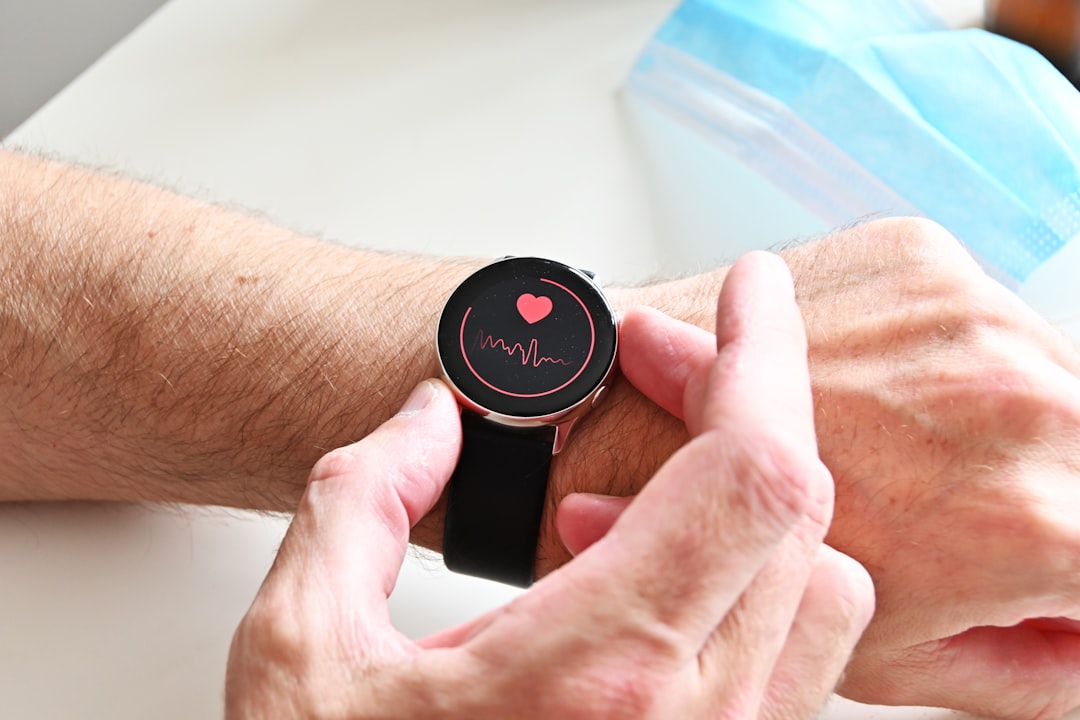
Key Features
ECG and Irregular Rhythm Screening
Withings says the ScanWatch can record a single-lead ECG, which the Health Mate app analyses for signs of atrial fibrillation (AFib). Withings also describes it as a CE-marked medical device in Europe for its ECG function. It is a screening tool, so it does not replace a professional diagnosis. Check Withings’ current page for the exact regulatory status of the model you are buying in the UK.
Blood Oxygen (SpO2) and Breathing
The watch has an optical sensor for blood oxygen saturation. Withings also lists overnight monitoring aimed at spotting breathing disturbances during sleep. Treat these as indicators to discuss with a healthcare professional if they worry you, not as a diagnosis.
Sleep Tracking
The Health Mate app presents a nightly sleep summary and a sleep score, using the watch’s heart rate and movement data. As with any wrist-worn tracker, sleep stage breakdowns are estimates rather than clinical measurements.
Activity Tracking and Battery Life
The ScanWatch records steps and workouts and can detect some activities automatically. Withings has quoted battery life of up to 30 days for ScanWatch models, but this varies by model and use, so check the figure for the one you are considering. It relies on a connected phone for GPS rather than carrying its own GPS (check this for newer models).
What the ScanWatch Offers
Competitor prices and feature ticks that could not be checked have been left out, so this table covers the ScanWatch only. If you are comparing it with a Garmin or an Apple Watch, check each maker’s current models and prices.
| Area | What Withings says |
|---|---|
| Design | Analogue watch face with a small digital display for stats |
| ECG | Single-lead ECG with AFib screening via Health Mate |
| Blood oxygen | SpO2 measurement |
| Sleep | Nightly sleep summary and score in the app |
| Battery | Up to 30 days quoted for ScanWatch models; varies by model |
| GPS | Uses your phone’s GPS (check newer models) |
| Subscription | Core health data in the app; an optional Withings+ subscription is also offered |
Pros and Cons
- ✓ Discreet design – it looks like a conventional analogue watch rather than a gadget
- ✓ ECG and SpO2 sensors – heart rhythm screening and blood oxygen in a hybrid watch
- ✓ Long quoted battery life – up to 30 days per Withings, which suits wearing it overnight for sleep tracking
- ✓ Works with iOS and Android – via the Health Mate app
- ✗ No built-in GPS on the original – runners and cyclists may want a dedicated sports watch
- ✗ Small display – limited notifications and on-wrist data compared with a full smartwatch
- ✗ Not a diagnostic device – readings are for screening and wellness, and should not replace medical advice
- ✗ Premium pricing – hybrid health watches typically cost more than basic fitness bands, so check the current price
Pricing
The ScanWatch is a one-off hardware purchase. Prices differ by model and size, and older figures quoted in earlier versions of this article were out of date, so none are repeated here. Withings also offers an optional Withings+ subscription; check what it includes and what it costs before assuming you need it.
Check the current UK price for the model you want on Withings’ website.
Who Is the Withings ScanWatch Best For?
Perfect For:
- Health-conscious adults who want ECG and SpO2 features without a bulky smartwatch
- People who dislike daily charging and want a watch that can be worn overnight for sleep tracking
- Android users who want an ECG-capable watch (Health Mate works on iOS and Android)
Not Ideal For:
- Runners and cyclists who want built-in GPS and detailed training metrics
- Anyone wanting a full smartwatch with apps and a large touchscreen
- Anyone seeking a medical diagnosis – speak to your GP or the NHS about symptoms
Our Verdict
On the published feature set, the Withings ScanWatch range is aimed at people who want health-focused sensors in a conventional watch design. The trade-offs are the small display, limited sports features and a premium price. Check which model is current, confirm the UK price, and treat the ECG and SpO2 readings as screening information rather than a diagnosis.
Frequently Asked Questions
Does the Withings ScanWatch work with Android phones?
Withings says the Health Mate app is available for iOS and Android. Check the Withings compatibility page for your phone before buying.
Is the Withings ScanWatch ECG medically approved?
Withings describes the ScanWatch ECG as CE-marked in Europe for screening for signs of atrial fibrillation. It is a screening tool and does not replace a professional diagnosis, so speak to your GP or the NHS about any heart symptoms.
How long does the Withings ScanWatch battery last?
Withings has quoted up to 30 days for ScanWatch models. The figure varies by model and how you use the watch, so check the specification for the model you are buying.
Does the Withings ScanWatch require a subscription?
Withings offers an optional Withings+ subscription. Check Withings’ current pages for exactly which features need it and which are available without paying.
Which Withings ScanWatch should I buy?
The original ScanWatch has been followed by newer models such as the ScanWatch 2 and the ScanWatch Nova. Compare current models and UK prices on Withings’ website.
Still Not Sure? Compare Your Options:
- Garmin Connect Review – how the Garmin ecosystem handles training and health data
- Why Amazfit GTR 4 Beats Fitbit for Budget Runners – a different type of wearable with built-in GPS
- Theragun Review – percussion massage as a recovery tool