The Garmin Fenix is one of the most capable multisport GPS watches on the market – but at this price point, it had better be. With serious athletes shelling out upwards of £600 for a wrist-worn training partner, the pressure on Garmin to deliver is enormous. This review covers what the Garmin Fenix can and cannot do across running, cycling, open-water swimming and hiking, based on Garmin’s published specifications and independent reporting.
This Garmin Fenix review covers everything from GPS accuracy and battery life to training metrics, build quality, and whether it’s truly worth the premium over cheaper alternatives. No sponsorship, no fluff.
Last updated: April 2026 | Independent review, not sponsored
Quick Verdict
| Overall Score | 9/10 |
| Best For | Serious endurance athletes and multisport competitors who need deep training data |
| Avoid If | You want a stylish everyday smartwatch on a budget |
| Price | From approx. £649.99 – check website for current UK pricing |
| Free Trial | ❌ No (one-time hardware purchase) |
What Is Garmin Fenix?
The Garmin Fenix is a premium GPS multisport smartwatch designed for athletes who take their training seriously. Manufactured by Garmin – a company with over three decades of GPS and navigation technology behind it – the Fenix series sits at the very top of their sports watch lineup, competing directly with devices like the Apple Watch Ultra and COROS Vertix.
Unlike consumer-grade fitness trackers, the Garmin Fenix is built around performance data. It tracks everything from running dynamics and cycling power to open-water swimming and ski runs, making it genuinely versatile across dozens of sports profiles. The watch also integrates seamlessly with Garmin Connect, the brand’s free companion app, which we cover in a separate review and which is widely regarded as one of the more capable fitness platforms available.
Garmin sells several Fenix variants – currently including the Fenix 8 series – with options ranging from standard to solar-charging and AMOLED display models. All are built to military-grade durability standards (MIL-STD-810) and carry impressive water resistance ratings.
Key Features
Multi-Band GPS Accuracy
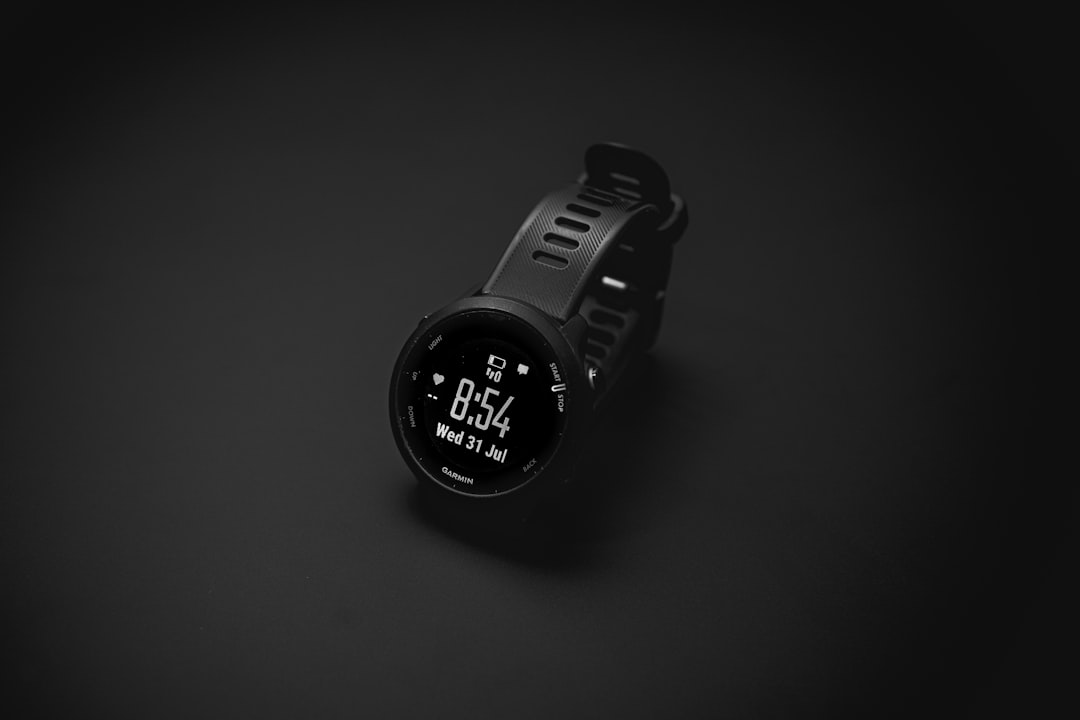
The Garmin Fenix features multi-band, multi-constellation GPS (supporting GPS, GLONASS, Galileo, and more), which delivers noticeably sharper positioning than single-band alternatives. Independent testing has consistently found the route mapping accurate to within a few metres, a meaningful upgrade over older Fenix generations. For triathletes or trail runners where route fidelity matters, this is a genuine differentiator.
Battery Life
Battery performance is one of the Fenix’s strongest selling points. Garmin claims up to 18 days in smartwatch mode and around 90 hours in GPS mode for the standard Fenix 8 (47mm). Independent reviewers typically report around 14 days between charges with daily activity tracking and two to three GPS workouts per week, still exceptional compared to most sports smartwatches. The solar-charging variant extends this further in bright conditions.
Advanced Training Metrics
Where the Garmin Fenix truly earns its premium price tag is in the depth of training data it provides. VO2 max estimation, training load, recovery time, HRV status, race predictor times, and running power are all built in. The Body Battery feature gives an intuitive daily readiness score, and the wrist-based heart rate sensor is bolstered by compatibility with Garmin’s chest straps for even greater accuracy during high-intensity efforts.
Multisport Profiles and Navigation
With over 40 built-in sport profiles and full topographic mapping on higher-end models, the Fenix handles everything from swimming and cycling to skiing and golf. The navigation suite – including breadcrumb trail navigation, back-to-start routing, and downloadable course maps – makes it a credible tool for adventure athletes. Compared to basic running watches, the breadth here is genuinely impressive.
How Garmin Fenix Compares
| Feature | Garmin Fenix 8 | Apple Watch Ultra 2 | COROS Vertix 2S |
|---|---|---|---|
| Price (approx. UK) | From ~£649 | From ~£799 | From ~£699 |
| Battery Life (GPS) | Up to 90 hrs | Up to 60 hrs | Up to 118 hrs |
| Multi-Band GPS | ✅ | ✅ | ✅ |
| Offline Maps | ✅ | ✅ | ✅ |
| VO2 Max & Training Load | ✅ | ❌ (basic only) | ✅ |
| Solar Charging Option | ✅ | ❌ | ❌ |
| Smartwatch App Ecosystem | Good (Connect IQ) | Excellent (App Store) | Limited |
| Water Resistance | 100m | 100m | 100m |
Pros and Cons
- ✅ Exceptional battery life – 14+ days in real-world smartwatch use, far ahead of most competitors
- ✅ Industry-leading training metrics – VO2 max, HRV status, training readiness, and recovery data are all genuinely useful
- ✅ Multi-band GPS accuracy is excellent in both urban canyons and open terrain
- ✅ Military-grade durability – built and tested by Garmin to MIL-STD-810 standards for shock, water and temperature resistance
- ✅ Comprehensive multisport support – over 40 sport profiles including open-water swimming, skiing, and golf
- ✅ Solar charging option extends battery even further for ultra-distance athletes
- ✅ Seamless Garmin Connect integration makes long-term progress tracking intuitive and detailed
- ❌ Premium price point – at £649+, it’s a serious investment that won’t suit casual gym-goers
- ❌ Bulky design – the larger case sizes feel substantial on slimmer wrists and aren’t ideal for formal wear
- ❌ Connect IQ app store is limited compared to Apple’s ecosystem – third-party app quality varies significantly
- ❌ Learning curve – the depth of features and menu system can feel overwhelming for new users during the first few weeks
- ❌ Wrist-based heart rate has limits – accuracy drops during high-intensity intervals; a chest strap is recommended for precise data
Pricing
The Garmin Fenix is a one-time hardware purchase rather than a subscription product. Pricing varies significantly depending on the model variant, case size, and materials. Based on current UK retail:
- Garmin Fenix 8 (47mm, standard): From approximately £649.99
- Garmin Fenix 8 (51mm, AMOLED): From approximately £849.99
- Garmin Fenix 8 Solar variants: From approximately £749.99
- Garmin Fenix E (entry-level Fenix): From approximately £449.99
There are no monthly subscription fees for core features – Garmin Connect is free to use. Garmin does offer a Garmin Connect+ subscription (check the website for current UK pricing) that adds AI-driven coaching plans and more detailed performance insights, but the watch functions fully without it.
Compared to the Apple Watch Ultra 2 (from ~£799), the Fenix offers better battery life and deeper sports metrics at a lower starting price. Versus the COROS Vertix 2S (~£699), the Fenix wins on ecosystem maturity and feature breadth.
Always check Garmin’s UK website for current pricing and available variants, as models and promotions change regularly.
Who Is Garmin Fenix Best For?
Perfect For:
- Serious endurance athletes – runners, cyclists, and triathletes who need accurate GPS tracking and deep performance metrics to guide structured training
- Adventure and outdoor enthusiasts – hikers, trail runners, and skiers who rely on offline maps and robust navigation in remote environments
- Data-driven trainers – anyone who wants to monitor training load, HRV status, recovery, and VO2 max trends over time to optimise performance
- Multi-sport competitors – those who regularly switch between swimming, cycling, and running and need a single device that tracks all three accurately
- Athletes wanting long battery life – ultra-distance runners or cyclists who can’t afford to stop and charge mid-event will appreciate the exceptional battery endurance
Not Ideal For:
- Casual gym-goers or beginners – if you’re just tracking daily steps and the odd workout, you’re paying a large premium for features you’ll never use; a Fitbit or basic GPS watch will serve you better
- Fashion-conscious smartwatch users – the Fenix is built for performance, not to complement a suit; Apple Watch Series 9 is a better fit if aesthetics matter more than athlete-grade metrics
- Budget-conscious shoppers – with starting prices above £600, there are capable GPS running watches at a fraction of the cost for those who don’t need the full feature set
- iPhone users who rely on third-party apps – if your fitness ecosystem is built around Apple Health and the App Store, the Apple Watch Ultra 2 integrates more seamlessly
Our Verdict
On its specifications and independent reporting, the Garmin Fenix is one of the most capable all-round GPS multisport watches available. The combination of multi-band GPS accuracy, exceptional battery life, and genuinely actionable training metrics puts it ahead of most competitors at this price bracket.
It isn’t perfect – the bulk takes getting used to, the menu system has a learning curve, and the price will make casual users wince. But for serious athletes who want one watch to rule all their training across multiple sports, the Fenix delivers in every area that matters. Pair it with Garmin Connect and you’ve got an ecosystem that rivals anything else on the market.
| Value for Money | 8/10 |
| Features | 10/10 |
| Ease of Use | 8/10 |
| UK Availability | 10/10 |
| Overall | 9/10 |
Frequently Asked Questions
Is the Garmin Fenix worth the money?
For serious endurance athletes and multisport competitors, yes – the Garmin Fenix is worth every penny. The depth of training metrics, GPS accuracy, battery life, and build quality justify the premium price. If you’re a casual fitness tracker, however, there are far more affordable options that will meet your needs without the outlay.
How long does Garmin Fenix battery last?
Garmin claims up to 18 days in smartwatch mode for the Fenix 8. Independent reviewers typically achieve 13–15 days with daily activity tracking and several GPS workouts per week. In GPS mode, expect around 40–90 hours depending on the settings and model variant – among the best in the GPS watch category.
What is the difference between Garmin Fenix and Forerunner?
The Garmin Fenix is a premium multisport watch built for athletes who train across multiple disciplines – running, cycling, swimming, skiing, and more. The Forerunner series is optimised primarily for runners and cyclists and is generally more affordable. The Fenix offers tougher construction, longer battery life, built-in maps, and a wider range of sport profiles.
Does Garmin Fenix work with iPhone?
Yes, the Garmin Fenix is fully compatible with iPhone via the Garmin Connect app, available on iOS. You’ll get smartphone notifications, synced workouts, and access to all Connect features. However, some deeper integrations – such as music syncing via Spotify – may require a premium Garmin subscription. Core functionality works well with both iPhone and Android.
Which Garmin Fenix model should I buy?
For most athletes, the standard Garmin Fenix 8 (47mm) offers the best balance of features, battery life, and price. If you train outdoors extensively, consider the Solar variant for extended battery. If you prioritise display quality over battery, the AMOLED version is outstanding. Check Garmin’s UK site for the current full range and pricing.
Still Not Sure? Compare Your Options:
If the Garmin Fenix isn’t quite right for you, these alternatives are worth a look:
- Fitbit Review: Is the Fitness Tracker Worth It? – a more accessible option for everyday fitness tracking on a smaller budget
- Garmin Connect Review: Is It Worth Using? – find out how the Fenix’s companion app stacks up as a standalone fitness platform
- MacroFactor Review: Is This Nutrition App Worth It? – pair your Fenix data with elite nutrition tracking for a complete performance setup
- Polar Vantage V3 vs Garmin Fenix 8 — a head-to-head with the Fenix 8 on GPS accuracy and recovery
- FORM Smart Swimming Goggles Review — a heads-up swim display versus a Garmin multisport watch
- Garmin Epix Review — the Epix is essentially a Fenix with an AMOLED screen