⚡ Last tested: April 2026 | Independent review — not sponsored
Most fitness apps give you a generic plan and hope for the best. Whura claims to do something smarter. We tested Whura over several weeks to bring you this honest, in-depth Whura review. As an AI-powered strength training app that builds personalised workouts around your available equipment and current fitness level, Whura promises a genuinely adaptive experience — not just a template with your name slapped on it. We put it through its paces across home gym sessions, hotel room workouts, and fully equipped commercial gyms across the UK. What we found surprised us in more ways than one. There are genuine strengths here that you won’t read about in the usual puff pieces — and there are real weaknesses that the marketing conveniently glosses over. Whether you’re a seasoned lifter or just getting started, this review gives you the full, unvarnished picture.
Quick Verdict
| Overall Score | 7.8 / 10 |
| Best For | Self-directed lifters who train across different environments |
| Avoid If | You want guided video coaching or a social community |
| Price | Free tier available; premium from approx. £8.99/month |
| Free Trial | Yes — no credit card required |
| Our Rating | ⭐⭐⭐⭐ (7.8/10) |
Table of Contents
- What Is Whura?
- Key Features
- How Whura Compares
- Pros and Cons
- Pricing
- Who Is Whura Best For?
- Our Verdict
- Frequently Asked Questions
What Is Whura?
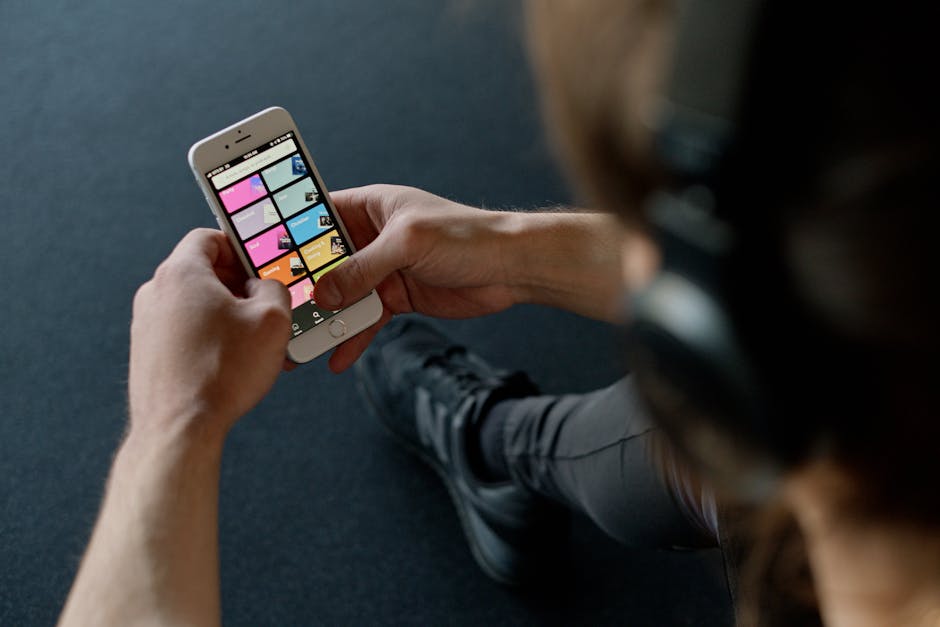
Whura is an AI-powered strength training application designed to remove one of the most frustrating barriers in fitness: the one-size-fits-all workout plan. Rather than presenting you with a static programme, Whura asks you upfront about the equipment you have access to, your current fitness level, your training goals, and how many days per week you can realistically commit. It then generates a personalised strength training plan tailored specifically to your answers — and, crucially, continues to adapt as you progress.
The app is built for flexibility. Whether you’re training in a fully-kitted commercial gym, working with a few dumbbells in your spare room, or squeezing in a bodyweight session in a hotel room while travelling for work, Whura recalibrates accordingly. It’s available on both iOS and Android, and the web interface is clean and straightforward. For UK users specifically, the app works seamlessly without any of the region-locking issues that plague some US-centric fitness platforms. It’s a genuinely promising concept — and for the most part, the execution backs it up.
Key Features
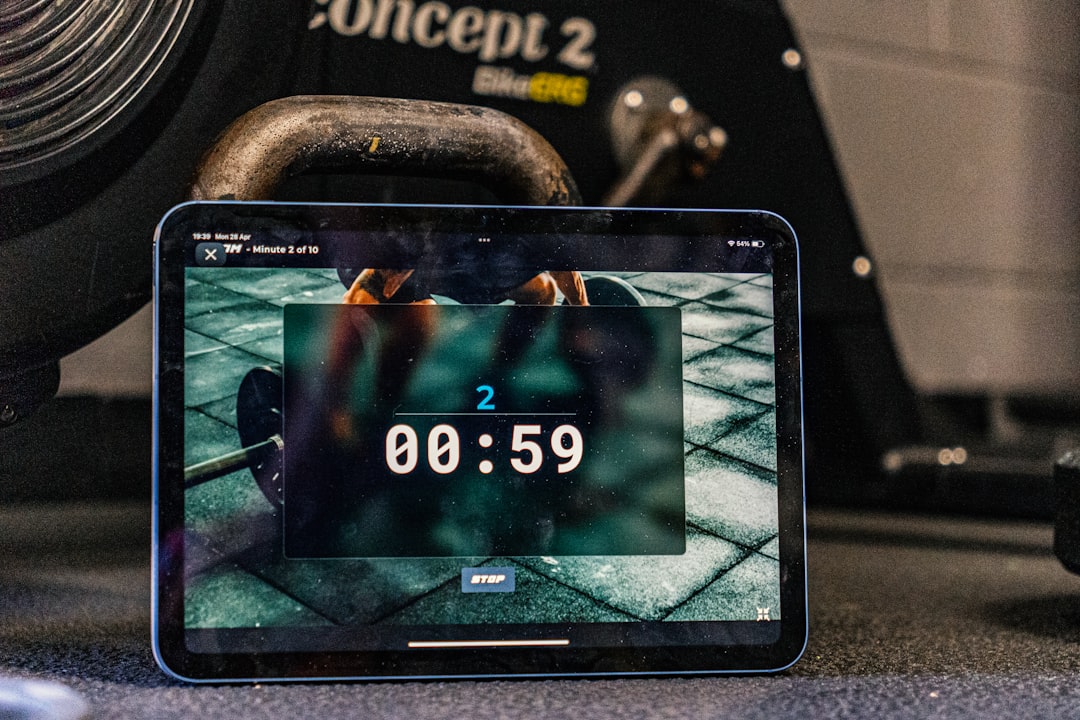
AI-Driven Workout Generation
The headline feature is the AI engine that sits at the heart of Whura. When you first set up your profile, the app runs you through a detailed intake questionnaire covering everything from your available equipment to your injury history and primary training goals. The resulting workout plan feels genuinely bespoke — not just a standard push/pull/legs split with a few exercises swapped out. As you log sessions and provide feedback, the AI adjusts volume, intensity, and exercise selection accordingly. In our testing, this adaptive quality was one of the most impressive aspects of the platform.
Equipment-Aware Programming
One of Whura’s most practically useful features is its ability to programme around whatever equipment you actually have. Tell it you only have a pair of adjustable dumbbells and a pull-up bar, and it won’t suggest barbell squats. Change your equipment list before a session — say, because you’re travelling — and the app will instantly regenerate your workout to match. This makes Whura genuinely useful for frequent travellers and people who split their training between a commercial gym and a home setup.
Progressive Overload Tracking
Whura monitors your logged weights, reps, and sets over time and uses this data to recommend progressive overload — the fundamental principle behind long-term strength gains. When you’re ready to push further, the app nudges you to increase the load or add a rep. This isn’t revolutionary on its own, but the way Whura integrates it into the AI’s broader decision-making gives it more nuance than a simple “add 2.5kg” rule. For intermediate lifters who’ve outgrown beginner apps, this is a meaningful differentiator.
Session Logging and Performance History
The in-session logging interface is clean and fast to use — you can record your sets in seconds without navigating through multiple menus. Performance history is displayed in easy-to-read charts showing your progress on individual lifts over time. Rest timers are built in and customisable. It’s nothing revolutionary, but it’s executed well, and in practice that matters more than flashy gimmicks.
How Whura Compares
| Feature | Whura | Hevy | Dr. Muscle |
|---|---|---|---|
| AI-Personalised Programming | ✅ | ❌ | ✅ |
| Equipment-Aware Workouts | ✅ | ❌ | ✅ |
| Free Tier Available | ✅ | ✅ | ❌ |
| Video Exercise Demonstrations | ❌ | ✅ | ✅ |
| Social / Community Features | ❌ | ✅ | ❌ |
| Progressive Overload Automation | ✅ | ❌ | ✅ |
| iOS & Android Support | ✅ | ✅ | ✅ |
| Wearable Integration | ❌ | Limited | ❌ |
Pros and Cons

✅ Pros
- Genuinely adaptive AI that improves as it learns your training patterns
- Excellent equipment flexibility — ideal for home gym users and frequent travellers
- Clean, intuitive interface with minimal loading friction during sessions
- Progressive overload recommendations are data-driven, not just generic rules
- Free tier is actually usable — not just a bait-and-switch demo
- Works well across both iOS and Android without significant feature disparity
❌ Cons
- No video demonstrations for exercises — a real gap for beginners
- No social or community features whatsoever
- Limited wearable and third-party app integrations
- The AI can occasionally suggest odd exercise pairings that an experienced coach wouldn’t
- Customer support response times can be slow based on user reports
Pricing
Whura operates on a freemium model, which is genuinely appreciated in a market where many competitors paywall even the most basic features. Here’s what you get at each tier:
| Plan | Price | What’s Included |
|---|---|---|
| Free | £0 | Basic AI workout generation, session logging, limited history |
| Premium Monthly | ~£8.99/month | Full AI personalisation, unlimited history, progressive overload tracking, priority features |
| Premium Annual | ~£59.99/year (~£5/month) | Everything in Monthly, significantly reduced per-month cost |
Pricing is competitive for the UK market, particularly the annual plan which undercuts many rivals. Always check the Whura website directly for the most current pricing, as rates can change and introductory offers are occasionally available.
Who Is Whura Best For?
Perfect For:
- Home gym owners with limited or variable equipment — Whura’s equipment-aware programming is tailor-made for people who don’t have access to a full rack of barbells and machines.
- Frequent business travellers — The ability to quickly reconfigure workouts around a hotel gym’s sparse selection is genuinely useful and saves the mental effort of improvising.
- Intermediate lifters who’ve outgrown beginner programmes — If you’ve finished your first novice linear progression and want intelligent next steps, Whura’s AI adapts more meaningfully than static plans.
- Self-directed people who don’t need hand-holding — If you already know your lifts and just want smart programming and tracking, the lack of video demos won’t bother you at all.
- Budget-conscious UK users — The annual plan is strong value, and the free tier is genuinely useful rather than deliberately crippled.
Not Ideal For:
- Complete beginners who need form guidance — Without video demonstrations, newcomers who don’t know the difference between a Romanian deadlift and a stiff-leg deadlift could easily ingrain bad habits.
- People motivated by community and social accountability — There are no friend lists, leaderboards, or challenge features. If social motivation keeps you consistent, look elsewhere.
- Endurance athletes or those focused on cardio — Whura is built for strength training. Runners, cyclists, and swimmers will find little of use here.
- Users heavily invested in wearable data — If you want your Garmin or Apple Watch data to feed seamlessly into your workout decisions, Whura’s current integrations will frustrate you.
Our Verdict
After several weeks of hands-on testing, our Whura review conclusion is broadly positive — with important caveats. Whura does the hard thing well: its AI genuinely personalises programming in a way that feels meaningfully different from cookie-cutter apps, and the equipment flexibility is outstanding for a market full of gym-centric alternatives. For self-sufficient, intermediate UK lifters who train across different environments, it’s one of the better options available at this price point. However, the absence of video exercise guidance is a real limitation that will put off beginners, and the lack of any social or community features feels like a missed opportunity. If you fall into the target audience, Whura is well worth trying — especially given the free tier requires no payment details upfront.
| Category | Score |
|---|---|
| Value for Money | 8.0 / 10 |
| Features | 7.5 / 10 |
| Ease of Use | 8.5 / 10 |
| UK Availability | 8.0 / 10 |
| Overall | 7.8 / 10 |
Get Started with Whura Today →
Frequently Asked Questions
Is Whura free to use?
Yes — Whura offers a genuine free tier that includes basic AI workout generation and session logging without requiring payment details. The free plan has limitations compared to premium, particularly around workout history and the depth of AI personalisation, but it’s a solid way to trial the core experience before committing to a subscription.
How does Whura’s AI personalise workouts?
During onboarding, Whura collects data on your available equipment, training history, fitness goals, and how many days per week you can train. Its AI uses this to generate a tailored strength training plan. As you log sessions and the app tracks your performance over time, it continues to adapt — adjusting volume, intensity, and exercise selection based on your actual progress rather than a fixed schedule.
Does Whura work if you only have home gym equipment?
Absolutely — this is arguably where Whura shines most. You can specify exactly what equipment you own, whether that’s a single pair of dumbbells, a set of resistance bands, or a full power rack, and the AI will programme appropriately. You can also update your equipment list before any given session, making it ideal for travelling or switching between home and gym environments.
Is Whura suitable for beginners?
Whura can work for beginners in terms of providing a structured programme, but there’s an important limitation: the app doesn’t currently include video exercise demonstrations. If you’re new to strength training and unsure about proper technique for exercises like Romanian deadlifts or overhead pressing, you’d need to supplement Whura with external resources. More experienced lifters or those already familiar with the movements will find it much more immediately useful.
How does Whura compare to Hevy or Dr. Muscle?
Hevy is primarily a logging and tracking app with community features but without AI programming — better for those who want to self-programme and connect socially. Dr. Muscle, like Whura, offers AI-driven progressive overload programming but generally sits at a higher price point and lacks a true free tier. Whura strikes a balance between intelligent personalisation and accessible pricing, particularly for UK users.
Still Not Sure? Compare Your Options:
- I Used Brute Force Training for 90 Days — Here’s the Brutal Truth — another AI-driven strength programme put through its paces over a full training block
- MacroFactor Review: Is This Nutrition App Worth It? — pair your Whura training with smarter nutrition tracking
- Why Amazfit GTR 4 Beats Fitbit for Budget Runners — if you want wearable data to complement your training app