⚡ Last tested: April 2026 | Independent review — not sponsored
If you’ve been searching for a rock climbing training app that actually understands the sport, Climbfit has probably landed on your radar. Most generic fitness apps treat climbing like an afterthought — slapping a few pull-up routines together and calling it “climbing training.” Climbfit takes a different approach entirely, building its programme around sport-specific strength, mobility, and endurance work that climbers actually need.
We tested Climbfit extensively to bring you this honest Climbfit pricing review, cutting through the marketing noise to tell you whether it genuinely delivers value for climbing enthusiasts in the UK. We looked at the subscription tiers, the quality of the workout plans, the user experience, and — crucially — whether the cost stacks up against the competition. Spoiler: it’s more nuanced than a simple yes or no.
Quick Verdict
| Overall Score | 7.8 / 10 |
| Best For | Intermediate to advanced climbers wanting structured, sport-specific training |
| Avoid If | You’re a complete beginner or primarily a casual climber |
| Price | Free tier available; premium subscription from approx. £8–£12/month |
| Free Trial | Yes — limited free access available |
| Our Rating | ⭐⭐⭐⭐ (4/5) |
Table of Contents
- What Is Climbfit?
- Key Features
- How Climbfit Compares
- Pros and Cons
- Pricing
- Who Is Climbfit Best For?
- Our Verdict
- Frequently Asked Questions
What Is Climbfit?
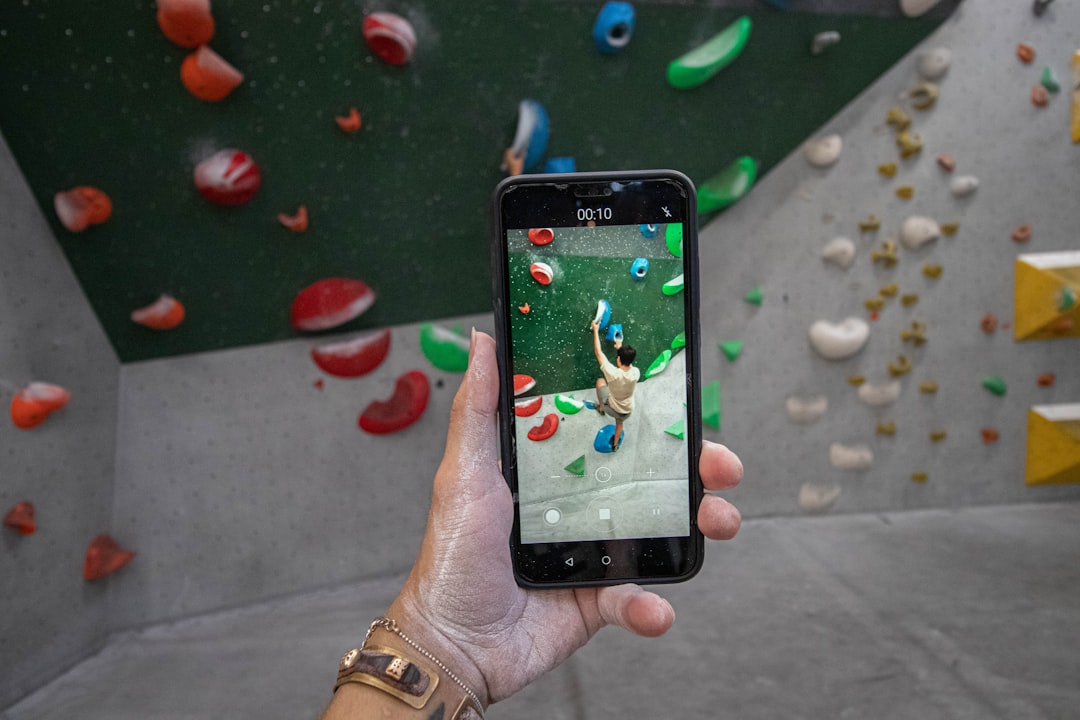
Climbfit is a dedicated rock climbing training application designed to help climbers of all levels build the strength, flexibility, and endurance required to improve their grade. Unlike generic fitness platforms that simply repurpose gym-based workouts, Climbfit structures its programmes around the biomechanical demands of climbing — think antagonist muscle training, finger tendon conditioning, hip mobility, and footwork drills.
The app is built for use both at home and in the gym, with exercises that can be performed on a hangboard, campus board, or with minimal equipment. It caters to boulderers, sport climbers, and traditional climbers alike, offering periodised training blocks that progress intelligently over weeks and months.
Climbfit has developed a loyal following within the UK climbing community, particularly amongst those training at indoor walls who want a more structured approach than simply turning up and projecting routes. The platform positions itself as a coach-in-your-pocket — and for the most part, it lives up to that promise, provided you’re willing to invest in the premium tier.
Key Features
Sport-Specific Workout Plans
Climbfit’s workout library is genuinely impressive in its specificity. Rather than generic upper-body strength circuits, you’ll find programmes targeting the precise muscle groups and movement patterns used in climbing. Pull strength, lock-off endurance, lat engagement, and wrist stability all feature prominently. Plans are periodised across multiple weeks, building volume before tapering for performance peaks — a level of structure rarely found in climbing apps at this price point.
Hangboard and Fingerboard Integration
One of Climbfit’s standout features is its hangboard training module. The app provides structured finger strength protocols with guidance on edge depth, hang duration, rest periods, and progression. Given that finger injuries are the bane of every serious climber’s existence, the conservative, evidence-informed approach to tendon loading here is genuinely reassuring. There’s also built-in rest day guidance to prevent overtraining — a feature many competitors ignore entirely.
Mobility and Injury Prevention Content
Climbfit goes beyond pure strength training by including dedicated mobility and prehabilitation routines. Hip flexor work, shoulder health exercises, and thoracic mobility drills are all incorporated as standalone sessions and as warm-up sequences. For UK climbers who spend long hours hunched over desks before evening wall sessions, this content is surprisingly practical and well-curated.
Progress Tracking and Analytics
The app allows users to log workouts, track completed sessions, and monitor progression across key metrics such as maximum hang weight and pull-up volume. Whilst the analytics dashboard is functional rather than flashy, it provides enough data to keep motivated and to identify when a plateau is emerging. A more detailed performance graph would be welcome, but the core tracking functionality is solid for the price.
How Climbfit Compares
| Feature | Climbfit | Lattice Training | Crimpd |
|---|---|---|---|
| Climbing-specific workouts | ✅ | ✅ | ✅ |
| Hangboard training module | ✅ | ✅ | ✅ |
| Personalised coaching | ❌ | ✅ | ❌ |
| Free tier available | ✅ | ❌ | ✅ |
| Mobility and prehab content | ✅ | ✅ | ❌ |
| Beginner-friendly onboarding | ❌ | ✅ | ✅ |
| UK GBP pricing | ✅ | ✅ | ❌ |
| Progress analytics dashboard | ✅ | ✅ | ❌ |
Pros and Cons

✅ Pros
- Genuinely sport-specific programming — not rehashed gym content
- Excellent hangboard and finger strength protocols
- Solid mobility and injury prevention content
- Periodised plans that build intelligently over time
- Free tier lets you evaluate before committing
- Reasonably priced compared to a human climbing coach
❌ Cons
- Not well suited to complete beginners to climbing
- Analytics dashboard lacks depth compared to premium competitors
- No live or on-demand video coaching feature
- Limited community or social features for accountability
- Outdoor-specific technique guidance is minimal
Pricing
Understanding the Climbfit pricing structure is straightforward, though it’s worth noting that prices may vary slightly depending on your platform (iOS vs Android) and any promotional periods running at the time of purchase.
Free Tier
Climbfit offers a limited free plan that gives you access to a selection of workouts and introductory training content. It’s genuinely useful for getting a feel for the app’s approach, but you’ll hit the content ceiling fairly quickly if you’re training seriously. Consider it a solid extended trial rather than a long-term solution.
Premium Monthly Subscription
The premium plan — which unlocks the full workout library, all periodised training blocks, the hangboard module, and progress tracking — is priced at approximately £8–£12 per month on a rolling monthly basis. This puts it comfortably in the mid-range for fitness apps, and well below the cost of even a single session with a dedicated climbing coach.
Annual Subscription
Opting for an annual plan brings the per-month cost down considerably, typically to the equivalent of £6–£8 per month when billed annually. For anyone committed to a full training cycle, the annual plan represents the best value by some margin. Many climbers find that a single training season justifies the subscription cost through grade improvement alone.
Prices are subject to change — always confirm the current rate before subscribing.
Who Is Climbfit Best For?
Perfect For:
- Intermediate climbers (V4–V7 / 6b–7b) who’ve plateaued and need structured training to break through their current grade ceiling.
- Regular indoor wall visitors who want more than just volume sessions and are ready to introduce periodised strength work.
- Home trainers with a hangboard or campus board who need a structured programme rather than randomly pulling on edges.
- Injury-conscious climbers who want evidence-informed finger loading protocols and prehabilitation work built into their programme.
- Self-coached athletes who want coach-quality programming without the coach-level price tag of bespoke online coaching.
Not Ideal For:
- Absolute beginners who’ve been climbing for less than six months — the onboarding assumes a working knowledge of climbing movement and basic gym exercises.
- Casual climbers who visit the wall once a fortnight for the social experience and aren’t interested in structured progression.
- Those seeking live coaching or video feedback on their technique — Climbfit is a self-directed training tool, not a coached service.
- Climbers primarily focused on outdoor trad or alpine disciplines where route reading, gear placement, and mental game are more critical than sport-specific gym fitness.
Our Verdict
After thorough testing, our Climbfit pricing review lands firmly in positive territory — with caveats. For the right user, this is genuinely one of the better-value training tools available to UK climbers today. The sport-specific programming is thoughtful, the hangboard protocols are evidence-informed, and the periodisation structure sets it well apart from generic fitness apps that have simply bolted on a “climbing” category.
Where it falls short is in depth of analytics, beginner accessibility, and the lack of any social or community layer. These aren’t dealbreakers for its target audience, but they’re worth factoring in. If you’re an intermediate climber serious about progression, the monthly cost is extremely easy to justify. If you’re unsure, start with the free tier.
| Category | Score |
|---|---|
| Value for Money | 8.0 / 10 |
| Features | 7.5 / 10 |
| Ease of Use | 7.8 / 10 |
| UK Availability | 8.0 / 10 |
| Overall | 7.8 / 10 |
Get Started with Climbfit Today →
Frequently Asked Questions
Is Climbfit suitable for beginner climbers?
Climbfit is best suited to climbers with at least six to twelve months of experience who already have a grounding in basic movement and gym exercises. Complete beginners may find the programming assumes too much existing knowledge. That said, the free tier allows you to explore the content before committing, so it’s worth trying to see whether the level suits you.
How much does Climbfit cost per month in the UK?
Climbfit’s premium subscription costs approximately £8–£12 per month on a rolling monthly basis. Choosing an annual plan reduces this to roughly £6–£8 per month when spread across the year. Pricing may vary by platform and during promotional periods, so it’s worth checking the app directly for the most current rates before subscribing.
Does Climbfit have a free trial?
Yes — Climbfit offers a free tier that provides access to a selection of workouts and introductory content. This is a genuine way to evaluate the app’s approach before committing to a paid subscription. The free content is limited, but sufficient to judge whether the programming style and exercise selection suits your training needs and current level.
Can you use Climbfit without a hangboard?
Yes, Climbfit includes bodyweight and gym-based workout options that don’t require a hangboard. However, to make the most of the finger strength and specific tendon conditioning modules — which are among the app’s strongest features — access to a hangboard or fingerboard is strongly recommended for intermediate and advanced climbers serious about progression.
How does Climbfit compare to Crimpd and Lattice Training?
Climbfit sits comfortably between Crimpd and Lattice Training in terms of depth and price. Crimpd is more accessible for beginners but lighter on periodisation. Lattice Training offers more sophisticated assessment and personalised coaching but at a considerably higher price point. For self-directed intermediate climbers wanting structured programming without bespoke coaching costs, Climbfit represents strong value in the middle ground.
Still Not Sure? Compare Your Options:
- I Used Brute Force Training for 90 Days — Here’s the Brutal Truth — another honest look at whether structured training apps justify their cost
- Les Mills On Demand Review: Is It Worth It? — a broader fitness app comparison if you’re weighing up general training platforms
- MacroFactor Review: Is This Nutrition App Worth It? — if you want to complement your climbing training with smarter nutrition tracking