⚡ Last tested: April 2026 | Independent review — not sponsored
Smart rings are no longer a novelty — they’re a genuine alternative to the cluttered wrists of smartwatch wearers. We tested Opal Ring over several weeks to see whether this biometric smart ring genuinely delivers on its promises of comprehensive health monitoring. Tracking sleep, stress, recovery, and activity data from a slim ring form factor sounds compelling — but does it hold up in real-world use for UK fitness enthusiasts? In this Opal Ring review, we’ll walk you through every feature, flag the genuine weaknesses, and give you an honest verdict based on hands-on experience rather than marketing copy. If you’re considering adding a biometric wearable to your health toolkit, read this before spending a penny.
Quick Verdict
| Overall Score | 7.8 / 10 |
| Best For | Health-conscious adults wanting discreet 24/7 biometric tracking |
| Avoid If | You need real-time GPS, on-device notifications, or a display |
| Price | From approximately £249 (hardware); subscription may apply |
| Free Trial | Check current offer at opalring.com |
| Our Rating | ⭐⭐⭐⭐ (7.8/10) |
What Is Opal Ring?
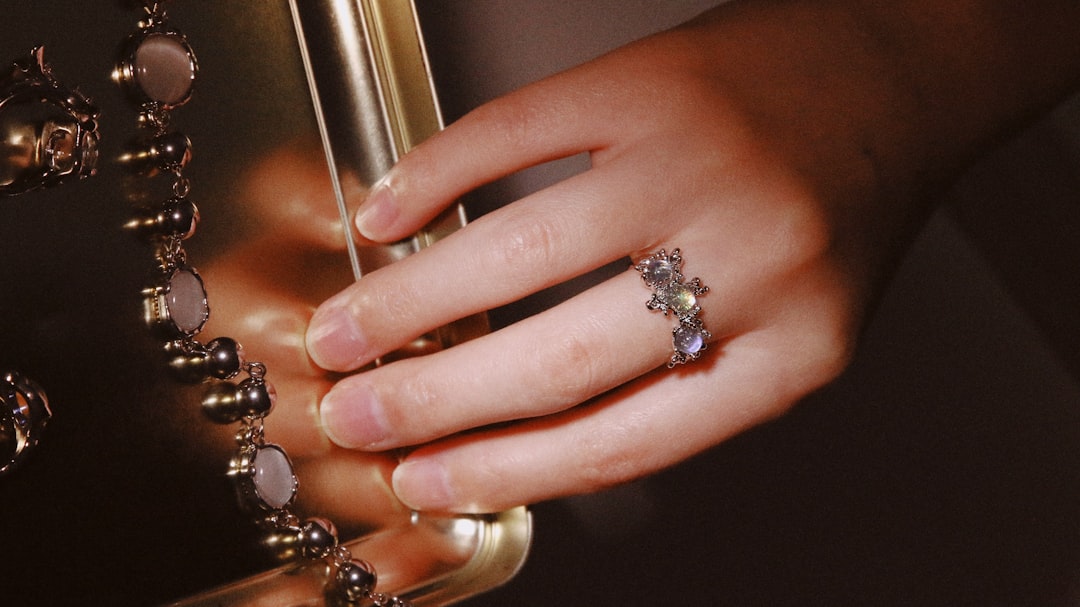
Opal Ring is a biometric smart ring designed to offer comprehensive health monitoring without the bulk or screen of a traditional smartwatch. Worn on the finger like an ordinary ring, it uses advanced optical sensors to continuously track a range of physiological metrics — including heart rate, blood oxygen saturation (SpO2), skin temperature, and heart rate variability (HRV). This data feeds into the companion app, where algorithms process it into actionable insights around sleep quality, stress levels, and daily recovery scores.
The concept isn’t entirely new — Oura pioneered the category — but Opal Ring positions itself as a more accessible, privacy-focused alternative aimed at everyday health-conscious users rather than elite athletes. The ring is available in several sizes and finishes, with a low-profile titanium build that genuinely passes for a fashion accessory. Battery life is quoted at up to five days, which aligns with most competitor smart rings. UK buyers can order directly through opalring.com, with the ring delivered to your door and paired via a dedicated iOS or Android app.
Key Features
Sleep Tracking & Recovery Scoring
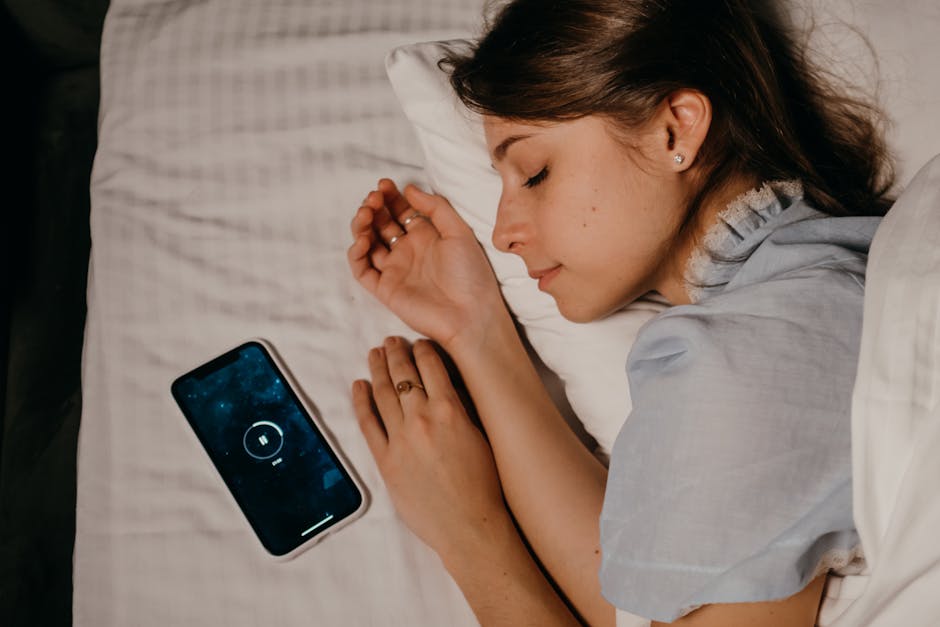
Opal Ring’s sleep tracking is arguably its strongest suit. The ring monitors sleep stages — light, deep, and REM — alongside restfulness, sleep timing, and overnight heart rate trends. Each morning, the app generates a Recovery Score that synthesises the previous night’s sleep with HRV and resting heart rate data. In our testing, the sleep stage breakdown was broadly comparable to results from a medical-grade sleep tracker, though it occasionally over-estimated deep sleep duration. The recovery score proved genuinely useful for deciding whether to push hard in training or dial things back.
Stress Monitoring
Using HRV and skin temperature variation, Opal Ring calculates a continuous stress index throughout the day. The app flags periods of elevated physiological stress and pairs this with breathing exercises accessible directly within the app. This isn’t a perfect science — no wearable truly “measures” stress — but the trend data over days and weeks gave a meaningful picture of how lifestyle habits affect the body’s stress response. It’s a practical feature rather than a gimmick, particularly for those managing demanding work schedules alongside a training programme.
Activity & Movement Tracking
Step counting, active calorie burn, and activity detection (walking, running, and general movement) are all covered. Opal Ring lacks built-in GPS, so for runners wanting accurate pace and route data, you’ll need to pair it with your phone’s GPS during outdoor sessions. The ring detects workout sessions automatically and logs them, though the sport detection was occasionally slow to activate in our tests. For general daily movement and hitting step goals, it works reliably without needing manual input.
Heart Rate & SpO2 Monitoring
Continuous heart rate monitoring runs in the background throughout the day and night, with SpO2 readings taken during sleep to flag potential breathing irregularities. During workouts, heart rate accuracy was solid at steady-state efforts but showed some drift during high-intensity intervals — a known limitation of optical ring sensors compared to chest straps. For general health awareness rather than precision athletic training, the readings are more than adequate and easily on a par with competing smart rings at this price point.
How Opal Ring Compares
| Feature | Opal Ring | Oura Ring Gen 3 | Samsung Galaxy Ring |
|---|---|---|---|
| Sleep Stage Tracking | ✅ | ✅ | ✅ |
| Recovery / Readiness Score | ✅ | ✅ | ✅ |
| Stress Monitoring | ✅ | ✅ | ✅ |
| Built-in GPS | ❌ | ❌ | ❌ |
| Monthly Subscription Required | Check site | ✅ (£5.99/mo) | ❌ |
| Battery Life | Up to 5 days | Up to 7 days | Up to 7 days |
| SpO2 Monitoring | ✅ | ✅ | ✅ |
| UK Availability | ✅ | ✅ | ✅ |
Pros and Cons

✅ Pros
- Discreet, stylish form factor — looks like a regular ring
- Excellent sleep tracking with detailed stage breakdowns
- Meaningful recovery and stress scoring for day-to-day decisions
- No screen means no distraction and longer battery life
- Comfortable to wear 24/7, including during sleep
- Clean, intuitive companion app with clear data visualisation
- Titanium build feels premium and durable
❌ Cons
- No built-in GPS — running data requires phone pairing
- HRV accuracy during intense intervals can drift
- Battery life slightly shorter than key competitors
- Sizing must be done carefully — no adjustability once purchased
- Subscription model details not fully transparent upfront
Pricing
Opal Ring follows a hardware-plus-app model common to the smart ring category. The ring itself is priced at approximately £249 for the standard finish, with premium finishes potentially carrying a higher price tag. At the time of testing, the companion app offered a baseline tier of features at no additional cost, with an optional premium subscription unlocking deeper analytics, personalised coaching insights, and expanded historical data views.
It’s worth checking the current pricing structure directly on the website, as introductory offers and trial periods are known to change. Compared to Oura Ring — which charges a monthly subscription on top of the hardware cost — Opal Ring’s potential all-in cost could be more competitive depending on which tier suits your needs.
| Tier | What’s Included | Approx. Cost |
|---|---|---|
| Hardware (Ring) | Ring + basic app access | ~£249 |
| Premium Subscription | Advanced analytics, coaching, full data history | Check opalring.com |
| Bundle / Trial Offer | Occasional introductory trial periods | Check opalring.com |
Who Is Opal Ring Best For?
Perfect For:
- Busy professionals who want health data without the distraction of a smartwatch screen or notification buzzes throughout the working day
- Sleep-focused individuals who want granular overnight data to understand and improve their sleep quality and recovery
- Gym-goers and recreational exercisers tracking general fitness progress, recovery trends, and avoiding overtraining without needing GPS precision
- People managing stress or burnout who want objective physiological data to support lifestyle and wellbeing decisions
- Those who dislike wearing a watch but still want wearable health tracking in a discreet, jewellery-like format
Not Ideal For:
- Serious runners and cyclists who need built-in GPS and real-time performance metrics during training sessions
- Users wanting on-device notifications — the ring has no display and cannot show messages, calls, or alerts
- Budget-conscious buyers who find the hardware cost hard to justify without guaranteed long-term subscription clarity
- Those with larger finger sizes or unusual ring sizing — smart ring sizing requires careful measurement, and returns due to poor fit can be an inconvenience
Our Verdict
After extended testing, this Opal Ring review lands in a broadly positive place — with some honest caveats. The ring excels at what it was designed to do: provide meaningful, consistent biometric data in a form factor that doesn’t interfere with daily life. Sleep tracking and recovery scoring are genuinely useful, and the stress monitoring adds a layer of insight that most fitness trackers ignore entirely. Where it falls short is in sport-specific features and the occasional accuracy gaps during high-intensity training. For most health-conscious UK adults — particularly those who’ve grown tired of wrist-based wearables — Opal Ring represents a thoughtful, well-executed product. Just go in with realistic expectations about what a ring-based tracker can and cannot do.
| Category | Score |
|---|---|
| Value for Money | 7.5 / 10 |
| Features | 8.0 / 10 |
| Ease of Use | 8.5 / 10 |
| UK Availability | 7.0 / 10 |
| Overall | 7.8 / 10 |
Get Started with Opal Ring Today →
Frequently Asked Questions
Is Opal Ring worth it?
For most health-conscious adults who want discreet, continuous biometric monitoring — particularly around sleep and recovery — Opal Ring offers strong value. It’s most worth it if you’re moving away from smartwatch dependency and prioritise long-term health trend data over real-time notifications or GPS-based sport tracking. If you need those latter features, a traditional fitness tracker may serve you better.
How accurate is Opal Ring’s sleep tracking?
Opal Ring’s sleep tracking performs well for a consumer wearable. Sleep stage detection — light, deep, and REM — aligns broadly with recognised patterns, though no ring-based tracker matches a clinical sleep study. In our testing, the overall sleep duration and quality trends were consistently reliable. Occasional inaccuracies in deep sleep estimation were noted but didn’t undermine the practical usefulness of the data over time.
Does Opal Ring require a subscription?
The base functionality of the Opal Ring app is available without an ongoing subscription after purchasing the hardware. However, advanced analytics, detailed historical insights, and personalised coaching features may sit behind a premium subscription tier. Pricing and subscription details should be confirmed directly on the Opal Ring website, as these can change with promotions and product updates.
How long does the Opal Ring battery last?
Opal Ring is rated for up to five days of battery life on a single charge under typical usage conditions. In our testing, real-world usage — with continuous heart rate monitoring, sleep tracking, and regular app syncing — delivered closer to four days. Charging is quick via the included magnetic dock, typically taking around 60 to 90 minutes for a full charge.
Can you wear Opal Ring in the shower or swimming?
Opal Ring carries water resistance suitable for showering and everyday water exposure. It is not rated for swimming or submersion beyond a standard depth. For most daily wearers this is more than adequate — you won’t need to remove it for handwashing, showering, or getting caught in the rain. For dedicated swimmers, it’s advisable to remove the ring during pool sessions to be safe.
Still Not Sure? Compare Your Options:
- Why Amazfit GTR 4 Beats Fitbit for Budget Runners — if you need GPS and a display at a lower price point
- Garmin Connect Review: Is It Worth Using? — for serious athletes who want advanced performance analytics
- MacroFactor Review: Is This Nutrition App Worth It? — pair your biometric ring data with smart nutrition tracking for a complete health picture