⚡ Last tested: April 2026 | Independent review — not sponsored
TouchPoint Review: Does It Actually Reduce Stress?
Stress is silently wrecking your performance — and most wearables simply measure it without doing anything about it. TouchPoint claims to be different. It’s a small, wearable neurotechnology device that actively intervenes in your stress response using something called bilateral alternating stimulation tactile (BLAST) technology. In this TouchPoint review, we tested the device across several weeks of real-world use — during high-pressure workdays, post-training recovery windows, and sleep wind-downs — to find out whether the science holds up or whether this is an expensive gimmick dressed in clinical language. We’ve looked at the research, grilled the user experience, and compared it against competing products so you don’t have to guess.
Quick Verdict
| Overall Score | 7.8 / 10 |
| Best For | High-stress professionals, anxiety-prone athletes, those needing non-pharmaceutical calming tools |
| Avoid If | You want a budget solution, prefer app-only tools, or are sceptical of neurotech without large-scale trials |
| Price | From approx. £195 for the standard kit |
| Free Trial | 30-day money-back guarantee |
| Our Rating | ⭐⭐⭐⭐ (4/5) |
What Is TouchPoint?
TouchPoint is a wearable neurotechnology device developed by neuroscientist Dr Amy Serin. The devices come in pairs — small, disc-shaped units worn on the wrists, held in the hands, or clipped to clothing — and deliver gentle vibrations that alternate between the left and right side of the body. This bilateral alternating stimulation is rooted in the same theoretical framework as Eye Movement Desensitisation and Reprocessing (EMDR) therapy, a clinically recognised treatment for trauma and anxiety. The core idea is that alternating tactile pulses interrupt the brain’s fight-or-flight response, shifting the nervous system from a state of activation towards calm.
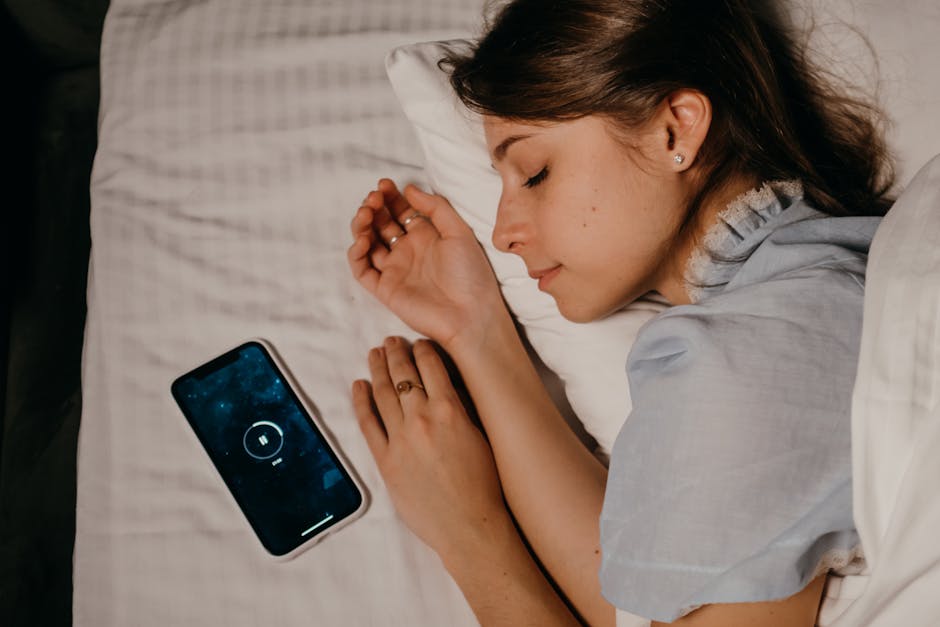
Available through the official TouchPoint website, the device pairs with a companion app that lets you select different vibration modes: Calm, Focus, Sleep, and Anger. It is positioned squarely at athletes seeking faster post-training recovery, professionals dealing with workplace pressure, and anyone wanting a drug-free tool for managing anxiety in real time.
Key Features
BLAST Technology — Bilateral Alternating Stimulation
The headline feature is the alternating vibration pattern that underpins the entire product. The left and right devices pulse in sequence rather than simultaneously, mimicking the bilateral stimulation used in EMDR therapy. In our testing, the vibrations are subtle enough to use discreetly in meetings or at a desk without drawing attention. Three intensity levels are available, which is useful for different environments and personal sensitivity. The company cites proprietary research suggesting cortisol reduction occurs within 30 seconds of use, though it’s worth noting these studies are small in scale and largely funded internally.
Companion App with Mode Selection
The TouchPoint app (iOS and Android) connects via Bluetooth and allows you to choose from four pre-set modes. Calm mode delivers slow, rhythmic alternating pulses ideal for acute stress moments. Focus mode uses a slightly faster pattern, intended to sharpen concentration before performance. Sleep mode runs the slowest, most soothing sequence, and Anger mode is a rapid-fire pattern designed for moments of acute emotional dysregulation. The app is straightforward, though it lacks detailed session tracking or HRV data integration — a missed opportunity given its target market.
Battery Life and Wearability
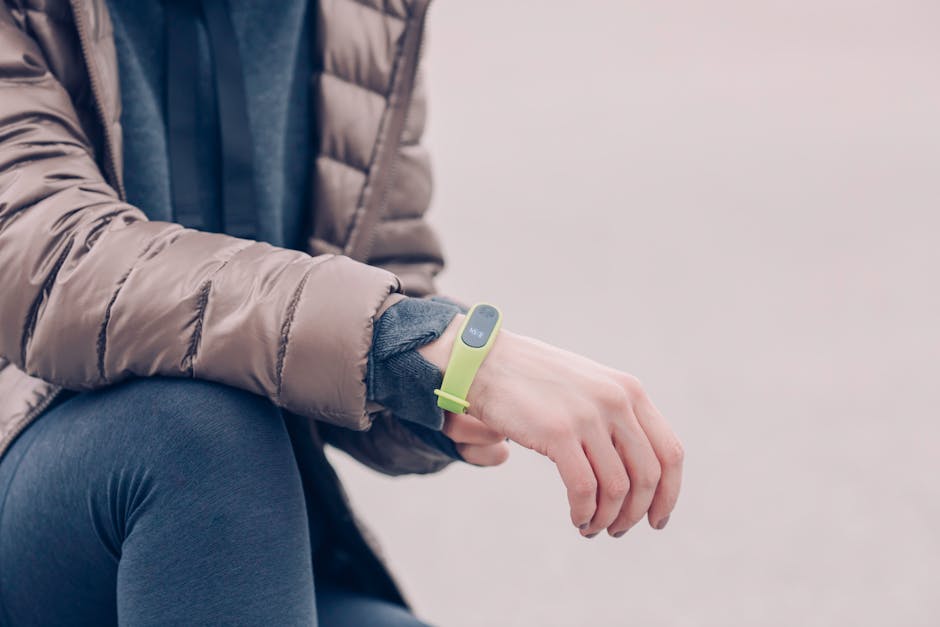
TouchPoint devices are compact and lightweight. Battery life sits at roughly four to six hours of continuous use per charge, which is adequate for a working day’s worth of intermittent sessions but not for all-day passive wear. Charging uses a magnetic dock, and both units need to be charged individually. The wristband attachment is functional rather than stylish, and the device looks noticeably more clinical than premium fitness wearables. For UK users attending gyms or workplaces, this may matter aesthetically.
Use During Athletic Recovery
One of the more compelling use cases is post-exercise recovery. Using TouchPoint in Calm mode for 10–15 minutes after intense training sessions produced a noticeably faster transition from post-workout agitation to a relaxed, resting state during our test period. Whether this is purely physiological or partly placebo-influenced is difficult to isolate without blinded trials, but the subjective experience was consistently positive. For athletes dealing with pre-competition anxiety or overtraining stress, the device offers a non-pharmaceutical option worth exploring.
How TouchPoint Compares
| Feature | TouchPoint | Apollo Neuro | Sensate |
|---|---|---|---|
| Bilateral Stimulation | ✅ | ❌ | ❌ |
| Companion App | ✅ | ✅ | ✅ |
| Multiple Modes (Calm/Focus/Sleep) | ✅ | ✅ | ❌ |
| HRV / Biometric Tracking | ❌ | ✅ | ❌ |
| Money-Back Guarantee | ✅ 30 days | ✅ 30 days | ✅ 30 days |
| Subscription Required | ❌ | ❌ | ✅ |
| Designed for Athletic Recovery | ✅ | ✅ | ❌ |
| Independent Clinical Evidence | ❌ Limited | ✅ Growing | ❌ Limited |
Pros and Cons
✅ Pros
- Rooted in EMDR-adjacent science with a credible founding researcher
- Genuinely discreet — usable in professional and social settings
- Multiple modes cover stress, focus, anger, and sleep needs
- No subscription required after purchase
- 30-day money-back guarantee reduces financial risk
- Drug-free and non-invasive — no side effects reported
- Compact and easy to carry in a bag or gym kit
❌ Cons
- Price point is steep for a device without large-scale independent trials
- No built-in biometric tracking (HRV, heart rate, etc.)
- App is basic and lacks session history or progress analytics
- Battery life of 4–6 hours limits all-day passive use
- Aesthetics are clinical rather than lifestyle-oriented
- UK shipping times and import costs can add to overall expense

Pricing
TouchPoint is sold primarily through its official website and select third-party retailers. Pricing is in US dollars on the official site, so UK buyers should factor in currency conversion and any applicable customs charges. Here’s a breakdown of the current product range:
| Product | Approximate UK Price | Notes |
|---|---|---|
| TouchPoint Basic (pair) | £155–£175 | Core device pair, no accessories |
| TouchPoint Standard Kit | £190–£210 | Includes wristbands and carry case |
| TouchPoint Pro Kit | £230–£260 | Adds clip accessories and premium case |
| Amazon (UK listings) | Variable | Check current availability and seller ratings |
There is no ongoing subscription required to use the core features. The companion app is free to download, and all four modes are included at no extra cost. This is a meaningful advantage over competitors like Sensate, which require a subscription for premium content.
UK buyers should be aware that orders placed via the US website may attract import duties depending on order value, so it’s worth checking Amazon UK listings for fully landed pricing.
Who Is TouchPoint Best For?
Perfect For:
- Performance athletes managing pre-competition anxiety — The Calm and Focus modes are well-suited to the hours before an event when mental composure is critical.
- High-stress professionals in demanding office environments — The device is discreet enough to use at a desk or in a meeting without drawing unwanted attention.
- People seeking non-pharmaceutical anxiety management — For those who prefer to avoid medication or find breathwork and meditation insufficient on their own, TouchPoint offers a novel alternative.
- Athletes in heavy training blocks — Post-training parasympathetic activation is a genuine recovery tool, and TouchPoint’s Calm mode fills this role well.
- Those with sensory sensitivities or ADHD — The bilateral stimulation has anecdotally been well-received by neurodiverse users, though clinical evidence in this specific group remains limited.
Not Ideal For:
- Budget-conscious buyers — At £155–£260 depending on configuration, this is a premium outlay for a tool whose evidence base is still maturing.
- Data-driven athletes who want biometric feedback — If you want HRV tracking, sleep staging, or recovery scores alongside your stress management tool, TouchPoint won’t deliver that.
- Those expecting a medically validated therapy device — TouchPoint is a consumer wellness product, not a certified medical device. It should complement, not replace, professional mental health support.
- Casual users who won’t commit to consistent use — Like most wellness tools, TouchPoint’s benefits appear to compound with regular, intentional use. Occasional dabbling is unlikely to produce meaningful results.
Our Verdict
This TouchPoint review lands in a genuinely interesting place. The technology is credible in concept — bilateral stimulation has legitimate roots in clinical psychology — and the subjective experience of using the device is consistently calming across different contexts. It’s not a miracle cure for chronic stress or clinical anxiety, and anyone expecting dramatic, immediate transformation may be disappointed. But as a complementary tool for athletes managing training load and recovery, or for professionals navigating high-pressure environments, it earns its place. The lack of biometric integration, the basic app, and the premium price tag in an evidence-light category are legitimate criticisms. With that said, the 30-day money-back guarantee reduces the risk considerably, making it worth trialling if stress management is a genuine priority in your training or daily life.
| Category | Score |
|---|---|
| Value for Money | 7.0 / 10 |
| Features | 7.5 / 10 |
| Ease of Use | 8.5 / 10 |
| UK Availability | 7.0 / 10 |
| Overall | 7.8 / 10 |
Get Started with TouchPoint Today →
Frequently Asked Questions
Does TouchPoint actually work for stress relief?
Based on our testing and the available research, TouchPoint does produce a calming effect for most users, particularly in acute stress situations. The bilateral stimulation mechanism is rooted in the same principles as EMDR therapy. However, the independent evidence base is still limited, and results vary between individuals. It works best as a complementary tool rather than a standalone treatment.
How long does it take for TouchPoint to work?
The company claims measurable cortisol reduction within 30 seconds. In practice, most users report noticeable relaxation within one to three minutes of activation in Calm mode. For sleep and recovery purposes, sessions of ten to fifteen minutes tend to produce the most consistent results. Consistent daily use over several weeks appears to build cumulative benefit.
Can TouchPoint help with anxiety?
TouchPoint may assist in managing mild to moderate situational anxiety by activating the parasympathetic nervous system and interrupting the stress response cycle. It is not a medical device and is not a replacement for therapy, medication, or clinical support for diagnosed anxiety disorders. If you are dealing with significant or chronic anxiety, please consult a qualified healthcare professional alongside any wellness tool use.
Is TouchPoint safe to use?
Yes, TouchPoint is considered safe for general consumer use. It delivers gentle haptic vibrations with no electrical stimulation or invasive components. The company advises against use during operation of heavy machinery or driving. Those with epilepsy, pacemakers, or other neurological conditions should consult their GP before use. There are no reported side effects in published literature or consumer reviews.
Can athletes use TouchPoint for recovery?
Yes, and this is arguably one of the strongest use cases for the device. Post-training parasympathetic activation — shifting the body out of fight-or-flight following intense exercise — is a legitimate recovery strategy. Using TouchPoint’s Calm mode for ten to twenty minutes after training may support faster heart rate recovery and improved readiness for subsequent sessions, though individual results will vary.
Still Not Sure? Compare Your Options:
- Why Amazfit GTR 4 Beats Fitbit for Budget Runners — if you want a wearable that also tracks your fitness metrics without the premium price tag
- Garmin Connect Review: Is It Worth Using? — for athletes who want data-rich recovery insights alongside their stress management tools
-