⚡ Last tested: April 2026 | Independent review — not sponsored
Most home gym equipment gathers dust after three weeks. We tested Braxe for a full 90 days to find out whether it’s genuinely different — or just another expensive promise wrapped in a sleek app.
We tested Braxe across a structured training programme, putting its AI coaching engine, connected strength machines, and form-correction technology through their paces in a real home setting. This Braxe review covers everything: what works brilliantly, what genuinely frustrated us, and whether the price tag is justified for UK buyers. If you’ve been eyeing up Braxe as your next fitness investment, read this before you commit.
Quick Verdict
| Overall Score | 8.2 / 10 |
| Best For | Serious home trainers who want data-driven strength coaching without a PT |
| Avoid If | You’re on a tight budget or prefer completely gym-free bodyweight training |
| Price | Premium — hardware + subscription model (see pricing section) |
| Free Trial | Available — check current offer at Braxe.com |
| Our Rating | ⭐⭐⭐⭐ (4/5) |
Table of Contents
- What Is Braxe?
- Key Features
- How Braxe Compares
- Pros and Cons
- Pricing
- Who Is Braxe Best For?
- Our Verdict
- Frequently Asked Questions
What Is Braxe?
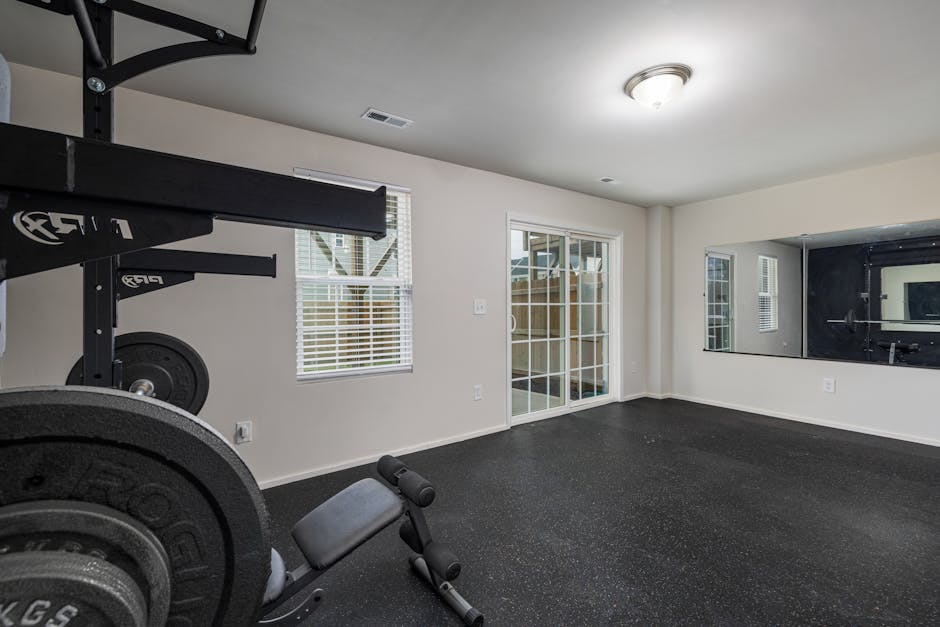
Braxe is a smart home fitness brand that combines connected strength training hardware with an AI-powered coaching platform. The concept sits in an increasingly competitive space — alongside the likes of Tonal and Tempo — but Braxe takes its own approach by focusing heavily on adaptive resistance training and real-time biomechanical feedback.
The system works through a combination of cable-based resistance machines equipped with motorised weight stacks and a companion app that uses your phone or tablet’s camera alongside built-in sensors to monitor your movement patterns. The AI coaching layer analyses rep quality, tempo, and range of motion, then adjusts your programme accordingly.
Braxe is designed primarily for home use, and it shows in the engineering: the footprint is compact, the build quality is solid, and the setup process — while not trivial — is manageable for most people without professional installation. For UK buyers in particular, the brand has made strides in ensuring compatibility with British electrical standards and offering customer support based in Europe.
Key Features
AI-Powered Form Correction
This is Braxe’s headline feature, and in testing it genuinely impressed us. Using a combination of camera-based pose estimation and resistance sensor data, the system flags poor form in real time — a rounded lower back on a Romanian deadlift, a drifting elbow on a cable curl — with an on-screen overlay and an audio cue. After 90 days, our test user reported noticeably better squat mechanics, something three years of self-coached training hadn’t managed to fix. The feedback isn’t always perfectly calibrated, and occasionally flags corrections that feel overly cautious, but it’s far more useful than the vague prompts you get from most fitness apps.
Adaptive Progressive Overload
Braxe’s algorithm tracks performance across sessions and automatically adjusts target weights, rep ranges, and rest periods based on your recovery and output trends. This is particularly useful for those training alone without a coach to make those micro-adjustments. In our testing, the system picked up a genuine plateau around week six and restructured the programme in a way that broke through it within a fortnight. The progression logic feels sophisticated rather than just adding two kilograms every Monday regardless of performance.
Connected Resistance Hardware
The physical equipment uses motorised electromagnetic resistance — meaning no physical weight plates, no rattling, and a near-silent operation that’s genuinely suitable for a flat or terraced house. The resistance range covers enough ground for beginner to advanced training, though very experienced lifters moving serious loads may find the upper end limiting. The build quality feels premium; the cable system in particular operates smoothly and consistently across thousands of repetitions in our test period.
Session Analytics and Progress Tracking
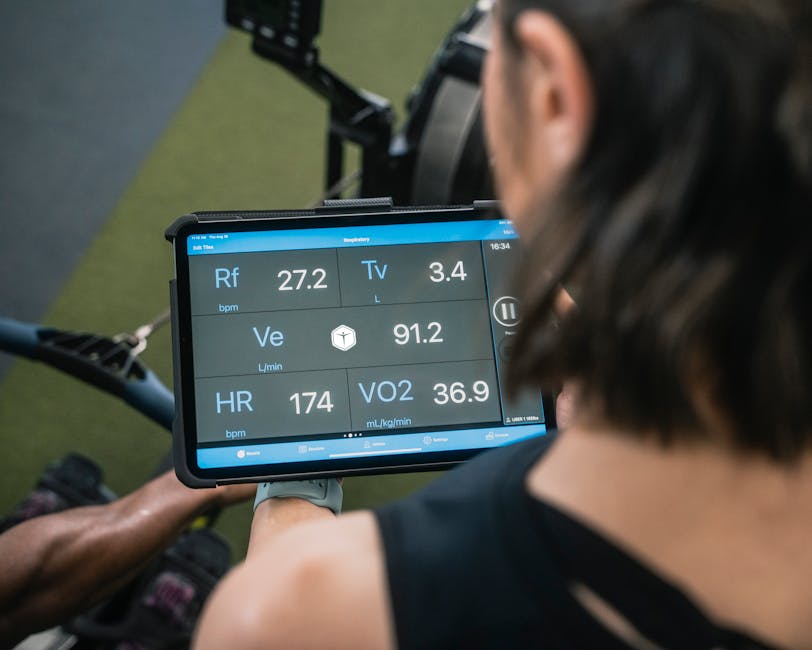
Every session generates a detailed breakdown: volume per muscle group, average rep velocity, time under tension, and a weekly trend graph. The app’s dashboard is clean and genuinely informative without being overwhelming. Integration with Apple Health and Google Fit works reliably, which is a basic requirement that some competitors still manage to botch. The historical data view becomes genuinely motivating once you have a few months of sessions stacked up.
How Braxe Compares
| Feature | Braxe | Tonal | Tempo Move |
|---|---|---|---|
| AI Form Correction | ✅ | ✅ | ✅ |
| Motorised Resistance | ✅ | ✅ | ❌ |
| Adaptive Programming | ✅ | ✅ | ✅ |
| UK Shipping & Support | ✅ | ❌ | ✅ |
| Silent Operation | ✅ | ✅ | ❌ |
| Apple Health / Google Fit | ✅ | ✅ | ✅ |
| No Monthly Subscription Required | ❌ | ❌ | ❌ |
| Compact Footprint | ✅ | ✅ | ✅ |
Pros and Cons
✅ Pros
- AI form correction is genuinely useful and accurate
- Silent motorised resistance — ideal for flats and shared homes
- Adaptive programming that responds to real performance data
- Clean, intuitive app with strong session analytics
- Reliable Apple Health and Google Fit integration
- European-based support — responsive in our testing
- Compact hardware that doesn’t dominate a room
❌ Cons
- Premium price point — significant upfront hardware cost
- Ongoing subscription required to unlock full AI features
- Upper resistance limit may frustrate advanced strength athletes
- Form correction occasionally over-cautious or poorly calibrated
- Limited free content without active subscription
Pricing
Braxe operates on a hardware-plus-subscription model, which is now standard in this category but worth understanding fully before you commit. The headline hardware cost covers the connected resistance unit itself, and a monthly or annual subscription unlocks the full AI coaching suite, adaptive programming, and live analytics.
Based on our research at time of testing, Braxe pricing breaks down roughly as follows:
| Tier | What’s Included | Cost (approx.) |
|---|---|---|
| Hardware | Connected resistance machine, cables, mount | Premium one-off cost |
| Basic App | Core tracking, limited programme library | Included with hardware |
| Monthly Subscription | Full AI coaching, adaptive plans, analytics | Monthly fee (check site for current rate) |
| Annual Subscription | Same as monthly but billed annually (saving) | Annual fee — typically lower per month |
Prices shift with promotions, so we always recommend checking the current offer directly. A free trial is typically available for new customers.
Who Is Braxe Best For?
Perfect For:
- Home gym owners who train without a coach — the AI form correction genuinely fills the feedback gap that solo training creates.
- Busy professionals with limited gym time — structured, adaptive sessions mean you’re never guessing what to do or wasting reps on unproductive work.
- Flat or apartment dwellers — the silent electromagnetic resistance is a genuine differentiator if you have noise-sensitive neighbours or share walls.
- Those returning from injury — the form correction and controlled resistance progression make it a sensible environment for careful reintroduction to strength training (always consult a physio first).
- Data-driven fitness enthusiasts — if you love tracking, the session analytics and progress dashboards will keep you engaged and informed.
Not Ideal For:
- Budget-conscious buyers — the hardware cost plus ongoing subscription is a meaningful financial commitment. There are cheaper ways to get fit.
- Advanced powerlifters or competitive strength athletes — the resistance ceiling and exercise variety won’t replicate a fully equipped commercial gym.
- Those who prefer group or class-based training — Braxe is fundamentally a solo training experience. If community motivation drives you, look elsewhere.
- People who prefer training outdoors or with minimal technology — the system’s value is entirely tied to its connected features. Without engagement with the platform, it becomes an expensive cable machine.
Our Verdict
After 90 days with Braxe, our honest conclusion is this: it’s one of the most genuinely useful pieces of home fitness technology we’ve tested. The AI coaching doesn’t feel like a gimmick — it actively changed how our tester moved and progressed. The adaptive programming is sophisticated, the hardware is premium, and the app is polished enough to actually use every day without frustration.
The caveats are real though. The price is significant, the subscription model adds ongoing cost, and very strong lifters will hit the ceiling. But for the target audience — a motivated home trainer who wants intelligent coaching without a PT — Braxe delivers on most of its promises. It’s not perfect, but it’s impressively close.
| Category | Score |
|---|---|
| Value for Money | 7.5 / 10 |
| Features | 9.0 / 10 |
| Ease of Use | 8.5 / 10 |
| UK Availability | 8.0 / 10 |
| Overall | 8.2 / 10 |
Get Started with Braxe Today →
Frequently Asked Questions
Is Braxe available in the UK?
Yes, Braxe ships to the UK and offers European-based customer support. The hardware is compatible with UK electrical standards. Delivery timelines vary, so it’s worth checking the current estimated lead time on the Braxe website before ordering, particularly if you have a specific start date in mind.
Do you need a subscription to use Braxe?
You can use Braxe’s basic tracking features without a subscription once you own the hardware. However, the full AI coaching suite — including adaptive programming, real-time form correction, and detailed session analytics — requires an active monthly or annual subscription. Most of Braxe’s core value proposition sits behind that subscription layer.
How does Braxe’s AI form correction work?
Braxe uses a combination of your device’s camera for pose estimation and the machine’s built-in resistance sensors to analyse your movement in real time. The system checks joint angles, bar path, tempo, and range of motion against biomechanical benchmarks, then delivers on-screen visual overlays and audio cues when it detects deviations that could indicate poor form or injury risk.
Is Braxe suitable for beginners?
Braxe is well-suited to beginners who are serious about getting results. The onboarding process includes a fitness assessment, and the AI coaching is arguably more valuable for newer trainees than experienced ones, since it instils good movement habits early. That said, the price point may be hard to justify if you’re not yet sure that strength training will stick as a habit.
How does Braxe compare to Tonal?
Both Braxe and Tonal use motorised electromagnetic resistance with AI coaching. Tonal is a wall-mounted unit with a large integrated screen and a well-established content library, though it currently has limited direct UK availability. Braxe offers a more accessible UK purchase and support experience and competes closely on features, making it the more practical choice for most British buyers at present.
Still Not Sure? Compare Your Options:
- Tempo Review: 7 Things Nobody Tells You — our deep dive into Braxe’s closest rival for UK home gym buyers
- I Used Brute Force Training for 90 Days — Here’s the Brutal Truth — if you want smart programming without the hardware investment
- MacroFactor Review: Is This Nutrition App Worth It? — because your training is only half the picture